 by
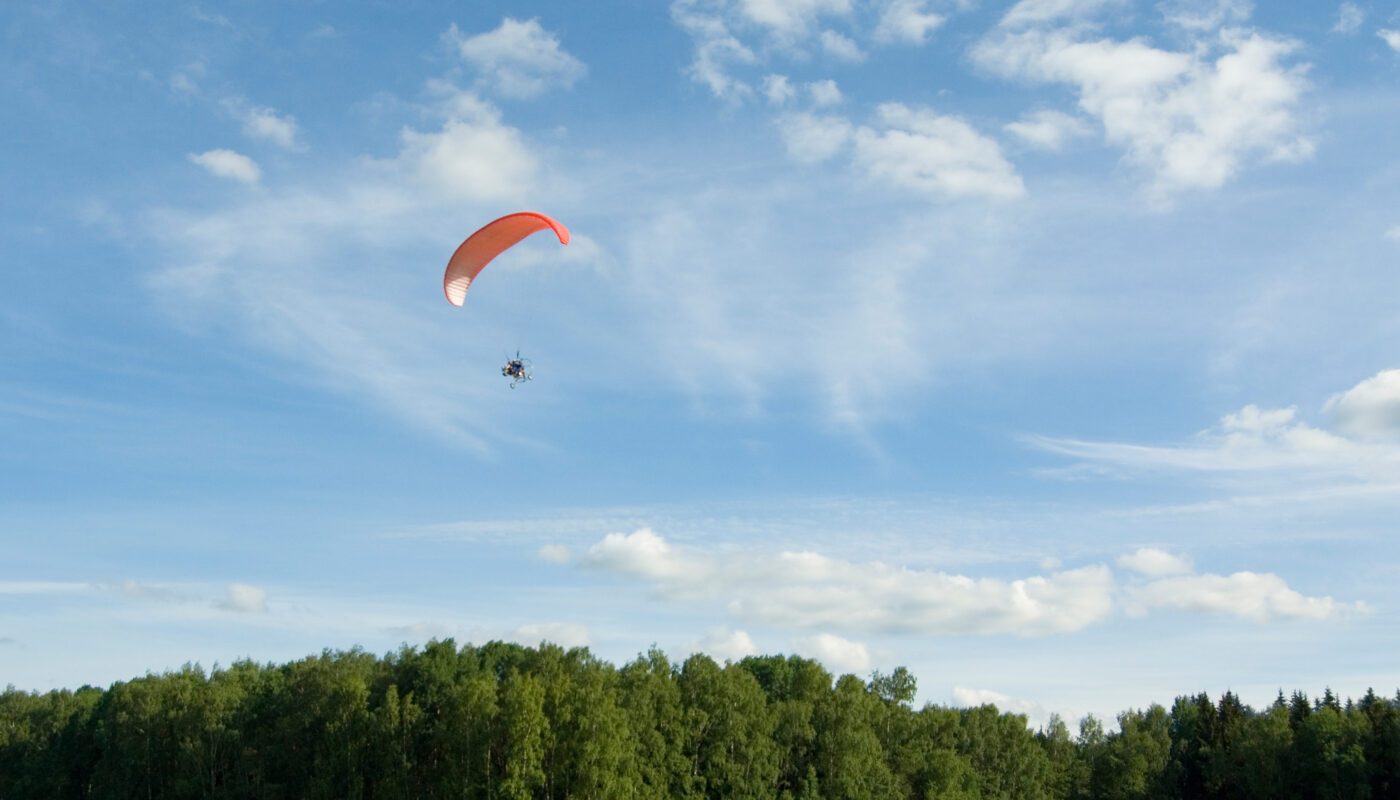
by Imagine launching yourself off a steep mountainside, suspended beneath a wing of fabric, and floating gently above towering cliffs that plunge into deep blue water. Below you, fjords stretch like silver ribbons, cut by ancient glaciers and framed by verdant mountains. The sun sparkles on the waves. Seabirds wheel past.
This is the allure of paragliding over fjords — an experience that combines the serenity of flight with some of the most dramatic scenery on Earth. But while the idea of soaring above fjords like Norway’s Sognefjord or New Zealand’s Milford Sound sounds irresistible to adventurers, it raises two big questions: Is it safe? And is it worth it?
In this guide, we’ll break down everything you need to know: the thrill and beauty of fjord paragliding, the safety landscape, what to expect, and how to decide whether it’s right for you. Whether you’re a first-time flyer or an experienced paraglider exploring a stunning new setting, you’ll find practical insights and honest perspectives here.
Why Paragliding Over Fjords Is So Appealing
Fjords are among the most dramatic landscapes on the planet — deep water inlets flanked by soaring rock faces, carved by glaciers over millennia. They provide a natural stage for aerial adventure because:
- Vertical relief is extreme: Mountains rise sharply from sea level, creating ideal launch sites.
- Thermals and ridge lift: The interplay between rock faces, sun-heated slopes, and cool fjord waters can generate stable lift — a key ingredient for enjoyable paragliding.
- Unbeatable vistas: From above, fjords reveal patterns and perspectives that can’t be seen from land or sea.
Paragliding adds an active dimension to fjord travel: instead of watching landscapes from a boat or vantage point, you become part of the panorama, riding currents above water and rock alike.
Where Paragliding Over Fjords Happens
While paragliding over fjords isn’t available everywhere, several regions have become renowned for it because of favorable topography and wind conditions:
1. Norway
Norway’s fjord coast — especially around Sognefjord, Aurlandsfjord, and Lysefjord — attracts experienced paragliders who seek breathtaking launch points and long flights over deep water.
2. New Zealand
The fiords of Milford Sound and Doubtful Sound on the South Island’s southwest coast offer dramatic cliffs, rugged wilderness, and soaring mountain peaks. Paragliding here is often paired with heli-launch operations due to dense forests and steep terrain.
3. Alaska (USA)
Coastal fjords like those around Seward and Kenai Fjords National Park provide another dramatic, colder climate version of fjord flying, with glaciers and wildlife often visible below.
4. Chilean Patagonia
Fjords here intertwine with sprawling wilderness and towering peaks, making for remote and spectacular flying, though logistics can be more complex.
Each of these regions has its own microclimates, wind patterns, and logistical challenges — but all share the defining feature of steep relief adjacent to deep water, ideal for scenic flights.
Is It Safe? Understanding the Risks and Mitigations
“Is it safe?” is the most crucial query for anyone thinking about paragliding over fjords.The honest answer is that it can be safe, but it depends on conditions, preparation, and who you fly with. Let’s break down the key safety factors.
1. Weather and Wind Conditions
Fjords are shaped by steep cliffs and deep water, which affect wind patterns. Conditions can change rapidly due to:
- Thermal activity: Warm air rising off slopes
- Sea breezes: Air moving from fjord waters inland
- Mountain influences: Channeling and swirling winds around peaks
These can create unpredictable lift or turbulence — hazards for less experienced pilots.
Safety Tip: Don’t fly in unstable weather, gusty winds, or when cloud builds rapidly. Always check forecasts specially designed for mountain flying.
2. Experience Level
Paragliding over fjords is not a beginner activity. It’s best suited to pilots with:
- Strong skills in ridge lift and thermal flying
- Experience in variable wind conditions
- Comfort with water proximity and potential emergency procedures
Beginners should only fly tandem with certified instructors who know local conditions and safety protocols.
3. Equipment and Gear
High-quality, well-maintained gear is crucial. This includes:
- Certified paragliding wing suited for mountain flying
- Reserve parachute
- Radio for communication
- GPS/vario instruments to monitor lift and altitude
- Proper harness with back protection
In many fjord regions, additional equipment may be recommended, such as wetsuits or flotation devices if landing on water is possible.
4. Launch and Landing Zones
Fjord topography often means:
- Steep launch zones: Requiring precise control and confidence
- Limited landing options near water: Especially if cliff faces restrict approach paths
Experienced pilots often use larger landing zones back in valleys or coordinate with local pilots familiar with safe approaches.
5. Professional Instruction and Local Knowledge
Perhaps the single most important safety factor is flying with local pilots and certified instructors who understand:
- Seasonal wind patterns
- Microclimates unique to that fjord
- Safe launch and landing logistics
- Emergency protocols
This dramatically reduces risk and enhances overall enjoyment.
Tandem Paragliding: A Safer Way to Experience Fjord Views
If you’re not a paraglider yourself but want the experience, tandem paragliding is a fantastic and much safer option. You fly with an experienced pilot who:
- Handles launch and landing
- Reads the wind and terrain
- Controls the wing in lift and descent
Tandem flights over fjords offer secure access to aerial views without needing advanced skills. It’s especially ideal for:
- First-time flyers
- Travelers focused on sightseeing
- People who want a memorable but guided experience
Many operators provide photo or video options so you can capture your flight without trying to juggle a camera.
Is It Worth It? Weighing the Experience
So let’s answer the core question: Is paragliding over fjords worth the risk? For many travelers and pilots, the answer is an emphatic yes — but with important qualifiers.
Why It’s Worth It
1. Unparalleled Views
Paragliding offers visuals you can’t get from boats or hiking:
- Towering cliff faces from above
- Ocean and fjord inlet patterns stretching to the horizon
- Fjord valleys framed by mountain ridges
This perspective is unique and transformative for many participants.
2. A Deep Sense of Freedom
Floating above fjords carries a sense of weightless exploration — a feeling of harmony with wind and landscape that’s hard to match in other adventure activities.
3. Physical and Mental Engagement
Unlike passive sightseeing, paragliding requires focus, body control, and real engagement with environment patterns. This can be deeply satisfying — like a conversation with nature rather than just viewing it.
4. Photographic Opportunities
From above, light and landscape interplay in dramatic ways. Photographers who master shooting during flight capture one-of-a-kind imagery of fjord terrain.
Considerations Before Committing
Despite the attraction, it’s not for everyone:
- Cost: Professional tandem flights and gear rentals add up.
- Nervous flyers: Heights and release from ground take courage.
- Travel logistics: Fjord paragliding often requires advance booking and weather flexibility.
- Physical conditions: You need decent physical coordination and comfort with altitude.
So “worth it” isn’t a universal verdict — it depends on your appetite for airborne adventure, risk tolerance, and travel goals.
What to Expect on a Fjord Paragliding Experience
Here’s a sample idea of what a day might look like:
Morning — Weather Check and Briefing
Professionals monitor wind and stability early in the day. You’ll receive:
- Safety instructions
- Equipment fitting
- Overview of the flight plan
Late Morning — Travel to Launch Site
Depending on the region, this might involve:
- A short hike to a cliff launch point
- A vehicle ride to an elevated plateau
- A helicopter lift (in remote or terrain-challenging areas)
Flight Time — 10–30 Minutes (approx.)
Actual flight durations vary with wind conditions and pilot plans. You may:
- Soar above water
- Glide alongside cliffs
- Circle in thermals for height
Landing and Debrief
After landing, pilots will debrief participants, often sharing insights about air conditions and terrain that shaped the flight.
Choosing a Reputable Paragliding Operator
Selecting a trusted provider is fundamental to safety and experience quality. Look for operators who offer:
- Certified pilots with local expertise
- Well-maintained gear
- Weather-dependent scheduling (safety first)
- Comprehensive safety briefings
- Clear communication and insurance options
Local tourism boards or adventure centers often vet operators, making them good starting points for booking.
Fjord Paragliding and the Environment
Flying with respect for nature means:
- Minimizing disturbance to wildlife
- Following local regulations
- Avoiding littering and respecting launch and landing zones
Fjord ecosystems are fragile — views and experiences are best enjoyed when they are preserved.
Final Verdict: Safe and Worth It — With Precautions
Paragliding over fjords is by no means an everyday thrill — and that’s part of its appeal. It’s a captivating and memorable adventure, offering perspectives and sensations that are equally exhilarating and humbling. But true safety lies in:
- Choosing professional guidance
- Waiting for appropriate conditions
- Understanding your own abilities
- Learning about local weather and wind behavior
When these elements align — and you fly with the right mindset — the experience can be both safe and supremely worth it.
So if your travel goals include merging breathtaking landscapes with active engagement and emotional thrill, paragliding over fjords is an experience that transcends ordinary sightseeing: it’s an invitation to see the world from a new altitude — literally and figuratively.