 by
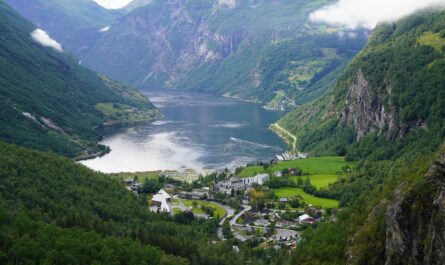
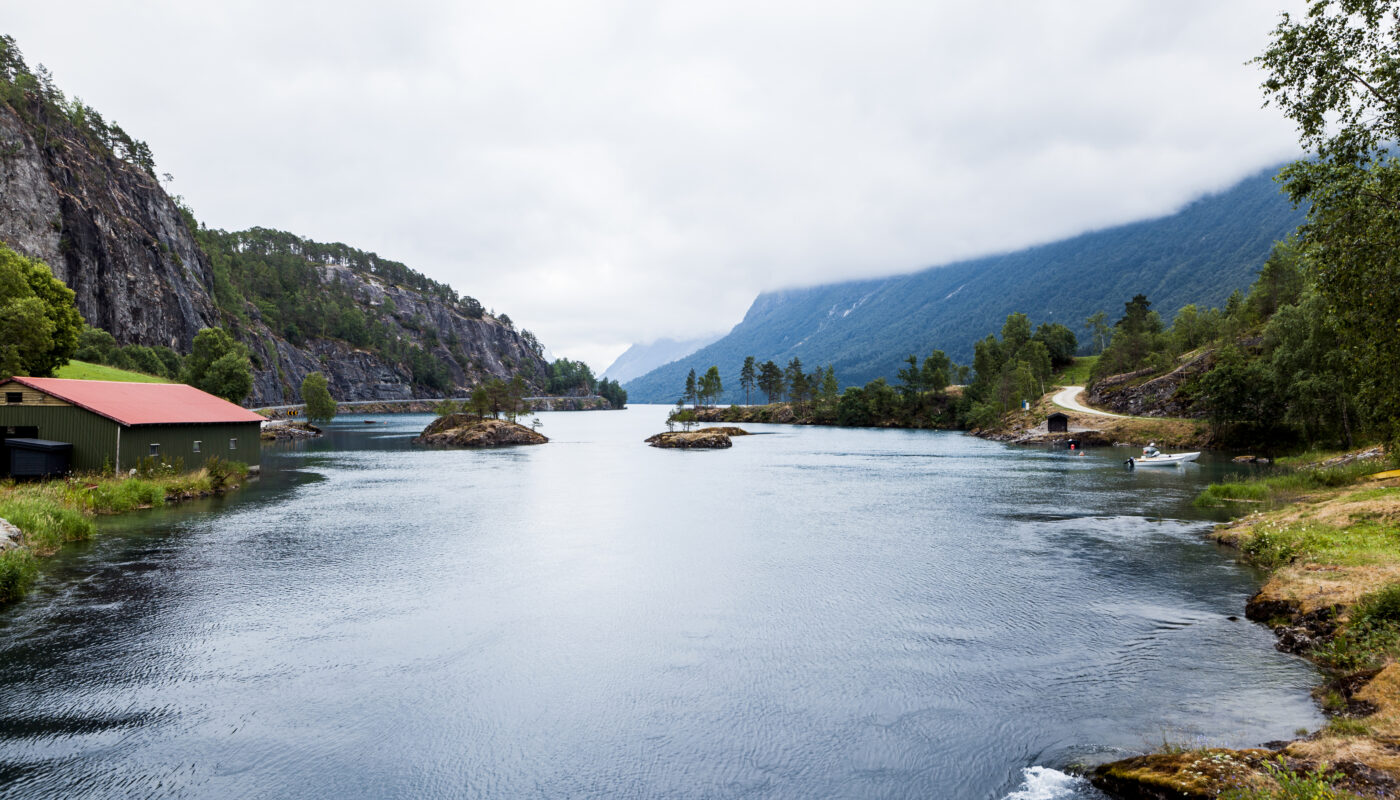
by Norway’s fjords look like something out of a fantasy film — steep cliffs plunging into glassy water, waterfalls spilling down rock walls, and tiny villages tucked into valleys carved by ice thousands of years ago. But right after the awe comes a common concern: Isn’t Norway outrageously expensive?
It’s true that Norway has a reputation for high prices. A quick glance at restaurant menus or hotel listings in popular fjord towns can make budget travelers nervous. Yet the surprising truth is this: the very things that make Norway spectacular are often free. If you shift your travel style from luxury-focused to nature-focused, a fjord trip becomes far more affordable than people expect.
Let’s break down how you can realistically experience Norway’s fjords without draining your savings.
Why Norway Feels Expensive at First Glance
Norway’s higher wages, strong labor standards, and remote geography all influence costs. Imported goods, restaurant service, and transportation can be pricey compared to many European countries. Tourist hotspots like Flåm, Geiranger, or central Bergen often reflect those higher costs in accommodation and tours.
However, fjord travel doesn’t have to revolve around hotel stays and packaged excursions. Unlike theme-park-style destinations, Norway’s main attraction is the landscape itself — and that part is accessible to everyone.
The Secret to Budget Travel in the Fjords: Think Like a Local
Norwegians are deeply connected to the outdoors. Hiking, cabin stays, and simple meals in nature are normal here. When travelers adopt that same mindset, costs drop dramatically.
Instead of thinking:
“What tours should I book?”
Think:
“Which public roads, trails, and viewpoints are available to me?”
That shift changes everything.
Accommodation: Your Biggest Lever for Savings
Lodging can be the largest expense, but also the easiest to control.
1. Camping
Norway’s outdoor access traditions allow people to camp on uncultivated land as long as they respect nature and keep distance from homes. This means you can pitch a tent near lakes, forests, or fjord viewpoints without paying hotel rates. Many travelers find this not only cheaper, but more magical than staying in a building.
2. Cabins (Hytter)
Small wooden cabins, often found at campgrounds or in rural areas, are far cheaper than hotels. They’re cozy, simple, and often surrounded by incredible scenery.
3. Hostels and Guesthouses
Cities like Bergen and towns along fjord routes have hostels and family-run guesthouses. Shared kitchens help cut food costs too.
4. Staying Outside Major Tourist Hubs
A small village a bus ride away from a famous fjord may charge far less than the “Instagram-famous” town next door.
Food: How to Avoid Norway’s Price Shock
Eating out every day is what breaks budgets. Groceries, however, are manageable.
Smart Food Strategies
- Shop at supermarkets instead of cafés
- Prepare breakfast and lunch yourself
- Carry snacks on hikes
- Refill a water bottle instead of buying drinks
Picnicking beside a fjord, waterfall, or mountain lake is not just cheaper — it’s a better dining view than any restaurant.
Transport: Scenic Doesn’t Have to Mean Expensive
Norway’s transport network is efficient and well-organized, and many of its most scenic journeys double as everyday routes.
Trains
The rail line connecting Oslo and Bergen crosses mountains, rivers, and valleys — a sightseeing journey disguised as regular transport.
Local Ferries
Many fjords are crossed by public ferries used by locals. They often provide dramatic fjord views for the cost of a normal ticket, unlike high-priced sightseeing cruises.
Buses
Rural bus routes connect villages and hiking areas. Booking early often lowers prices.
Car Sharing
If you do rent a car, splitting costs with travel companions makes remote fjord access affordable.
Activities That Cost Nothing (But Feel Priceless)
This is where Norway shines for budget travelers.
Hiking
From gentle shoreline walks to dramatic cliff-top routes, fjord areas offer countless marked trails.
Waterfalls
Many of Norway’s most impressive waterfalls sit right beside roads or trails, requiring no entry fee.
Viewpoints
Panoramic viewpoints overlooking fjords often involve just a short walk.
Swimming and Nature Time
On warm days, locals swim in lakes and fjords. Nature is treated as a shared resource, not a ticketed attraction.
When to Travel for Lower Costs
Summer is popular, but prices and crowds rise. Late spring and early autumn often provide:
- Lower accommodation rates
- Fewer tourists
- Beautiful lighting and scenery
Weather can be variable, but fjords are stunning in mist and changing light too.
Sample 3-Day Budget Fjord Plan
Day 1: Bergen Base
Explore historic streets, walk up nearby hills, and enjoy harbor views. Overnight in hostel or cabin.
Day 2: Ferry + Village Stay
Take a public ferry into a fjord branch. Walk local trails and camp or stay in a simple cabin.
Day 3: Hiking Day
Choose a scenic trail leading to a viewpoint over the fjord. Return by bus or ferry.
This kind of trip focuses on scenery, movement, and atmosphere rather than paid attractions.
What You Skip — And Why That’s Okay
Budget travel might mean:
- No luxury fjord cruise
- Fewer restaurant meals
- Simpler rooms
But you still get:
- The same cliffs
- The same waterfalls
- The same dramatic landscapes
Nature doesn’t charge extra.
Is It Worth Doing the Fjords on a Budget?
Absolutely. In fact, many travelers say the simpler approach feels more authentic. Walking trails, cooking your own food, and sleeping close to nature bring you closer to the landscape that makes Norway special in the first place.
The fjords aren’t just for luxury travelers. They’re for hikers, campers, and explorers too.
Final Verdict
Norway’s fjords can be expensive — but they don’t have to be. If your goal is comfort and convenience, you’ll pay more. If your goal is scenery, fresh air, and outdoor adventure, you can build an unforgettable fjord experience on a modest budget.