 by
by Scandinavia’s fjords are some of the most breathtaking natural landscapes in the world, and summer transforms them into a vibrant, lively spectacle. The midnight sun’s golden rays illuminate towering cliffs, tumbling waterfalls, emerald valleys, and tranquil streams, providing both tourists and photographers with an experience they won’t soon forget. Summer is also the peak season, attracting tourists from all over the globe eager to witness this Nordic paradise at its most vibrant.
In this article, we explore the allure of summer fjords, the unique natural phenomena that occur during this season, practical tips for visiting, and the experiences that make this time of year the best to explore these majestic landscapes.
The Allure of Fjords in Summer
Fjords are deep, narrow inlets carved by glaciers during the last Ice Age. Norway, in particular, is renowned for its fjords, including Geirangerfjord, Nærøyfjord, and Sognefjord — the longest in the world. While fjords are impressive year-round, summer offers a combination of accessibility, natural beauty, and favorable weather that winter and spring cannot match.
During summer, temperatures are mild, ranging from 15°C to 25°C (59°F to 77°F), and days stretch to remarkable lengths in the north. The warmer weather opens up hiking trails, boat tours, and other outdoor activities, making it easier for visitors to explore both the water and the surrounding mountains.
The Midnight Sun: A Natural Phenomenon
One of the most extraordinary experiences of summer in the fjords is the midnight sun. Above the Arctic Circle, the sun does not set for weeks, bathing the landscape in continuous golden light. This unique phenomenon occurs roughly from late May to late July and provides both natural beauty and extended daylight hours for adventure.
The midnight sun creates opportunities for late-night photography, sunlit kayaking, and overnight hiking trips where the surreal light enhances every scenic view. The soft, continuous sunlight also allows travelers to experience fjord landscapes in a way that is almost magical, with long shadows, glowing waterfalls, and illuminated cliffs that seem to defy the ordinary.
Green Valleys and Flourishing Flora
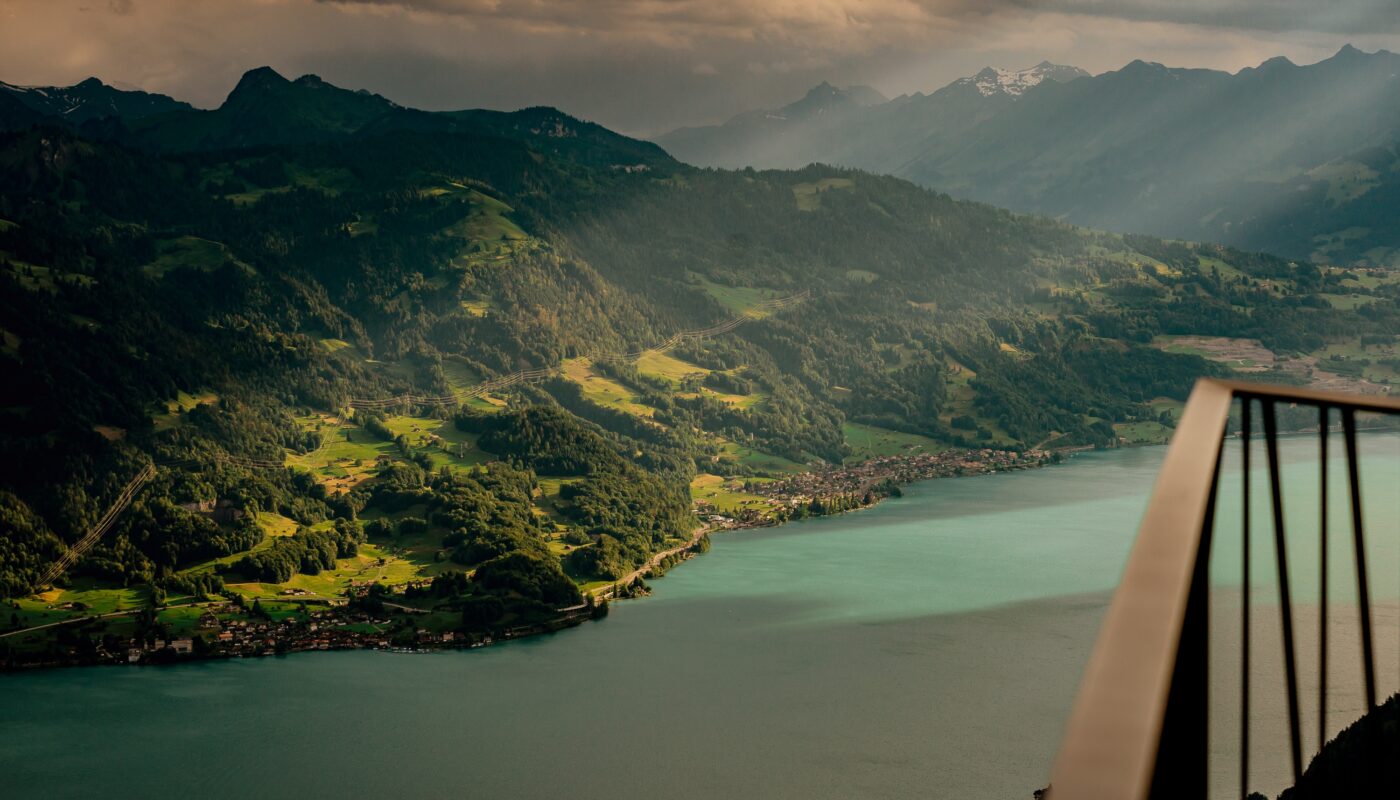
Summer is when fjord valleys come alive. The deep cuts left by glaciers now host lush greenery, meadows filled with wildflowers, and forests of pine and birch. Waterfalls cascade down steep cliffs with a steady flow fueled by melted snow from the mountains. Pastures dotted with traditional Norwegian farmhouses add charm to the dramatic landscape.
Hiking trails often lead through these verdant valleys, providing panoramic views of fjords surrounded by vibrant greenery. Popular routes like the Trolltunga hike or trails around Lysefjord reveal a combination of fjord views, alpine flora, and waterfalls that are only at their peak in the summer months.
Water Adventures in Summer
Fjords are water-based landscapes, and summer is the perfect season to take advantage of this. Calm seas and mild weather make boating, kayaking, and paddleboarding accessible and enjoyable. Visitors can float past tall cliffs, waterfalls, and small communities tucked away along the shoreline on fjord tours.
Kayaking through fjords is especially popular in summer. The longer daylight hours give adventurers time to explore narrow channels, hidden inlets, and tranquil bays without rushing. Wildlife such as seals, porpoises, and seabirds can often be seen close to the water, creating memorable encounters for nature lovers.
Peak Season Tourism: Pros and Cons
Summer is the busiest time in the fjords. Tourists flock from across the globe, which has both advantages and drawbacks:
- Pros:
- All attractions, hotels, and guided tours are fully operational.
- Optimal weather allows for outdoor activities and long hikes.
- Vibrant local culture, festivals, and markets are in full swing.
- Cons:
- Crowds at popular viewpoints, fjord cruises, and hiking trails.
- Higher prices for accommodations and transport.
- Some areas may feel congested, especially near major tourist hubs like Flåm or Bergen.
Travelers seeking a balance between the full summer experience and quieter exploration often visit in early June or late August, when daylight is still long, but crowds are smaller.
Cultural Experiences in the Fjords
Summer in the fjords is not only about nature; it is also about immersing oneself in local Norwegian culture. Small fjord-side villages host summer festivals, craft markets, and food fairs. Traditional cuisine, such as fresh salmon, reindeer dishes, and local cheeses, can be sampled at local restaurants or even during farm visits.
Fjord communities often celebrate summer with music festivals, outdoor theater performances, and historical reenactments. These cultural experiences provide insight into how fjord landscapes have shaped local life for centuries, blending natural beauty with human heritage.
Wildlife Encounters
Summer offers some of the best opportunities for observing wildlife in fjord regions. While the fjords are largely tranquil, they are teeming with life:
- Seabirds such as puffins, seagulls, and cormorants are abundant.
- Marine mammals including seals, porpoises, and even whales can often be spotted during boat excursions.
- Fjord valleys and surrounding hills may host moose, reindeer, and Arctic foxes, providing memorable sightings for hikers and photographers.
The combination of extended daylight and accessible habitats means wildlife encounters are easier in summer than in colder seasons when animals are less active or harder to spot.
Planning a Summer Fjord Trip
To make the most of the fjords in summer, careful planning is essential:
- Book Accommodations Early: Peak season fills lodges, hotels, and guesthouses quickly. Consider staying in smaller towns to experience authentic local life and avoid congestion.
- Plan for Transport: Ferries and boats connecting fjord towns may sell out in advance. Reserve seats on fjord cruises or public ferries ahead of time.
- Pack for Variable Weather: Even in summer, fjords can experience sudden rain or wind. Layers, waterproof clothing, and sturdy hiking shoes are recommended.
- Consider Guided Tours: Knowledgeable guides provide insight into the geology, history, and wildlife of the fjords, enhancing the overall experience.
- Choose Hikes Wisely: Trails like Preikestolen (Pulpit Rock), Trolltunga, and Aurlandsdalen Valley are iconic, but less crowded alternatives also offer stunning views without the tourist rush.
Photography and the Midnight Sun Advantage
Summer is the ideal season for capturing the fjords on camera. The extended light of the midnight sun allows photographers to shoot late into the night, capturing reflections, glimmering waterfalls, and dramatic cliff faces in unique lighting. Early morning and late evening light can create magical contrasts, making fjord photography especially rewarding in summer.
Drone photography has also become popular, offering aerial perspectives of fjords that reveal their depth, scale, and lush summer greenery. However, visitors should always follow local regulations and respect wildlife when flying drones in sensitive areas.
Sustainable Travel in Fjords
With peak season comes the responsibility to travel sustainably. Fjord regions are ecologically sensitive, and summer crowds can strain resources:
- Stick to marked hiking trails to prevent erosion.
- Avoid feeding wildlife.
- Minimize waste and take all litter with you.
- Use eco-friendly transport options, like electric ferries, bicycles, or public buses.
- Support local businesses to ensure tourism benefits local communities without overburdening ecosystems.
Sustainable practices help preserve the fjords’ natural beauty for future generations while allowing visitors to enjoy the region responsibly.
Conclusion: Why Summer is the Ultimate Fjord Season
Summer in the fjords combines natural beauty, accessibility, and cultural richness. The midnight sun casts a golden glow over verdant valleys, while cascading waterfalls and wildlife encounters bring the landscapes to life. Although peak season brings larger crowds, careful planning and sustainable travel can help visitors fully enjoy the fjords’ offerings.
Whether you are hiking cliffside trails, kayaking through serene waters, photographing dramatic landscapes, or experiencing local culture, summer provides a once-in-a-lifetime opportunity to experience fjords at their most vibrant. The combination of long days, warm weather, and flourishing nature ensures that fjords in summer are not just destinations—they are experiences to remember forever.