 by
by Photography is about seeing the world, but breathtaking landscapes like fjords demand more than just a good eye — they require the right gear, strategy, and preparation. With towering cliff faces, deep waterways, dramatic skies, and ever‑changing light conditions, fjord landscapes present both a stunning and challenging subject for photographers. Whether you’re visiting Norway’s iconic fjords, New Zealand’s misty sounds, Greenland’s ice‑carved waterways, or Chile’s fjord‑lined coast, understanding the best camera gear for fjord photography can be the difference between a snapshot and a masterpiece.
This article explores essential gear, companion accessories, and practical tips — all designed to help you elevate your fjord photography and consistently capture images worthy of printing, exhibiting, or sharing.
1. Camera Body: The Foundation of Great Fjord Photography
The key component of your system is the camera body. While stunning fjord images can be made with almost any modern camera, certain features make the process easier and the results stronger.
Full‑Frame Mirrorless Cameras
Full‑frame sensor cameras deliver greater dynamic range, better low‑light performance, and richer colors — all crucial for dramatic landscapes.
Why They Work Well for Fjords:
- Higher dynamic range to capture deep shadows and bright skies
- Better detail retention in highlights and shadows
- Improved high‑ISO performance for golden hour and twilight shots
Recommended Features
Regardless of brand, look for:
- High megapixel resolution for large prints and cropping flexibility
- Good weather sealing for unpredictable fjord weather
- Fast and accurate autofocus for landscape and moving water/moon shots
Mirrorless systems (e.g., Sony, Canon, Nikon, Fujifilm) are ideal, but advanced DSLRs can also deliver excellent results.
2. Lenses: The Most Critical Gear for Fjord Landscapes
While the camera body captures light, your lens shapes the image. Fjord landscapes demand both wide angles to capture expansive scenes and telephoto options to isolate distant peaks or cascading waterfalls.
A. Wide‑Angle Lens – Capture the Vastness
Focal Length: ~14mm to 35mm
Wide‑angle lenses allow you to:
- Take in towering cliffs and wide water expanses
- Include foreground elements for depth
- Create dramatic landscape compositions
📸 Why It’s Essential:
Fjords are defined by grandeur. A wide‑angle lens helps you show scale, pulling distant peaks and nearby rock formations into a single frame.
Best Choices:
- Ultra‑wide zoom (e.g., 16‑35mm)
- Prime wide lens (e.g., 24mm or 20mm)
B. Standard Zoom Lens – Versatile and Reliable
Focal Length: ~24mm to 70mm
Standard zooms provide flexibility for:
- Landscape
- Portrait landscapes
- Detail shots of rock textures or boats
📸 Why It’s Great:
If you could only bring one lens, a 24‑70mm is often the best all‑around choice — especially useful when hiking or limited baggage space is a concern.
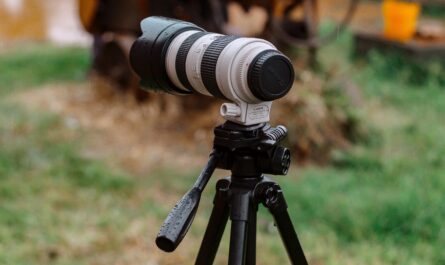
C. Telephoto Lens – Isolate and Dramatic Details
Focal Length: ~70mm to 200mm (or more)
Telephoto lenses let you:
- Capture mountain peaks from a distance
- Isolate waterfalls and shoreline details
- Compress perspective for unique compositions
📸 Why It Matters:
Fjords often have dramatic layers — deep waters, cliffs, ice, and clouds. A telephoto lens lets you slice through those layers for compelling images.
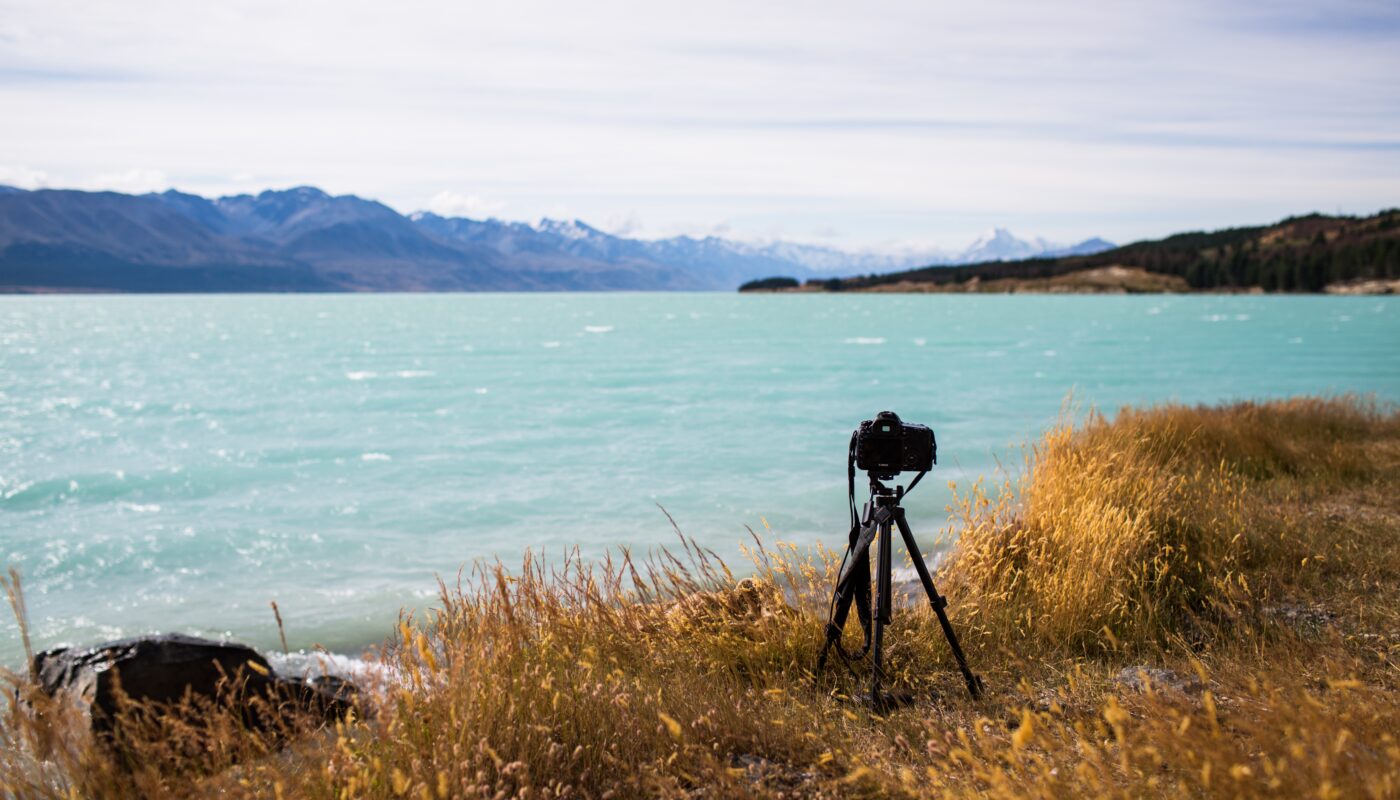
3. Tripod: Your Secret Weapon for Sharpness and Creativity
A sturdy tripod is arguably the most underestimated piece of camera gear for fjord landscapes.
When You’ll Use It
- Golden hour and blue hour shooting
- Long exposures to smooth waterfalls and water surfaces
- Panoramas
- Low‑light and astrophotography
What to Look For
- Lightweight yet stable (carbon fiber ideal)
- Adjustable center column for variable heights
- Leg locks that grip securely even in wind
🎯 Key Tip:
Fjords can be windy — a tripod that shakes can ruin an exposure. Choose a model with solid stability for long exposures.
4. Filters: Shape the Light, Control the Scene
Filters are sometimes overlooked, but they can dramatically improve your fjord photography.
A. Circular Polarizer (CPL)
Purpose:
Reduces reflections from water and wet rock, deepens skies, and boosts color saturation.
When to Use:
- Shooting near water or reflective surfaces
- Midday light
- When skies lack contrast
📸 Instant Impact: Polarizers can make blues deeper and greens richer — crucial for dramatic fjord landscapes.
B. ND (Neutral Density) Filters
Purpose:
Allow long exposures in bright light without overexposure.
Use Cases:
- Smoothing water and waterfalls
- Creating motion blur in clouds
- Conveying movement and atmosphere
C. Graduated ND Filters
Purpose:
Balance bright skies with darker foregrounds — essential during sunrise and sunset.
Why It Matters:
Fjords often have high contrast between sky and water — grads help you retain detail in both.
5. Memory Cards and Power: Don’t Get Caught Short
Long fjord shoots under changing light can fill memory cards quickly — and batteries drain faster in cold, damp climates.
Memory Cards
- Carry multiple high‑capacity UHS‑II or UHS‑I cards
- Fast write speeds help with burst shots and high‑res files
Extra Batteries
- Cold weather reduces battery life
- Bring at least 2–3 extras
📍 Pro Tip: Store spare batteries near your body or in an insulated pocket to prolong life.
6. Protective Gear: For Weather That Changes Fast
Fjord weather is notoriously unpredictable — so your gear needs protection.
Weather Sealing
- A weather‑sealed camera and lens will resist moisture and spray
Rain Covers & Bags
- Lightweight rain covers protect against rain, spray, and fog
- Dry bags help protect gear during boat rides
📸 Fjord photography often involves water, spray, mist, and rapid weather shifts — protect your investments.
7. Specialized Accessories for Landscape Mastery
To elevate your fjord photography, consider these specialized tools:
A. Remote Shutter Release
- Prevents camera shake during long exposures
- Essential for sharp waterfall and water reflections
B. Bubble Level
- Ensures horizon is perfectly straight — especially vital on water scenes
C. Lens Cleaning Kit
- Fjords = water droplets, mist, and spray
- Keep microfibers, lens pens, and blower brushes handy
8. Optional Gear: When You Want to Create Signature Shots
A. Drone
Aerial perspectives of fjords reveal patterns and shapes unseen from ground level.
Use With Caution:
- Respect local regulations
- Avoid disturbing wildlife
Drone Tips for Fjords:
- Shoot during golden hour
- Use ND filters for cinematic motion
- Capture overhead panoramas and ridge lines
B. Teleconverter
Great if you need extended reach for distant cliffs or shoreline details — but beware:
- Loss of light
- Potential decrease in autofocus speed
Use only if weight and convenience aren’t issues.
9. Composition Techniques — Gear Is Just the Beginning
Great gear gives you tools — but vision and technique make the image.
Here are compositional tips tailored for fjord landscapes:
Rule of Thirds
Place horizons or focal points off‑center to enhance balance and viewer flow.
Foreground Interest
Include rocks, logs, grasses, or reflections to add depth and dimension.
Leading Lines
Fjord water, shorelines, and waterfalls naturally lead the eye — use them to connect foreground to background.
Golden Hour & Blue Hour
- Golden Hour: Warm, soft light adds dimension
- Blue Hour: Deep tones and calm reflections create mood
Long Exposures
Use ND filters to create silky water textures and slow‑moving cloud streaks.
10. Workflow & Image Protection
Post‑capture planning matters too.
Backup Strategy
- Store images on multiple cards
- Bring a portable SSD or laptop for field backups
RAW Format
Always shoot in RAW to retain maximum detail and expand editing flexibility.
11. Sample Fjord Photo Gear Setup — Real‑World Examples
Here are setups for different kinds of fjord trips:
Traveler Kit (Light & Flexible)
- Mirrorless body (24–36MP)
- 24‑70mm lens
- Travel tripod
- Polarizer + ND
- Extra batteries & cards
Landscape Enthusiast Kit
- Full‑frame body
- 16‑35mm wide lens
- 70‑200mm tele
- Strong tripod
- Filters + remote release
Adventure Pro Kit
- Dual bodies (wide + tele mounted)
- Drone
- Backup drives
- Waterproof gear & dry bags
12. Practical Shooting Tips for the Fjords
Scout Locations Early
Arrive before sunrise for soft light and fewer tourists.
Watch the Weather
Fjords change rapidly — use apps and local forecasts.
Respect Nature & Regulations
Avoid trampling fragile ecosystems — leave no trace.
Experiment & Explore
Don’t be afraid to break rules — sometimes unconventional angles make the best images.
Conclusion: Capture the Magic of Fjord Landscapes
Fjord photography is an extraordinary and rewarding challenge — one that blends natural beauty with technical skill. With the right camera body, lenses, filters, tripod, and accessories, plus thoughtful preparation and creative vision, you can transform epic landscapes into stunning photographs.
The gear detailed here covers a wide range — from essential basics to advanced tools for ambitious shooters. Whether your goal is dramatic wide‑angle vistas, intimate detail shots, cinematic long exposures, or aerial perspectives, investing in the right equipment prepares you to capture fjords at their most unforgettable.
So pack thoughtfully, respect nature, master your tools, and let the magnificent fjords inspire your best work yet. 🌍📸