 by
by Coastlines around the world are filled with dramatic waterways, from narrow channels threading between mountains to wide expanses of sea embraced by rugged cliffs. Among the most fascinating of these coastal formations are fjords, inlets, and sounds. While these terms are often used interchangeably in casual conversation, each describes a distinct geological and hydrological feature. Understanding the differences can enrich your appreciation of coastal landscapes, whether you’re planning a trip to Norway, New Zealand, or the Pacific Northwest, or simply curious about how Earth’s water shapes the land.
In this article, we’ll explore the formation, characteristics, and examples of fjords, inlets, and sounds, highlighting how each is unique while also sharing similarities that make them awe-inspiring features of our planet’s coastlines.
1. Understanding Fjords
A. Definition and Formation
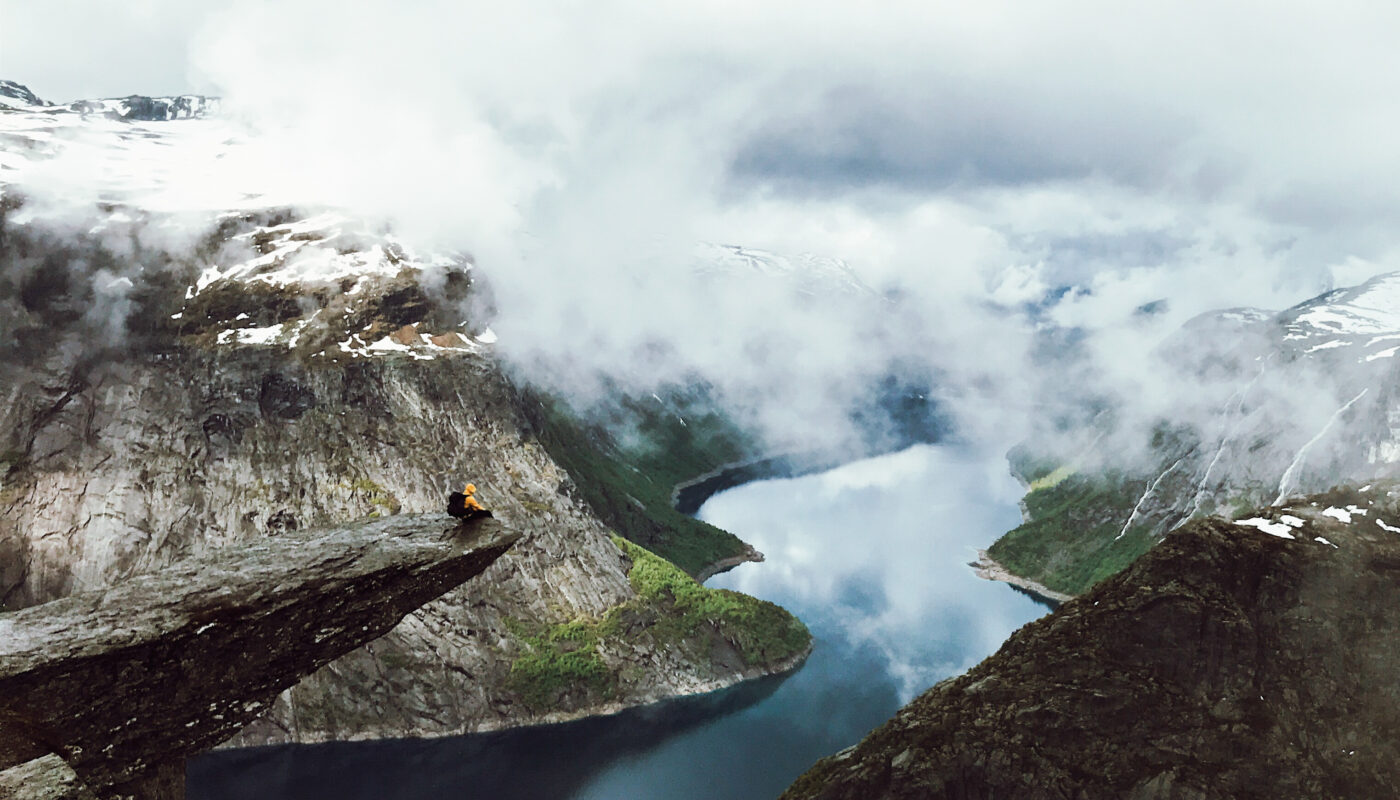
A fjord is a long, narrow, deep body of water that stretches inland from the sea, typically flanked by steep cliffs or mountains. Fjords are primarily glacially carved valleys, formed during ice ages when glaciers advanced toward the ocean, gouging deep valleys into the bedrock. As glaciers retreated, sea water filled these valleys, creating the striking landscapes we see today.
Key characteristics of fjords include:
- Steep, often vertical cliffs on either side
- A deep basin, often much deeper than the adjacent sea
- U-shaped valleys reflecting glacial erosion
- Typically long and narrow, sometimes extending dozens of miles inland
B. Examples Around the World
- Norwegian Fjords: Norway is world-famous for its fjords, such as Geirangerfjord and Sognefjord, showcasing dramatic cliffs and cascading waterfalls.
- New Zealand: Milford Sound is technically a fjord, carved by glaciers, though it is locally called a “sound.”
- Chilean Fjords: Patagonia features fjords that penetrate deep into the Southern Andes, including the Aisén Fjord region.
C. Ecological Importance
Fjords often serve as critical habitats for marine life. Their deep basins and cold waters support unique ecosystems, including:
- Cold-water fish and crustaceans
- Seasonal migratory birds
- Seals and whales that follow nutrient-rich waters
Additionally, fjords act as natural carbon sinks, trapping organic matter in deep layers.
2. Inlets: A More General Term
A. Definition and Formation
An inlet is a broader term describing any narrow waterway that connects a larger body of water (such as an ocean or lake) with an inner bay, lagoon, or estuary. Inlets can form through several processes:
- Tectonic Activity: Land subsidence creates channels for water to flow inland.
- Glacial Carving: Some inlets are remnants of smaller glacial valleys.
- River Erosion and Sediment Deposition: Rivers may carve channels into coastlines, forming inlets.
Unlike fjords, inlets do not necessarily have steep cliffs or deep waters. They vary widely in size, depth, and shape.
B. Types of Inlets
- Coastal Inlets: Channels connecting the sea with bays or lagoons, common along barrier island systems.
- Tidal Inlets: Narrow openings affected strongly by tidal currents, often shifting over time.
- River Inlets: Where a river mouth widens as it enters the ocean, sometimes forming estuarine inlets.
C. Examples Around the World
- Chesapeake Bay Inlets (USA): Numerous channels connect the bay with the Atlantic Ocean, including the famous Chesapeake Bay Inlet system.
- British Columbia Coast (Canada): Many inlets, such as Jervis Inlet, are long and fjord-like but are classified as inlets due to local terminology.
- European Coastlines: The North Sea and Baltic Sea coasts have small inlets used historically for fishing and trade.
D. Ecological and Economic Significance
Inlets are often rich in biodiversity, supporting estuarine habitats where salt and freshwater mix. They also serve as:
- Sheltered harbors for ships
- Fishing grounds
- Launching points for tourism and recreation
3. Sounds: Channels with a Unique Identity
A. Definition and Formation
A sound is a large sea or ocean inlet, often wider than a fjord, that can be formed in several ways:
- Glacial Activity: Similar to fjords, though sounds tend to be broader and shallower.
- Tectonic Activity: Long submerged valleys created by faulting.
- Flooded River Valleys: Sometimes a sound is a drowned river valley (also called a ría).
Sounds are typically wider than fjords and often separate islands from the mainland or connect larger bodies of water. Their depth can vary widely, but the defining characteristic is their expansive, open waterway.
B. Examples Around the World
- Puget Sound (USA): Located in Washington State, it is a complex system of interconnected marine waterways and basins.
- Milford Sound (New Zealand): Despite its name, this is technically a fjord. Historical naming conventions sometimes create confusion between fjords and sounds.
- The Sound of Mull (Scotland): A broad channel separating the Isle of Mull from mainland Scotland.
C. Navigational and Ecological Importance
Sounds often serve as major maritime corridors due to their size and navigability. They also:
- Support complex tidal systems
- Provide habitats for diverse marine species
- Offer natural protection against storms for coastal communities
4. Key Differences Between Fjords, Inlets, and Sounds
Understanding the distinctions can be summarized in the following table:
| Feature | Fjord | Inlet | Sound |
|---|---|---|---|
| Formation | Glacial carving | Various: tidal, river, tectonic | Broad glacial, tectonic, or drowned river valleys |
| Depth | Usually very deep | Shallow to moderate | Variable; can be shallow or deep |
| Width | Narrow | Varies | Broad |
| Surrounding Terrain | Steep cliffs, U-shaped valleys | Gentle to steep, varies | Often islands or mainland flanks |
| Typical Examples | Sognefjord (Norway), Milford Sound (NZ) | Jervis Inlet (Canada), Chesapeake Bay Inlets (USA) | Puget Sound (USA), The Sound of Mull (Scotland) |
Summary of Differences:
- Fjords are narrow, deep, and glacially carved.
- Inlets are broad and general, can be shallow or deep, and include tidal and river channels.
- Sounds are wide, often navigable, and can separate islands from the mainland.
5. Overlaps and Confusions
Terminology is sometimes inconsistent due to history, language, or local convention:
- Milford Sound: Despite the name, it is technically a fjord.
- Norwegian “sund”: In Norway, the term for sound often overlaps with fjords.
- Coastal Inlets Named Fjords: In British Columbia and Alaska, local naming often calls long, glacially carved inlets “fjords,” even if they differ from classic Scandinavian fjords.
Understanding geological formation is essential to distinguish them scientifically.
6. Visiting Fjords, Inlets, and Sounds
A. Fjord Tourism
Fjords often provide dramatic scenery for tourists. Popular activities include:
- Cruise tours to admire waterfalls and cliffs
- Kayaking through narrow channels
- Hiking trails along fjord edges for panoramic views
B. Exploring Inlets
Inlets are often less dramatic but rich in wildlife and cultural history:
- Birdwatching in estuarine inlets
- Fishing and boating
- Historical exploration of trade and shipping routes
C. Navigating Sounds
Sounds are ideal for larger vessels and offer diverse recreational opportunities:
- Ferry crossings and sightseeing cruises
- Sailing between islands
- Studying complex tidal and marine ecosystems
7. The Science Behind Coastal Formations
Understanding fjords, inlets, and sounds requires insights from geology and oceanography:
- Glacial Geology: Fjords and some sounds formed when glaciers scoured valleys deep into bedrock.
- Tectonics: Some inlets and sounds follow fault lines or subsidence zones.
- Sea-Level Changes: Rising sea levels often flooded glacial valleys, creating modern fjords and sounds.
- Sediment Transport: Rivers deposit sediments in inlets, creating estuarine environments over time.
8. Why the Differences Matter
Knowing the distinctions is not just academic:
- Ecological Management: Proper classification affects conservation strategies. Fjords may need protection against sedimentation, while sounds may focus on navigation and fisheries management.
- Tourism Planning: Travel agencies can better promote experiences based on terrain and waterway type.
- Scientific Research: Oceanographers, geologists, and climate scientists study fjords, inlets, and sounds to understand glacial history, sedimentation patterns, and tidal dynamics.
Conclusion
While fjords, inlets, and sounds may all appear as narrow waterways stretching inland, their geological origins, physical characteristics, and ecological roles differ significantly. Fjords are deep, glacially carved valleys with steep cliffs. Inlets are more general, including tidal and river connections to the sea. Sounds are broad, navigable channels, often separating islands from the mainland.
Recognizing these differences enriches the way we experience coastal landscapes, whether exploring Norway’s dramatic fjords, kayaking along British Columbia’s inlets, or sailing through the Pacific Northwest’s Puget Sound. Each waterway tells a unique story of ice, rock, and time — inviting us to explore, understand, and preserve the remarkable complexity of Earth’s coasts.