 by
by For travelers fascinated by rugged coastlines, fjords, northern lights, midnight sun, and remote settlements, few journeys capture the imagination like the Hurtigruten coastal voyage. Touted as one of the world’s great sea routes, it stretches along Norway’s wild and beautiful western edge, offering a blend of nature, culture, and maritime history unique to the Arctic and sub-Arctic.
But with evolving travel preferences and a range of alternative experiences available, many people ask: Is the Hurtigruten coastal route actually worth it? In this guide, we’ll explore everything from what the journey really entails to the experiences it offers, how it compares with other travel options, who it’s best suited for, and what you should consider before booking.
Whether you’re a seasoned adventurer, a cruise skeptic, or a curious bucket-list seeker, this article will equip you with all the context you need to make an informed decision.
What Is the Hurtigruten Coastal Route? A Brief Overview
The Hurtigruten coastal voyage is not a conventional cruise. It’s also not merely a ferry service. Instead, it is a hybrid coastal voyage that functions as both local transport and adventure travel.
Founded in 1893, Hurtigruten’s coastal service was originally established to connect remote Norwegian ports with cargo, mail, and passengers. Today, the service operates modern ships that continue this tradition while incorporating tourism-oriented experiences.
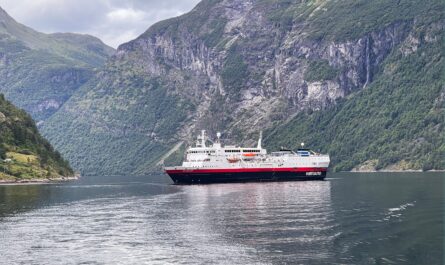
The classic Hurtigruten route runs between Bergen in the south and Kirkenes in the far north, covering approximately 2,500 nautical miles (4,630 km) and stopping at more than 30 ports along the Norwegian coastline. It’s often called “The World’s Most Beautiful Voyage.”
What’s Unique About Hurtigruten? Not a Typical Cruise
Unlike conventional cruise ships that follow fixed, tourist-oriented itineraries, the Hurtigruten vessels still operate as functional coastal transport. That means:
- Frequent port calls — often daily and sometimes multiple times per day
- Short stops — designed for passengers and cargo alike
- Local passengers — residents of coastal towns often board/disembark
- Less emphasis on onboard entertainment — and more on scenery and local culture
Rather than focusing on stage shows, themed nights, or casino entertainment, the Hurtigruten experience centers on connection to place — the rugged seas, remote communities, and the rhythms of life along the Norwegian coast.
Scenery: The Heart of the Journey
One of the major reasons travelers choose Hurtigruten is the landscape. The voyage traverses some of the most dramatic coastal scenery in Europe, including:
1. Hardangerfjord and Sognefjord
These fjords dwarf even many of the famed Norwegian inlets, with towering cliffs and hidden waterfalls.
2. Lofoten Archipelago
A cluster of islands above the Arctic Circle known for emerald waters, red fishing huts (rorbuer), and jagged peaks rising from the sea.
3. Northern Lights and Midnight Sun
Depending on the season, passengers may witness the aurora borealis in autumn and winter or the midnight sun in summer when daylight lasts all night.
4. Arctic Tundra and Snow-Draped Peaks
Especially in the northern stretches near Tromsø and Kirkenes, the landscape shifts from intense fjord valleys to wide coastal plains and snow-covered mountains.
What makes this scenery unique is not just its beauty but its constant change — fjords, islands, open sea, fishing villages, lighthouses, and Arctic landscapes unfold gradually over days.
Experiences and Activities: What You Actually Do Aboard
Critically, to determine whether the route is worth it, you need to understand what you do on the trip.
Port Stops and Shore Excursions
Unlike typical cruises that stay docked for long afternoon tours, Hurtigruten’s stops vary from a few minutes to several hours. Depending on your itinerary, you can explore:
- Historic whaling towns
- Coastal culture museums
- Sami indigenous sites
- Small fishing villages
- Arctic wildlife excursions
Some ports offer guided excursions (often at extra cost), while others are small enough that exploring on foot reveals local life.
Onboard Experiences
Hurtigruten ships are more modest in entertainment than big cruise liners, but they focus on:
- Lecture programs on local history, culture, and sea life
- Informal gatherings in lounges
- Spectacular scenic watching from observation lounges or open decks
- Wildlife spotting, from sea birds to whales and seals
If you’re seeking onboard performances or nightlife, this is not the right trip. But if you’re drawn to nature, photography, and slow travel, it’s ideal.
Seasonal Highlights
- Winter: Northern lights, snow-covered landscapes, polar nights
- Spring: Thawing fjords, migrating birds
- Summer: Midnight sun, green valleys, calmer seas
- Autumn: Crisp colors, fewer tourists, northern light opportunities
Each season offers a distinct atmosphere.
Comfort and Amenities: What to Expect on Hurtigruten Ships
You won’t find Broadway shows or roller coasters here, but you will find thoughtful design focused on comfort and connection to place.
Cabins
- Ranges from simple outside view cabins to premium suites
- Many cabins have ocean-facing windows or balconies
- Interior design is simple yet comfortable
Dining
- Breakfast, lunch, and dinner are included in most fare options
- Meals often emphasize local ingredients and Nordic cuisine
- Some ships have premium restaurants for additional cost
Public Spaces
- Observation lounges with panoramic views
- Outdoor decks for fresh air and photography
- Lecture spaces and libraries
The experience is understated but elegant — akin to a classic sea voyage with modern amenities.
Pros of the Hurtigruten Coastal Route
To assess “worth,” it’s helpful to look at what people value most about the experience.
1. Unmatched Scenery
Few travel experiences offer constant coastal drama — cliffs, fjords, islands, ocean plains, Arctic tundra — all in one trip.
2. Cultural Immersion
Because the ships stop at working ports used by locals, passengers can witness authentic Norweigan coastal life rather than a commodified tourist version.
3. Seasonal Natural Phenomena
Chasing the northern lights or experiencing the midnight sun aboard a ship offers a perspective few other trips can match.
4. Slow Travel Experience
In a travel world that often favors rapid checkpoints and photo ops, Hurtigruten invites you to linger — to savor transitions, travel days, and the gentle rhythm of the sea.
5. Flexibility
You can sail the entire route or choose shorter segments, allowing integration with other travel plans in Norway.
Cons and Considerations
Of course, not all travelers will love Hurtigruten — and knowing this helps you make a savvy decision.
1. Not a Traditional Cruise
If your ideal vacation involves structured entertainment and big-ship amenities, Hurtigruten might feel too low on onboard activity.
2. Weather-Dependent Views
Open sea and high winds can affect visibility and comfort — especially in winter. Seasickness can be a consideration for some travelers.
3. Cost Can Be High
While not always more expensive than luxury cruises, Hurtigruten fares can be steep — especially if you add excursions, premium cabins, or shoulder-season travel.
4. Port Stop Duration
Certain stops can be brief — sometimes just long enough to disembark and quickly explore — which may feel rushed compared to guided tour itineraries.
Who Benefits Most from the Hurtigruten Experience?
The value of the trip often depends on traveler interests.
Best Suited For:
- Nature lovers
- Photography enthusiasts
- Slow-travel advocates
- People chasing northern lights or midnight sun
- Travelers interested in culture, history, and remote communities
Less Ideal For:
- Travelers seeking theme parks, nightlife, or extensive entertainment at sea
- People who get seasick easily
- Those on a tight budget for whom flights + short tours might be more cost-effective
Season Matters: When to Go and Why
The season you choose radically alters the experience — both in weather and activities.
Winter (Nov–Mar)
- Best for northern lights and polar scenery
- Long nights, possible harsh weather
- Shorter daylight hours
Spring (Apr–May)
- Migration season for birds
- Melting snow, emerging greens
- Fewer crowds
Summer (Jun–Aug)
- Midnight sun, long daylight
- Calm seas in many areas
- Vibrant coastal life
Autumn (Sep–Oct)
- Crisp colors and cooler air
- Fewer tourists
- Northern lights possible earlier than winter
Each season has trade-offs. Winter offers spectacular lighting and calm harbor scenes, while summer provides more outdoor activity and wildlife spotting.
Comparing Hurtigruten With Other Ways to Explore Norway
When evaluating worth, consider alternatives.
1. Road Trips
Norway’s scenic roads — including the Atlantic Road and fjord routes — offer autonomy and pace control. However, they lack the maritime perspective and integrated coastal culture Hurtigruten provides.
2. Short Fjord Cruises
Shorter fjord cruises (e.g., Sognefjord or Geirangerfjord day trips) offer focused scenic experiences but lack the cultural depth and geographic sweep of a full Hurtigruten voyage.
3. Train Travel
Iconic rail routes like the Flåm Railway offer dramatic views and heritage experiences, but, again, are land-based and far less extensive than a coastal voyage.
Cost and Value: What You’re Really Paying For
For many, the question isn’t just whether Hurtigruten is affordable — it’s whether it’s worth it. Value is derived from:
- Scenic diversity over many days
- Cultural nuance in multiple ports
- Natural phenomena opportunities (aurora, midnight sun)
- Comfortable albeit understated accommodations
- The feeling of a true maritime journey
While there are less costly ways to see fjords and coastal Norway, few deliver the continuity of place and time that a full coastal voyage creates.
Tips for Maximizing Your Hurtigruten Experience
If you do choose to sail, these tips help ensure the richest experience:
1. Book Seasonal Experiences Early
Northern lights in winter and midnight sun cruises in summer are popular — early booking secures better cabins and flexibility.
2. Bring Good Gear
Warm clothing, camera gear, and layered outfits will make outdoor deck time more rewarding.
3. Mix Scheduled Excursions With Independent Exploration
Some ports are best experienced with local guides, while others reward wandering on foot.
4. Embrace Slow Days
One of the joys of Hurtigruten is unstructured time. Bring books, journals, or simply enjoy watching the seascape drift by.
Conclusion: Is the Hurtigruten Coastal Route Worth It?
For many travelers, the Hurtigruten coastal voyage is worth it — not because it’s the fastest or flashiest way to see Norway — but because it offers a deeply immersive, continuously evolving coastal narrative unlike any other.
It’s a journey where:
- Landscapes unfold gradually
- Culture and nature intersect
- Arctic phenomena become accessible
- The sea becomes the central storyteller
If you value immersive travel, authentic ports, and changing scenery that feels cinematic at every turn, then the Hurtigruten coastal route delivers a travel experience that resonates long after you’ve stepped back on land.
For those seeking traditional cruise entertainment or short, fast-paced sightseeing, alternative options may be a better fit.
In the end, worth is personal — but for travelers seeking a great journey, not just a trip, the Hurtigruten coastal route remains one of the world’s most unforgettable travel experiences.