 by
by Norway’s fjords are not only celebrated for their dramatic landscapes and serene beauty but also for the adrenaline-fueled adventures they offer. Towering cliffs, deep waters, and vast mountainous terrain create the perfect playground for thrill-seekers. Among the most extreme activities in the region, base jumping has emerged as the ultimate test of courage, skill, and precision. Alongside cliff diving, rock climbing, and paragliding, base jumping epitomizes the extreme-sports culture thriving within Norway’s iconic fjords.
This comprehensive guide explores the history, logistics, safety, and culture surrounding base jumping and other extreme sports in Norway’s fjords, while offering practical tips for those eager to experience heart-pounding adventure in one of the world’s most stunning natural landscapes.
Norway’s Fjords: A Natural Playground for Extreme Sports
Norway’s fjords, carved over millennia by glaciers, offer vertical cliffs, deep waters, and rugged terrain. Famous fjords like Nærøyfjord, Lysefjord, and Geirangerfjord provide the perfect environment for thrill-seeking activities. These landscapes combine natural beauty with adventure potential in ways few other locations can.
Key Features of Fjords That Attract Extreme Athletes:
- Sheer Cliffs and Vertical Drops – Many fjords feature cliffs rising 700–1,000 meters above sea level, ideal for base jumping and rock climbing.
- Deep Glacial Waters – The fjords’ deep waters create relatively safe landing zones for certain water-based extreme sports like cliff diving.
- Variable Weather Conditions – The fjord region experiences rapidly changing weather, demanding high adaptability from athletes.
- Accessibility – While remote in appearance, many fjords are accessible via ferries, hiking trails, and small local airports, allowing adventurers to transport gear efficiently.
The combination of height, depth, and breathtaking vistas makes the fjords an unparalleled destination for extreme sports enthusiasts.
Base Jumping in Norway: History and Popular Spots
Base jumping is the act of leaping from fixed objects—such as cliffs, buildings, or antennas—with a parachute. In Norway, the sport has gained international recognition for the dramatic locations and challenging conditions.
Historical Background
Norwegian fjords have been a hub for base jumping since the 1980s, particularly in Lysefjord, home to the legendary Kjerag cliff. Base jumpers are drawn to Kjerag’s vertical drop of 1,000 meters, offering one of the most iconic jumps in the world. Over the decades, Norway has become a pilgrimage site for seasoned jumpers seeking extreme landscapes and challenging conditions.
Most Famous Base Jumping Locations
- Kjerag, Lysefjord – Arguably the most famous base jumping site in Norway, Kjerag is synonymous with extreme sports culture. Its sheer cliff and controlled drop offer both risk and exhilaration.
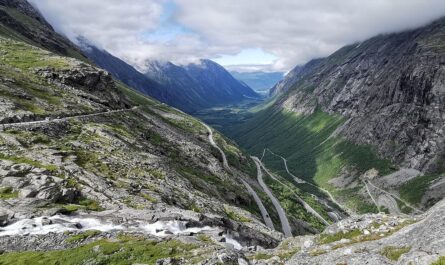
- Troll Wall (Trollveggen), Romsdalen Valley – The tallest vertical rock face in Europe, standing at 1,100 meters. renowned for its difficult rock climbing routes and leaps.
- Herdla Cliffs, Western Norway – Coastal cliffs that provide dramatic ocean views, perfect for tandem jumps and experienced solo jumpers.
- Hornelen Cliff – One of the highest sea cliffs in Europe, offering base jumpers a thrilling vertical experience over the fjord below.
These locations attract an international community of thrill-seekers, who gather annually for jumps, competitions, and extreme sports festivals.
Extreme Sports Beyond Base Jumping
Norway’s fjords offer a spectrum of extreme sports for those who crave adventure, including:
1. Rock Climbing and Alpine Climbing
The fjords’ vertical rock faces make them ideal for both traditional and sport climbing. Climbers often combine multi-pitch climbs with overnight alpine expeditions, exploring remote peaks and cliff edges accessible only by challenging hikes or ferries.
2. Paragliding and Hang Gliding
High ridges and stable wind patterns allow paragliders to soar over fjords, enjoying panoramic aerial views of mountains, forests, and waters below. Tandem paragliding is popular for visitors seeking adrenaline without extensive training.
3. Cliff Diving and Water Jumps
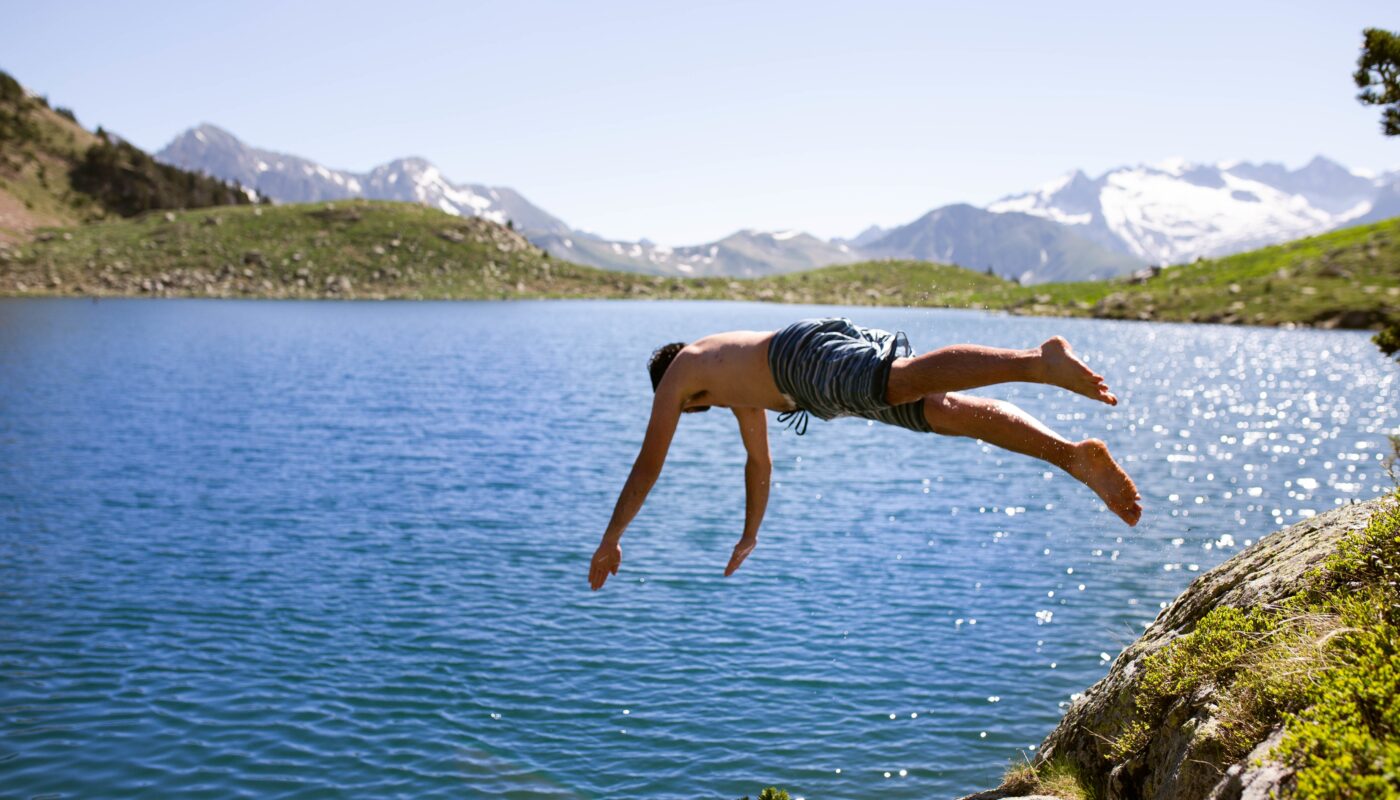
Some fjord cliffs offer safe water landing zones for cliff divers, though participants must carefully assess tides, water depth, and temperature. Specialized wetsuits or drysuits are needed for dives during the winter or shoulder seasons.
4. White-Water Kayaking
Rapids appropriate for beginner to advanced kayaking can be found in the rivers and inlets that connect fjords. Combining fjord exploration with adrenaline-filled white-water descents provides a unique way to engage with the landscape.
5. Winter Extreme Sports
During the colder months, fjord landscapes are transformed for ski mountaineering, ice climbing, and snowboarding. Frozen waterfalls, snow-packed ridges, and glacial terrains add layers of challenge for experienced athletes.
Safety in Extreme Sports: A Crucial Priority
Extreme sports in fjord regions are inherently risky. Understanding the landscape, weather conditions, and equipment is critical for minimizing dangers.
Safety Guidelines for Base Jumpers and Extreme Athletes
- Training and Experience – Base jumping is not beginner-friendly. Aspiring jumpers should complete advanced parachuting courses before attempting fjord jumps.
- Weather Assessment – Winds, fog, and precipitation can drastically affect jump safety. Only jump when conditions are stable and visibility is high.
- Equipment Checks – Parachutes, harnesses, helmets, and radios must be meticulously inspected before each jump.
- Local Regulations – Many fjord sites are within protected areas. Jumpers must secure permissions and follow local safety rules.
- Emergency Preparedness –Keep first aid supplies and communication equipment on hand, and be familiar with evacuation routes. Fjord cliffs are remote, and immediate help may not be available.
Even for experienced jumpers, respecting the mountains and waters of Norway is essential to avoid accidents.
Logistics and Planning for Fjord-Based Adventures
Accommodation and Access
Many extreme sports enthusiasts choose fjord-side lodges or mountain cabins. Popular areas include Lysefjord, Romsdalen, and Geirangerfjord, where accommodations cater to climbers, kayakers, and jumpers alike.
Fjord adventures typically involve:
- Ferries and boat transfers – To access remote cliffs or water-based jumps.
- Hiking or helicopter lifts – Certain jump points require strenuous hikes or aerial transportation.
- Seasonal planning – Most base jumps are safest in summer, when days are long, temperatures moderate, and weather is predictable.
Guided Experiences vs. Solo Expeditions
While seasoned athletes often go solo, guided services provide:
- Expert knowledge of fjord geography
- Safety oversight and rescue protocols
- Equipment rentals and tandem options
Guided jumps are recommended for those unfamiliar with Norwegian fjord conditions.
Environmental Considerations
Norway’s fjords are fragile ecosystems. Extreme sports participants must prioritize sustainability to preserve these landscapes.
- Leave No Trace – Avoid littering or disturbing wildlife.
- Respect Protected Areas – Some fjords are UNESCO World Heritage Sites or national parks.
- Minimize Water Impact – Avoid contaminating lakes, rivers, and fjord waters with fuels, oils, or trash.
- Local Support – Engage local guides and service providers to support sustainable tourism practices.
Preserving the fjords ensures that future generations can continue to enjoy extreme adventures in a pristine environment.
The Culture of Extreme Sports in Norwegian Fjords
Extreme sports enthusiasts form a tight-knit international community in Norway. Festivals, competitions, and meetups foster a sense of camaraderie. Annual base-jumping gatherings in Lysefjord attract jumpers from around the world, combining technical training, social networking, and celebration of alpine culture.
This culture emphasizes respect for the mountains, environmental awareness, and mastery of skills — traits essential for long-term engagement with extreme sports.
Preparing Yourself Physically and Mentally
Extreme sports in fjords require peak physical and mental conditioning:
- Strength and Endurance – Essential for climbing, hiking to launch points, or controlling jumps.
- Technical Skills – Mastery of ropes, parachutes, skis, or kayaks is critical.
- Mental Resilience – Fjord heights, rapid drops, and cold temperatures test courage and focus.
- Situational Awareness – Understanding wind patterns, water currents, and rock stability can save lives.
Training programs, outdoor courses, and mental conditioning exercises are recommended before attempting fjord-based extreme sports.
Why Norway’s Fjords Are a Unique Adventure Destination
No other European landscape combines vertical cliffs, deep waters, and sprawling mountain ranges in such a dramatic way. Base jumping here is more than a thrill — it is an immersion into a natural masterpiece. Every jump, climb, or glide offers:
- Panoramic vistas of glaciers, peaks, and fjord waters
- Adrenaline-inducing vertical drops and high-speed descents
- Connection with a global community of adventure athletes
- Opportunities to test skill, courage, and precision in world-class environments
The fjords’ natural beauty, combined with extreme sports infrastructure and culture, makes Norway a premier destination for thrill-seekers worldwide.
Conclusion: Embracing the Fjords Safely and Responsibly
Base jumping and extreme sports in Norway’s fjords represent the pinnacle of adventure tourism. The region challenges athletes to balance courage, skill, and respect for nature. While the experiences are thrilling, safety, environmental responsibility, and preparation are essential.
From the iconic cliffs of Lysefjord and Troll Wall to paragliding over Geirangerfjord, Norway offers experiences that few other places in the world can match. By combining physical preparation, technical expertise, and ecological mindfulness, adventurers can embrace the fjords’ extreme beauty while ensuring these natural wonders remain protected for generations to come.
Whether you are a seasoned base jumper, an aspiring extreme sports athlete, or an adventure tourist seeking breathtaking experiences, Norway’s fjords deliver unparalleled opportunities for adrenaline, awe, and deep connection with nature.