 by
by Few landscapes capture the imagination like the fjords of Norway. Towering cliffs rise sharply from mirror-like waters, waterfalls cascade from dizzying heights, and tiny villages cling to rocky shores. While fjords are stunning year-round, autumn brings a unique, almost magical transformation. The season paints the landscape in rich hues, softens tourist crowds, and offers travelers a serene intimacy with nature that summer cannot match.
Visiting the fjords in autumn is an experience of colors, silence, and what many call the “shoulder season magic.” This article explores why autumn is a remarkable time to experience fjord landscapes, the sensory wonders of the season, and how to make the most of a shoulder-season journey through Norway’s iconic waterways.
The Fjords as a Seasonal Canvas
Norway’s fjords are carved by glaciers over thousands of years, creating narrow inlets flanked by towering cliffs. During autumn, this dramatic landscape transforms into a living canvas.
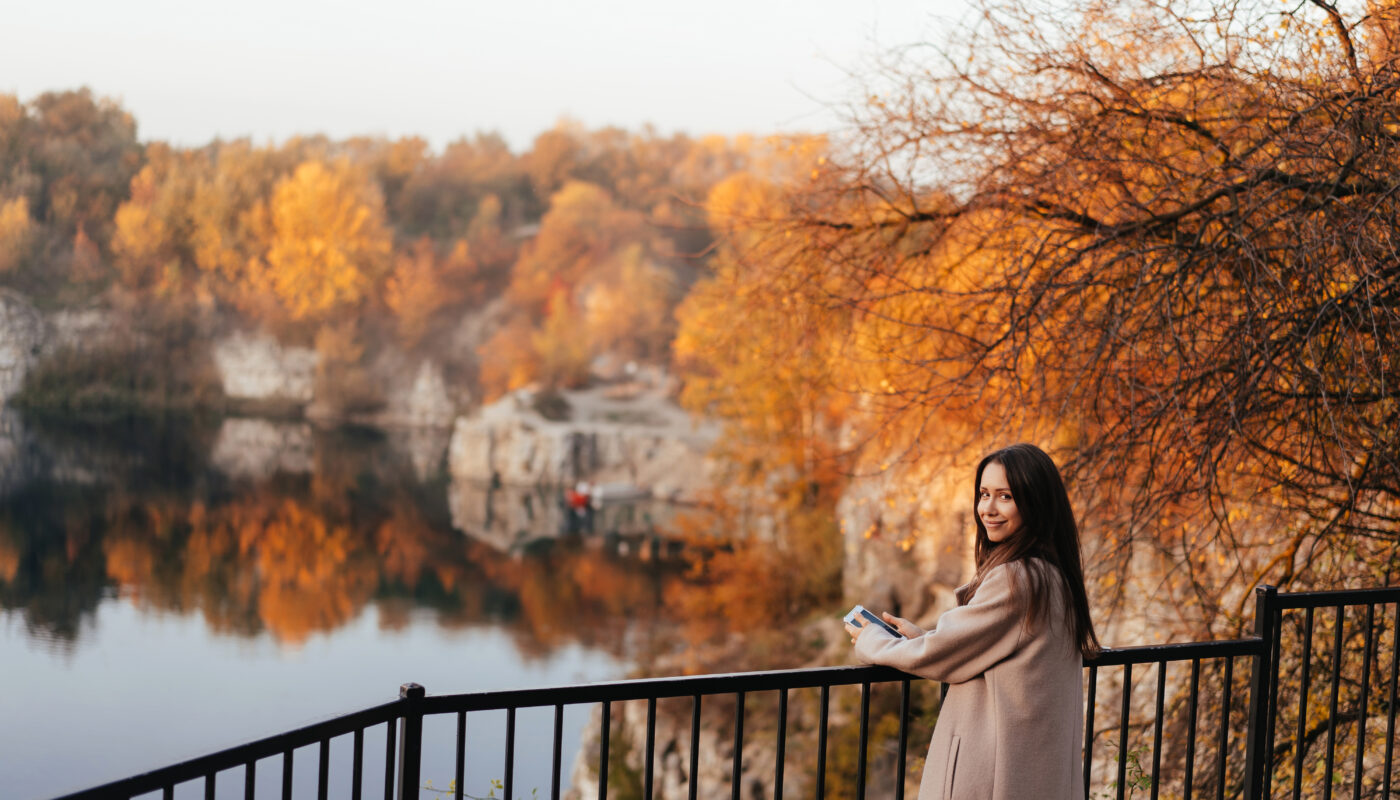
Leaves shift from summer greens to warm shades of gold, amber, and crimson. Birch, rowan, and aspen trees clinging to fjord slopes set the mountainsides ablaze with color. Reflecting in the calm waters below, the effect is doubled—a mirror image that intensifies the sense of magic.
In addition to foliage, the shifting light of autumn plays a key role. Shorter days and softer sunlight give the fjords a golden glow, especially in late September and October. Early morning mist and low-hanging clouds add layers of atmosphere, turning fjord views into scenes reminiscent of classical landscape paintings.
Silence: The Hidden Gem of Shoulder Season
One of the most striking aspects of visiting fjords in autumn is the relative quiet. Summer attracts cruise ships, bus tours, and hikers from across Europe and beyond. By autumn, many of these crowds have dissipated.
This “shoulder season” provides a rare opportunity to experience the fjords in near solitude:
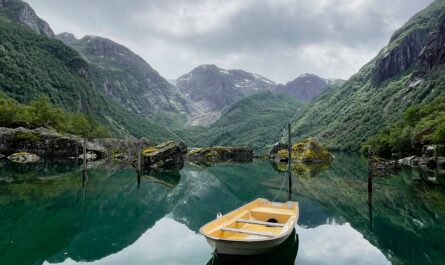
- Tranquil water reflections: With fewer boats on the water, fjord surfaces become smooth, reflecting cliffs and trees like a natural mirror.
- Peaceful hiking trails: Popular routes such as those near Geirangerfjord or Nærøyfjord feel more private, letting travelers connect with nature without the distractions of busy trails.
- Silent villages: Small fjord settlements like Flåm, Undredal, and Balestrand slow down. Cafés continue to be calm, comfortable spaces that provide close-up views of the local way of life.
For photographers, writers, or anyone seeking reflection, this seasonal silence transforms the fjords from a tourist attraction into a deeply personal experience.
Wildlife Encounters in Autumn
Autumn also brings unique opportunities to observe wildlife. Many species adjust their behavior in preparation for winter:
- Bird migration: Fjord regions host large flocks of migratory birds, including geese, swans, and seabirds. Observing their patterns against colorful landscapes is an unforgettable experience.
- Marine life: Otters, seals, and occasionally porpoises are active as the fjord waters remain rich with fish.
- Land animals: Deer and foxes roam lower slopes, often seen from fjord viewpoints or along less-traveled roads.
Because fewer visitors are around, wildlife encounters are more likely, adding to the sense of intimacy with the natural world.
Experiencing Autumn Colors: Where to Go
While Norway’s fjords stretch from the west coast up to the Arctic Circle, some areas are particularly stunning during autumn:
Geirangerfjord
Geirangerfjord, a UNESCO World Heritage Site, is well-known for its waterfalls, including the Bridal Veil and the Seven Sisters. Autumn brings golden birch forests that contrast sharply with the steep cliffs. Hikes such as Skageflå offer panoramic views of the color-drenched valley.
Nærøyfjord
Another World Heritage fjord, Nærøyfjord’s narrow passages and vertical cliffs create dramatic reflections. Autumn mist and soft light accentuate its cinematic beauty, making it a favorite among photographers.
Sognefjord
Norway’s longest fjord, Sognefjord is ideal for extended autumn exploration. Side valleys like Aurlandsdalen turn into vibrant corridors of orange and red, while local farms prepare for winter, offering authentic glimpses of fjord life.
Hardangerfjord
Known as the fruit-fjord, Hardangerfjord shines in autumn with apple orchards and cherry trees laden with late-season fruit. Colorful foliage combines with agricultural textures for a unique seasonal palette.
Activities for Autumn Fjord Travelers
Autumn in the fjords is perfect for a variety of experiences that are less feasible during peak summer months:
Hiking and Nature Walks
Lower crowds and cooler temperatures make autumn ideal for fjord hikes. Classic trails include:
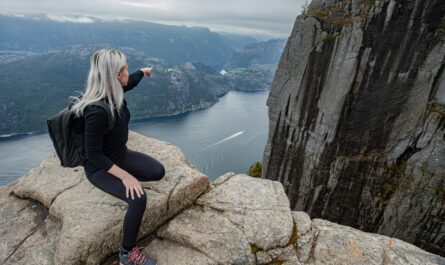
- Trolltunga: Fewer hikers and dramatic fall colors make the iconic cliff even more breathtaking.
- Rallarvegen: Former railway routes with autumn landscapes offer gentle cycling and walking paths.
- Aurlandsdalen: A valley hike surrounded by orange and yellow foliage, ending at fjord waters.
Scenic Cruises
Though fewer cruise ships operate, small boat tours still run. Autumn cruises offer:
- Peaceful reflections of colorful cliffs
- Close encounters with waterfalls at their seasonal best
- Opportunities for wildlife observation
Photography and Art
Autumn light is softer, golden, and low on the horizon. Photographers and painters find the fjords an irresistible subject. Misty mornings, reflective waters, and warm foliage allow for dramatic compositions.
Local Culture and Festivals
Autumn is harvest season in the fjord villages. Seasonal festivals include:
- Apple and cider festivals in Hardanger
- Local markets showcasing handmade crafts
- Traditional music events in smaller communities
These cultural experiences provide insight into fjord life beyond landscapes.
The Magic of Shoulder Season
The shoulder season—September through November—is often overlooked by travelers focused on summer or winter sports. Yet it offers distinct advantages:
- Lower prices: Accommodation and tours are often more affordable.
- Less crowding: There are more peaceful major vistas, dining options, and hiking paths.
- Milder weather: While temperatures are cooler, autumn often brings crisp, clear days perfect for outdoor exploration.
- Unique lighting: Shorter days produce long, golden hours ideal for photography.
For many, the shoulder season creates a sense of discovery. Visitors feel as though they are uncovering hidden fjords that summer crowds obscure.
Practical Tips for Visiting Fjords in Autumn
- Dress in Layers: Fjord weather can shift quickly; bring warm, waterproof layers.
- Check Ferry and Cruise Schedules: Some services reduce frequency after summer.
- Plan Daylight Activities: Days shorten quickly, so prioritize outdoor activities earlier.
- Book Accommodations Early: Even though crowds are smaller, popular villages like Flåm still have limited availability.
- Embrace Mist and Fog: Low clouds add atmosphere; don’t be discouraged by less-than-perfect visibility.
Savoring the Silence
Autumn in the fjords offers a rare experience: profound silence. The soundscape changes dramatically. Water laps gently against the shore, distant waterfalls murmur, and birdcalls punctuate the calm. Without summer crowds, travelers often describe an almost meditative connection with nature.
This silence enhances every sensory impression: the smell of damp leaves, the crisp mountain air, the vibrant color reflected on still waters. It is this combination of visual beauty, auditory peace, and tactile freshness that defines the magic of autumn fjords.
Why Autumn Fjords Are Unforgettable
Visiting fjords in autumn is more than a sightseeing trip; it is a seasonal immersion. The combination of:
- Vibrant foliage
- Reduced crowds
- Seasonal wildlife
- Peaceful reflection on mirrored waters
- Cultural encounters in quiet villages
…creates an experience that feels intimate, transformative, and deeply restorative.
For photographers, hikers, artists, and nature lovers alike, autumn offers a connection to the fjords that summer cannot replicate. Each bend in the fjord, every cliffside waterfall, and every quiet village feels alive with seasonal magic.
Final Thoughts
The fjords in autumn represent a fleeting, magical period where nature shows its most vivid colors, silence reigns, and landscapes feel almost sacred. The shoulder season allows travelers to experience the fjords in an intimate, reflective way, far from the bustle of summer crowds.
From mirrored waters reflecting golden trees to mist-shrouded mountains and harvest festivals in quiet villages, autumn transforms Norway’s fjords into a realm of wonder. Travelers who venture during this time often leave with not just photographs, but a profound sense of connection to one of Europe’s most breathtaking landscapes.
Autumn in the fjords is more than a season—it is a sensory journey through color, silence, and natural artistry, offering memories that last long after the leaves have fallen.