 by
by Fjords are among the most breathtaking natural landscapes on Earth. These narrow, deep inlets carved by glaciers evoke awe with their sheer cliffs, cascading waterfalls, and mirror-like waters. Across the globe, fjords captivate travelers, scientists, and photographers alike. Yet not all fjords are treated equally when it comes to global recognition. Some have been designated as UNESCO World Heritage Sites, acknowledging their exceptional geological, ecological, and cultural significance.
But what exactly makes a fjord worthy of this prestigious status? Why do a select few stand out on the global stage? This article explores the criteria, scientific importance, cultural value, and environmental uniqueness that lead certain fjords to achieve UNESCO recognition.
Understanding UNESCO World Heritage Sites
The United Nations Educational, Scientific and Cultural Organization (UNESCO) identifies and preserves sites of outstanding value to humanity. These sites can be natural, cultural, or a combination of both. For natural sites, UNESCO emphasizes exceptional natural beauty, geological processes, biodiversity, and ecological significance.
To be designated a World Heritage Site, a location must meet at least one of ten selection criteria. For fjords, the most relevant are often:
- Outstanding natural beauty: Scenic landscapes that inspire awe.
- Geological significance: Sites that illustrate major stages of Earth’s history.
- Ecological processes: Areas supporting rare or unique ecosystems.
- Biodiversity conservation: Places critical for the survival of endemic or endangered species.
Fjords frequently meet several of these criteria, thanks to their unique formation, ecosystems, and human interaction with the landscape over centuries.
What Makes Fjords Special
Fjords are carved by glaciers, often over millions of years, creating deep, U-shaped valleys flooded by seawater. These formations are remarkable for several reasons:
- Geological history: Fjords provide clear evidence of glacial erosion and retreat.
- Dramatic landscapes: Sheer cliffs, hanging valleys, and waterfalls create visually striking vistas.
- Ecological niches: Cold, nutrient-rich waters support marine life, while steep cliffs host unique vegetation and bird colonies.
- Cultural landscapes: Many fjords have been inhabited for thousands of years, combining natural beauty with human history.
The combination of natural processes and cultural interaction makes fjords globally significant and often worthy of protection.
Examples of UNESCO-Recognized Fjords
Several fjords around the world have received UNESCO World Heritage designation, each for unique reasons.
1. Geirangerfjord and Nærøyfjord, Norway
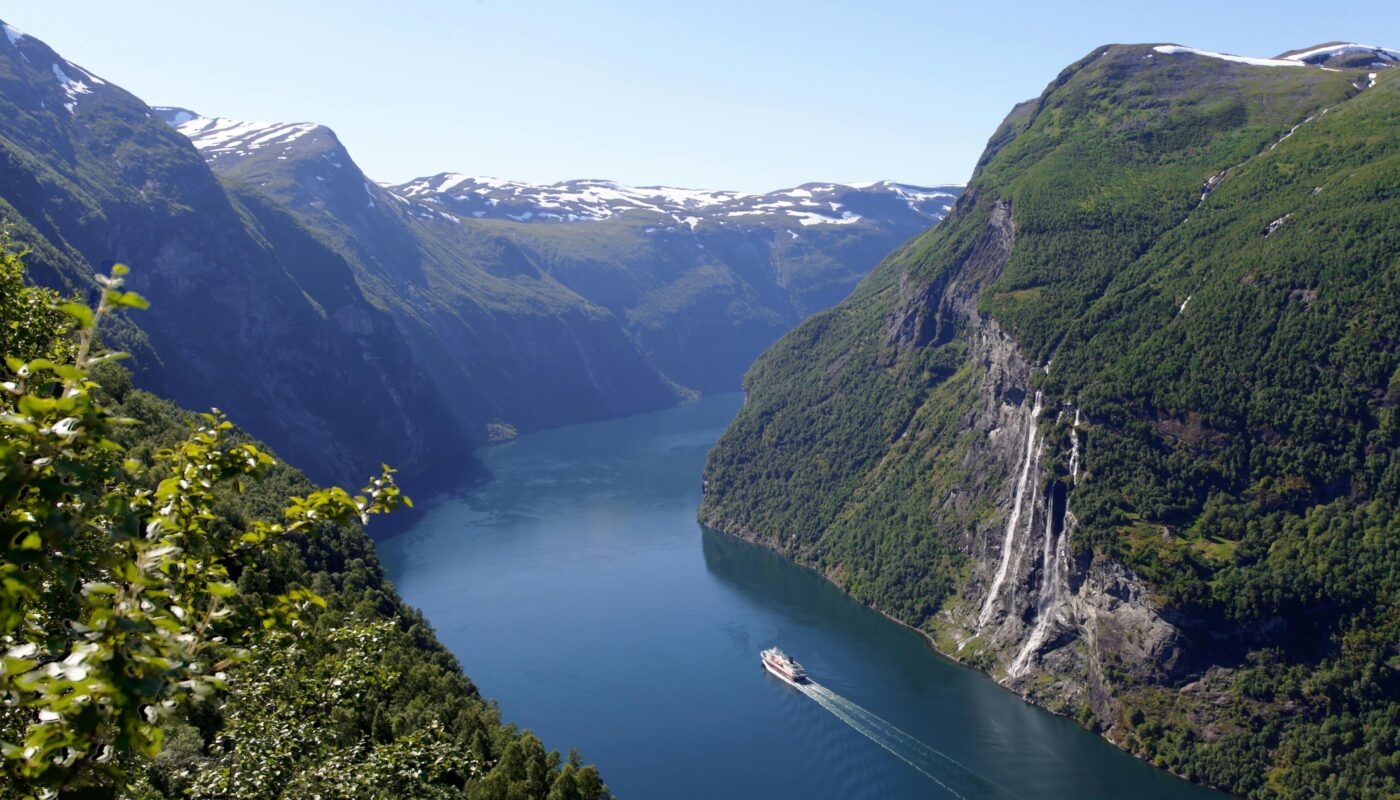
Located in western Norway, these fjords are celebrated for their stunning natural beauty and dramatic vertical cliffs.
- UNESCO Designation: 2005
- Reasons for Listing:
- Exceptional scenic beauty with waterfalls and rugged peaks.
- Examples of glacial formation and geological processes.
- Traditional mountain farms in the surrounding valleys showcasing sustainable human adaptation.
These fjords are a prime example of how natural and cultural elements combine to meet UNESCO criteria.
2. Saguenay Fjord, Canada
In Quebec, the Saguenay Fjord cuts deep into the Laurentian Mountains. While not a UNESCO World Heritage Site yet, it has been recognized for its geological importance and marine biodiversity.
- Significance:
- Rare Arctic marine ecosystems within a temperate region.
- Unique geological formations shaped by ancient glaciation.
- Supports whale populations and migratory birds.
Saguenay demonstrates that ecological richness and geological uniqueness are central to fjord conservation.
3. Milford Sound (Piopiotahi), New Zealand
Located in Fiordland National Park, Milford Sound is part of the Te Wahipounamu World Heritage Area.
- UNESCO Designation: 1990
- Reasons for Listing:
- Spectacular fjords with dramatic waterfalls and peaks.
- Extensive glacial valleys showcasing Earth’s geomorphology.
- High biodiversity including unique endemic species of birds, plants, and marine life.
New Zealand’s fjords exemplify the integration of natural beauty with ecological significance.
Criteria That Elevate Fjords to UNESCO Status
1. Exceptional Natural Beauty
Fjords offer unparalleled scenic views, often considered some of the most beautiful landscapes in the world. Vertical cliffs plunging into deep blue waters, misty waterfalls, and lush vegetation create a visual spectacle that transcends ordinary landscapes. UNESCO considers this aesthetic and emotional impact when evaluating potential World Heritage Sites.
2. Geological Significance
Glacial activity forms fjords, and UNESCO values locations that illustrate Earth’s geological history. Fjords show:
- Glacial carving and deposition
- Hanging valleys and moraines
- Evidence of past ice ages
This makes fjords both scientifically significant and educational for visitors seeking to understand the planet’s development.
3. Ecological and Biological Importance
Many fjords support ecosystems found nowhere else. Cold waters, nutrient mixing, and isolated cliffs create habitats for:
- Marine mammals like whales and seals
- Rare fish species
- Seabird colonies on cliffs
- Unique plant communities adapted to harsh conditions
This biodiversity is critical for research, conservation, and long-term ecological health.
4. Cultural Significance
Some fjords have been inhabited for centuries, and human adaptation to challenging environments forms part of their heritage:
- Terrace farming on steep slopes
- Fishing and transport traditions
- Historic settlements that maintain centuries-old architecture
UNESCO often recognizes this combination of natural and cultural heritage as essential for protection.
Threats to Fjords
While fjords are spectacular, they face threats that make their protection urgent:
- Climate Change
Rising temperatures affect glaciers feeding fjords, altering water flow and landscape stability. Changes in precipitation patterns also impact vegetation and wildlife. - Tourism Pressure
Some UNESCO-designated fjords, like Geirangerfjord, see hundreds of thousands of visitors annually. High traffic can damage trails, disturb wildlife, and strain local infrastructure. - Industrial Activities
Mining, logging, and aquaculture can degrade fjord environments. Even distant activities in a fjord’s watershed may affect water quality and biodiversity.
Protecting these sites requires balancing human enjoyment with environmental sustainability.
Conservation and Management
UNESCO designation helps fjords by encouraging careful management and global recognition. Strategies include:
- Limiting cruise ship numbers to reduce pollution
- Protecting endemic species and habitats
- Supporting traditional farming practices that preserve cultural landscapes
- Monitoring geological and ecological changes to adapt conservation policies
Management plans ensure that these fjords remain intact for future generations, preserving both their natural beauty and scientific value.
Why UNESCO Recognition Matters
Being a UNESCO World Heritage Site carries more than prestige. It:
- Increases international awareness and funding for conservation
- Encourages sustainable tourism practices
- Highlights ecological and geological significance for scientific research
- Preserves cultural heritage tied to human interaction with fjords
For the global community, UNESCO recognition emphasizes the responsibility to protect these extraordinary landscapes.
Conclusion
Fjords are natural marvels, but only a few achieve UNESCO World Heritage status due to their combination of beauty, geological history, ecological importance, and cultural significance. From Norway’s Geirangerfjord to New Zealand’s Milford Sound, these sites showcase the Earth’s glacial heritage while supporting unique ecosystems and human traditions.
UNESCO recognition ensures that these fjords are more than tourist attractions—they are preserved as irreplaceable landmarks of our planet, illustrating how natural processes and human culture can intertwine.
For travelers, scientists, and conservationists alike, UNESCO-listed fjords represent both inspiration and responsibility: to witness their grandeur today and protect them for generations to come.