 by
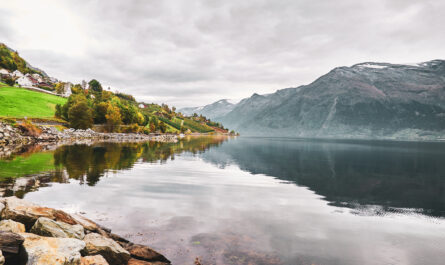
by Nestled in western Norway, Hardangerfjord is a destination that perfectly combines dramatic natural scenery with cultural charm. Stretching deep inland from the North Sea, the fjord is known for steep cliffs, cascading waterfalls, fertile fruit valleys, and nearby glaciers. Often called Norway’s “Orchard,” Hardangerfjord offers a unique blend of wilderness adventure and accessible sightseeing, making it ideal for travelers seeking both nature and authenticity.
This guide highlights the fjord’s iconic waterfalls, lush fruit orchards, and glacier landscapes, alongside practical travel tips to help visitors maximize their experience.
Exploring Hardangerfjord: Norway’s Scenic Treasure
At roughly 180 kilometers long, Hardangerfjord is Norway’s fourth-longest fjord. Its striking combination of towering mountains, deep blue waters, and fertile lowlands has drawn travelers for centuries. Unlike some of the more commercialized fjords, Hardangerfjord retains a balance of tranquil nature and thriving local communities, giving visitors a sense of genuine Norwegian life.
The fjord’s varied landscapes allow travelers to experience snow-fed waterfalls, colorful orchards, and alpine glaciers within a single trip. It is easily reached from Bergen, which serves as the main hub for fjord excursions.
The Orchard Region: Blossoms and Harvests
One of Hardangerfjord’s defining features is its fruit cultivation. The mild microclimate along the fjord, sheltered by surrounding mountains, creates optimal growing conditions for apples, cherries, pears, and plums.
Seasonal Blossoms
In spring, the region transforms into a palette of pink and white as fruit trees blossom. Driving along the fjord during this period offers breathtaking views, with orchards stretching across hillsides and farmhouses scattered among them. Festivals celebrate the flowering season, attracting both domestic and international visitors.
Harvest Time
By late summer and early autumn, Hardangerfjord’s orchards are abundant with ripe fruit. Local markets and farm stands sell fresh produce, while small cider workshops produce beverages made from locally grown apples and pears. Travelers can sample fresh fruit, homemade cakes, and traditional cider directly from farms.
Waterfalls: Nature’s Spectacle
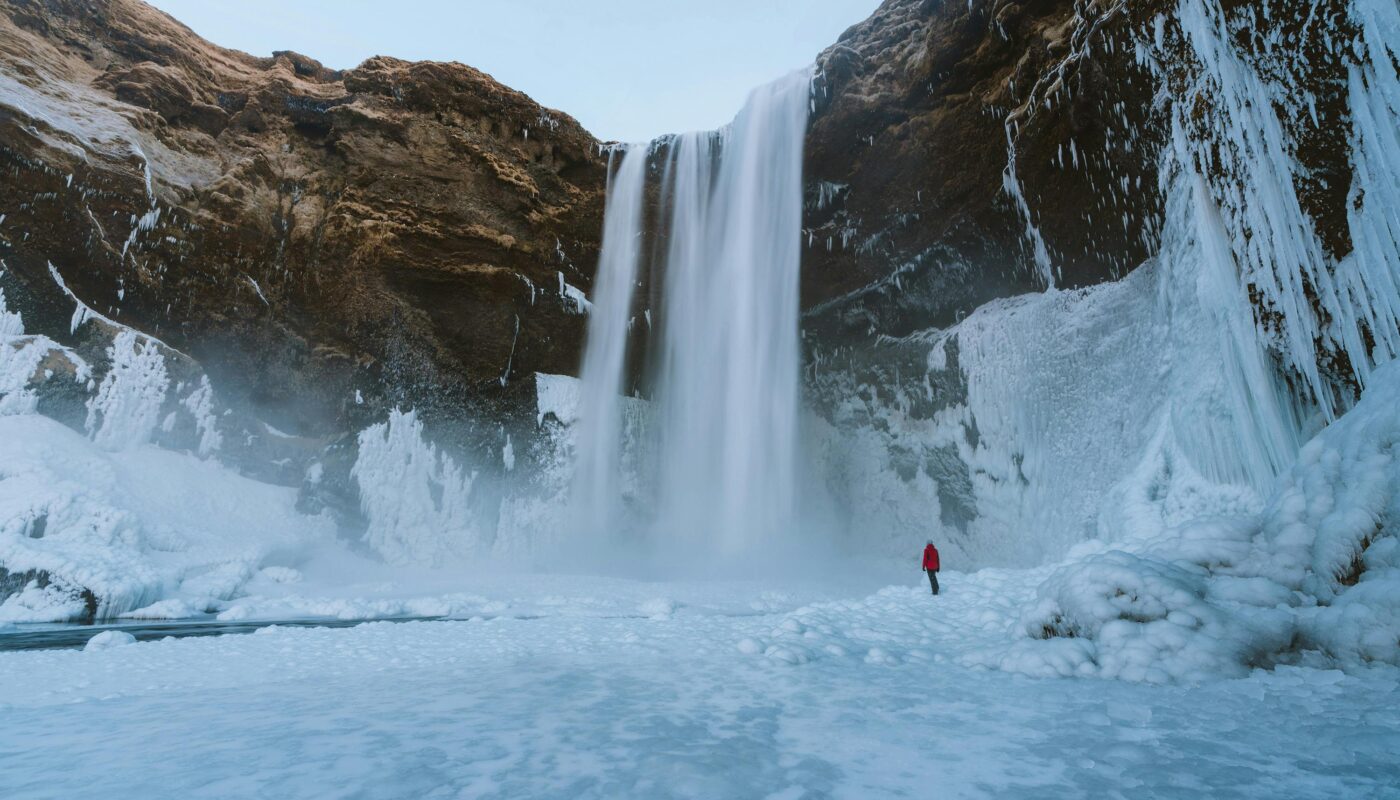
Hardangerfjord is renowned for its waterfalls, many of which plummet from dramatic heights into valleys and fjords below.
Vøringsfossen
Vøringsfossen is the region’s most famous waterfall, with a 182-meter drop into the Måbødalen Valley. It is easily accessible via the Hardangervidda National Tourist Route and offers multiple viewing platforms. Anyone traveling along the fjord should make time to see this waterfall.
Steinsdalsfossen
Steinsdalsfossen allows visitors to walk behind its cascade, creating a rare interactive experience with nature. Its combination of accessibility and thrill makes it particularly popular among families and casual travelers.
Langfossen
Langfossen flows uninterrupted for 612 meters, making it one of the most photogenic waterfalls in the world. Located directly beside the main road, visitors can enjoy the view without a strenuous hike.
Husedalen Valley Waterfalls
The Husedalen Valley trail features four waterfalls along a single hiking route, offering a combination of alpine scenery, birch forests, and traditional mountain farms. This hike is ideal for travelers seeking multiple natural attractions in one adventure.
Glaciers Near the Fjord
The fjord’s surrounding mountains are home to glaciers that continue to shape the landscape.
Folgefonna Glacier
Folgefonna Glacier, located within Folgefonna National Park, is a massive ice field that feeds rivers and waterfalls in the region. Visitors can explore the glacier through guided tours, which may include walking on ice, exploring small crevasses, or even summer skiing experiences.
The glacier’s presence illustrates how Hardangerfjord’s dramatic topography was carved by ancient ice flows, giving the fjord its deep valleys and steep cliffs.
Villages and Local Life
Hardangerfjord is dotted with charming villages that offer cultural experiences alongside natural beauty.
- Eidfjord serves as a gateway to Vøringsfossen and the Hardangervidda plateau.
- Odda is popular with hikers heading to Trolltunga and offers local accommodations and restaurants.
- Ulvik remains quiet and picturesque, ideal for those seeking a slower pace.
- Lofthus is known for its orchards and summer festivals celebrating local music and arts.
Visiting these villages allows travelers to experience Norwegian culture, taste local foods, and interact with communities that have maintained traditional ways of life for generations.
Scenic Drives and Transportation
Hardangerfjord is particularly rewarding for those who enjoy scenic road trips.
Hardangervidda Tourist Route
This drive traverses mountain plateaus, waterfalls, and fjord viewpoints, making it one of the most scenic in Norway.
Orchard Roads
Traveling along the eastern fjord in spring or autumn allows visitors to see flowering orchards or harvest-ready fruit fields, providing opportunities for photography and farm visits.
Renting a car offers maximum flexibility, as public transportation is limited in some rural fjord areas.
Outdoor Activities
Hardangerfjord is not just for sightseeing — outdoor enthusiasts can enjoy hiking, kayaking, cycling, and fjord cruises.
- Hiking: Trails range from easy waterfall paths to challenging routes like Trolltunga.
- Kayaking: Calm fjord waters offer a unique vantage point of cliffs and waterfalls.
- Cycling: Quiet roads with scenic views are ideal for both casual and experienced cyclists.
- Fjord Cruises: Visitors can explore cliffs, waterfalls, and secret towns that are unreachable by road on boat cruises.
Seasonal Travel Recommendations
- Spring (May–June): Orchard blossoms, snow-fed waterfalls, fewer crowds.
- Summer (July–August): Warm weather, long days, peak hiking season.
- Autumn (September–October): Fruit harvest, colorful foliage, cider festivals.
- Winter (November–March): Frozen landscapes, snow-covered villages, fewer tourists.
Each season offers unique experiences, so planning your trip depends on the type of activities and scenery you want to enjoy.
Local Cuisine and Flavors
Hardangerfjord is a culinary destination as well as a natural one. Travelers can enjoy:
- Freshly picked apples, cherries, and plums
- Farm-made ciders
- Traditional cakes and desserts featuring local fruit
- Local lamb and fish dishes
Supporting local farms and markets not only enhances the travel experience but also contributes to the region’s sustainability.
Sustainable Travel Tips
To protect Hardangerfjord’s natural beauty:
- Stick to marked trails
- Avoid disturbing orchards and farmland
- Support local accommodations and eateries
- Follow Leave No Trace principles
Responsible travel ensures that the fjord’s environment and communities remain vibrant for future visitors.
Sample 3-Day Hardangerfjord Itinerary
Day 1: Drive from Bergen, visit Steinsdalsfossen, explore orchard areas, overnight in Ulvik or Lofthus.
Day 2: Guided tour of Folgefonna Glacier, hike Husedalen Valley waterfalls, evening fjord cruise.
Day 3: Visit Vøringsfossen, explore Eidfjord village, return to Bergen via Hardangervidda route.
This itinerary balances natural attractions, cultural experiences, and relaxed travel pace.
Why Hardangerfjord Is a Must-Visit
Hardangerfjord combines Norway’s iconic natural features — waterfalls, glaciers, and mountains — with cultivated landscapes like orchards and historic villages. It provides a variety of experiences in a single trip, from adrenaline-filled hikes to serene fruit tasting. The combination of scenic diversity, accessibility, and authentic local culture makes Hardangerfjord a standout destination in the fjord region.
Visitors leave with lasting memories of cascading waterfalls, vibrant orchards, icy landscapes, and the quiet charm of Norwegian villages — a true reflection of Norway’s natural and cultural richness.