 by
by Hidden in the remote southwest of New Zealand’s South Island lies one of the most breathtaking wilderness areas in the world: Fiordland National Park. Known for its dramatic fjords, dense rainforests, towering mountain ranges, and powerful waterfalls, this remarkable landscape offers travelers an unforgettable journey into nature.
Spanning over 1.2 million hectares, Fiordland is the largest national park in New Zealand and one of the most pristine ecosystems left on the planet. Its untouched scenery, diverse wildlife, and famous hiking trails attract adventurers, photographers, and nature lovers from across the globe.
Whether you’re planning a multi-day trek, a scenic cruise, or a relaxing nature escape, this complete guide will help you explore Fiordland National Park and make the most of your visit.
Where Is Fiordland National Park?
The southwest part of the South Island of New Zealand is home to Fiordland National Park. The park forms a major part of the Te Wāhipounamu World Heritage Area, a region recognized globally for its natural beauty and geological importance.
Due to its rugged terrain and remote coastline, much of the park remains untouched and difficult to access. The two main towns that serve as gateways to the park are Te Anau and Manapouri, both of which provide accommodation, tours, and transport options for visitors.
From these towns, travelers can reach many of Fiordland’s famous attractions, including its spectacular fjords and world-renowned hiking trails.
The Formation of Fiordland’s Landscape
Fiordland’s striking scenery was shaped by massive glaciers thousands of years ago during the last Ice Age. As these glaciers slowly carved through the mountains, they created deep valleys with steep walls.
When the glaciers eventually melted, the valleys flooded with seawater, forming the long, narrow waterways known as fjords. These dramatic formations are the defining feature of Fiordland National Park.
The park’s environment is also influenced by its extremely high rainfall. Moist air from the Tasman Sea rises against the mountains and produces frequent rainstorms, feeding countless waterfalls and maintaining the region’s lush rainforest.
This combination of glaciers, mountains, rainforests, and ocean waters creates a unique landscape that feels both wild and magical.
Famous Fjords in Fiordland
Although the park contains more than a dozen fjords, several stand out as must-visit destinations.
Milford Sound
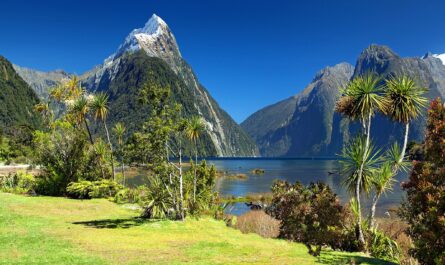
Milford Sound is the most famous fjord in New Zealand and often considered one of the most beautiful natural locations on Earth.
Steep cliffs rise almost vertically from the water, creating a dramatic and powerful landscape. One of the most recognizable features of Milford Sound is Mitre Peak, a sharply pointed mountain that towers above the fjord.
Visitors typically explore Milford Sound through boat cruises, kayaking trips, or scenic flights. Rainy days often provide the most spectacular views because hundreds of temporary waterfalls appear along the cliffs.
Doubtful Sound
Doubtful Sound is larger, quieter, and more remote than Milford Sound. Because it requires multiple forms of transportation to reach, it receives far fewer visitors.
The journey usually begins with a boat ride across Lake Manapouri followed by a bus trip over Wilmot Pass before reaching the fjord itself.
Once there, travelers are rewarded with peaceful waters, towering mountains, and incredible opportunities to see dolphins and other marine life.
Dusky Sound
Dusky Sound is among the most isolated fjords in the region. It is rarely visited except by expedition cruises or experienced kayakers.
This remoteness makes it ideal for travelers seeking true wilderness experiences and untouched scenery.
Wildlife in Fiordland
Fiordland National Park supports a remarkable variety of wildlife, both on land and in the surrounding ocean.
Bird Species
The forests of Fiordland are home to many rare birds that cannot be found anywhere else in the world. Some of these species were once believed to be extinct before small populations were rediscovered in remote valleys.
Notable birds in the region include:
- The big, flightless takahē is indigenous to New Zealand.
- The kākāpō, one of the rarest parrots in the world
- Native robins and fantails
- Tūī and bellbirds
Conservation efforts in Fiordland play an important role in protecting these unique species.
Marine Wildlife
The fjords contain a fascinating underwater ecosystem created by layers of fresh and salt water.
Wildlife commonly spotted in the fjords includes:
- Bottlenose dolphins
- New Zealand fur seals
- Fiordland crested penguins
In deeper waters, rare black coral colonies grow in dark conditions normally found only in deep ocean environments.
Top Activities in Fiordland National Park
There are countless ways to explore Fiordland’s wilderness. Whether you enjoy adventure, photography, or quiet nature experiences, the park offers something for everyone.
Hiking and Trekking
Hiking is one of the best ways to experience the park’s landscapes. Fiordland is famous for three of New Zealand’s “Great Walks,” multi-day trails that take hikers through incredible scenery.
Milford Track
Often described as one of the finest walking routes in the world, the Milford Track passes through lush forests, alpine passes, and dramatic waterfalls.
Kepler Track
The Kepler Track forms a loop around Lake Te Anau and offers spectacular ridge-top views of the surrounding mountains.
Routeburn Track
This trail connects Fiordland National Park with Mount Aspiring National Park and showcases stunning alpine landscapes.
Each of these hikes typically takes several days and requires advance booking during peak travel seasons.
Scenic Cruises
Boat cruises are the most popular way to explore the fjords. These tours allow visitors to travel deep into the waterways while enjoying views of cliffs, waterfalls, and wildlife.
Some cruises even sail close enough to waterfalls that passengers can feel the mist.
Kayaking Adventures
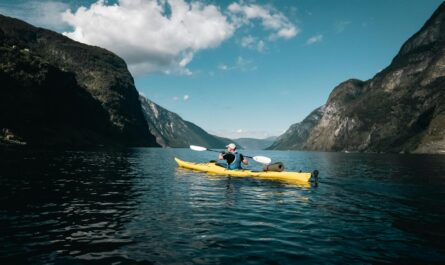
For travelers who prefer a more active experience, kayaking offers an unforgettable way to explore Fiordland.
Paddling through the calm waters of a fjord allows visitors to see the towering cliffs from a completely different perspective while enjoying the quiet atmosphere of the wilderness.
Scenic Flights
Because large portions of Fiordland are difficult to reach on foot or by road, scenic flights provide a unique way to see the entire region.
Helicopter and small-plane tours reveal glaciers, hidden lakes, and remote valleys that few people ever witness.
Many flights include spectacular aerial views of Milford Sound and the surrounding mountains.
Best Time to Visit Fiordland
Fiordland is beautiful throughout the year, but each season offers different advantages.
Summer (December to February)
This is the warmest time of year and the most popular season for hiking. Long daylight hours allow visitors to explore more of the park.
Autumn (March to May)
Autumn brings fewer crowds and peaceful landscapes with changing colors in the forests.
Winter (June to August)
Winter transforms Fiordland into a dramatic alpine environment with snow-covered peaks and crisp air.
Spring (September to November)
Spring is known for powerful waterfalls as melting snow feeds rivers and streams throughout the park.
Travel Tips for Visiting Fiordland
Pack for Wet Weather
Fiordland receives heavy rainfall throughout the year. Waterproof jackets, sturdy shoes, and warm layers are essential.
Book Activities Early
Popular hiking trails and cruises can sell out months in advance, especially during the summer season.
Allow Plenty of Time
Travel distances in the park can be longer than expected due to winding roads and scenic stops.
Respect Nature
Visitors should follow conservation guidelines to protect Fiordland’s fragile ecosystems and wildlife.
Why Fiordland National Park Is So Special
Fiordland National Park stands out as one of the last great wilderness areas on Earth. Massive glaciers sculpted its dramatic terrain, while heavy rainfall nourishes ancient forests that have existed for thousands of years.
The park’s remote location has helped preserve its natural beauty, allowing visitors to experience landscapes that feel untouched by modern development.
From the towering cliffs of Milford Sound to the quiet waters of Doubtful Sound and the famous Great Walks, Fiordland offers unforgettable adventures for anyone who loves nature.
For travelers seeking breathtaking scenery, wildlife encounters, and peaceful moments in the wilderness, Fiordland National Park remains one of the most extraordinary destinations in the world.