 by
by Fjords are among the most spectacular landscapes on Earth. Carved by glaciers thousands of years ago, these deep and narrow sea inlets cut through mountains and stretch far inland. Their dramatic cliffs, waterfalls, and calm waters attract millions of travelers each year. However, exploring fjord regions requires understanding a unique transportation system built around water travel.
In many fjord destinations, roads cannot easily cross the steep terrain. Instead of bridges or tunnels everywhere, ferries and boats serve as the main connections between towns, villages, and scenic destinations. Whether you are traveling along the coast, visiting remote fjord communities, or exploring natural wonders, water transport becomes a central part of the journey.
This guide explains how fjord transportation works, including ferries, passenger boats, scenic cruise routes, and the best ways to connect between them while traveling.
Why Boats Are Essential in Fjord Regions
Fjords are formed when glaciers carve deep valleys through mountains and later fill with seawater after the ice melts. The resulting geography is breathtaking but challenging for land travel. Steep slopes, deep water, and narrow valleys make road construction difficult.
Because of this geography, many communities developed along the shoreline rather than on mountain ridges. Boats became the most practical way to connect people and goods between settlements.
In places such as Norwegian Fjords, ferries function almost like moving bridges. They link highways across water and allow travelers to continue their journey without long detours around the fjord.
Even today, many fjord regions rely heavily on marine transport, not only for tourism but also for everyday life.
Car Ferries: The Backbone of Fjord Travel
Car ferries are the most common type of vessel found in fjord transportation networks. These boats are designed to carry both vehicles and passengers across the water.
Travelers driving through fjord regions will frequently encounter ferry terminals where the road simply ends at the shoreline. Vehicles queue up, board the ferry, cross the fjord, and continue on the road once they reach the opposite side.
Typical features of car ferries include:
- Large vehicle decks for cars, buses, and trucks
- Indoor seating areas for passengers
- Outdoor observation decks
- Cafeterias or small snack bars
Crossings usually take between 15 and 45 minutes depending on the width of the fjord.
Many ferries operate frequently throughout the day, sometimes departing every 20 minutes. Because of this, travelers rarely need reservations for shorter routes.
For road-trippers exploring fjord landscapes, ferry crossings often become memorable highlights of the journey.
Passenger Ferries and Express Boats
Not all ferry routes transport vehicles. Passenger-only ferries and high-speed boats play an equally important role in fjord transportation.
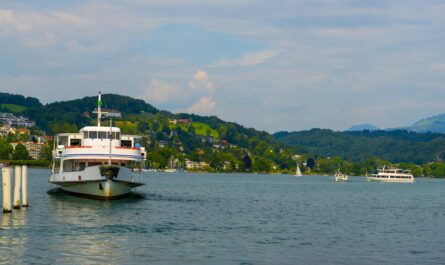
These vessels are designed for travelers moving between towns without cars. They operate more like water buses, stopping at several coastal locations along their route.
Passenger boats typically offer:
- Comfortable seating
- Large windows for scenic viewing
- Indoor lounges
- Outdoor decks for photography
High-speed express boats can travel much faster than traditional ferries, allowing passengers to cover long distances quickly.
For example, travelers exploring the Western Norway fjords often use passenger ferries to connect major cities with smaller fjord villages.
These services are especially useful for travelers relying on public transportation.
Scenic Fjord Cruises
While ferries serve practical transportation needs, scenic fjord cruises focus on the experience of traveling through the landscape.
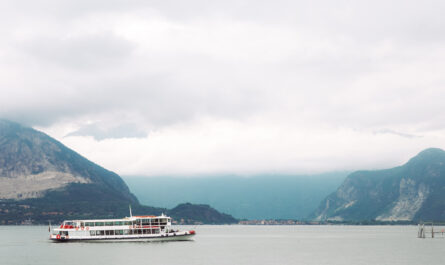
These cruises usually move more slowly, allowing passengers to enjoy dramatic cliffs, waterfalls, and mountain views.
One of the most famous cruise journeys runs along the coast of Norway, connecting multiple ports while passing spectacular fjord scenery.
Scenic cruises often include:
- Guided commentary about the landscape
- Large panoramic windows
- Outdoor viewing platforms
- Food and beverage services
Although these vessels are popular with tourists, they sometimes also function as transport between smaller coastal communities.
For travelers who want to experience fjords from the water without driving, scenic cruises provide an excellent option.
Small Boats and Local Water Taxis
In addition to large ferries and cruise vessels, smaller boats provide flexible transportation in many fjord regions.
Water taxis are commonly used to reach remote areas that lack regular ferry services. These small boats can transport a handful of passengers and are often booked privately.
Water taxis are particularly useful for:
- Accessing isolated hiking trails
- Reaching small villages
- Exploring hidden coves and fjord branches
Because fjords often have many narrow side channels, smaller boats can navigate places where larger ferries cannot go.
For travelers interested in adventure or off-the-beaten-path exploration, these services can provide unique experiences.
Ferry Terminals and Boarding Process
Using fjord ferries is generally straightforward, even for first-time visitors.
At most terminals, vehicles simply line up in marked lanes near the dock. When the ferry arrives, crew members guide vehicles onto the vessel.
Passengers can either remain in their vehicles or move to passenger areas during the crossing.
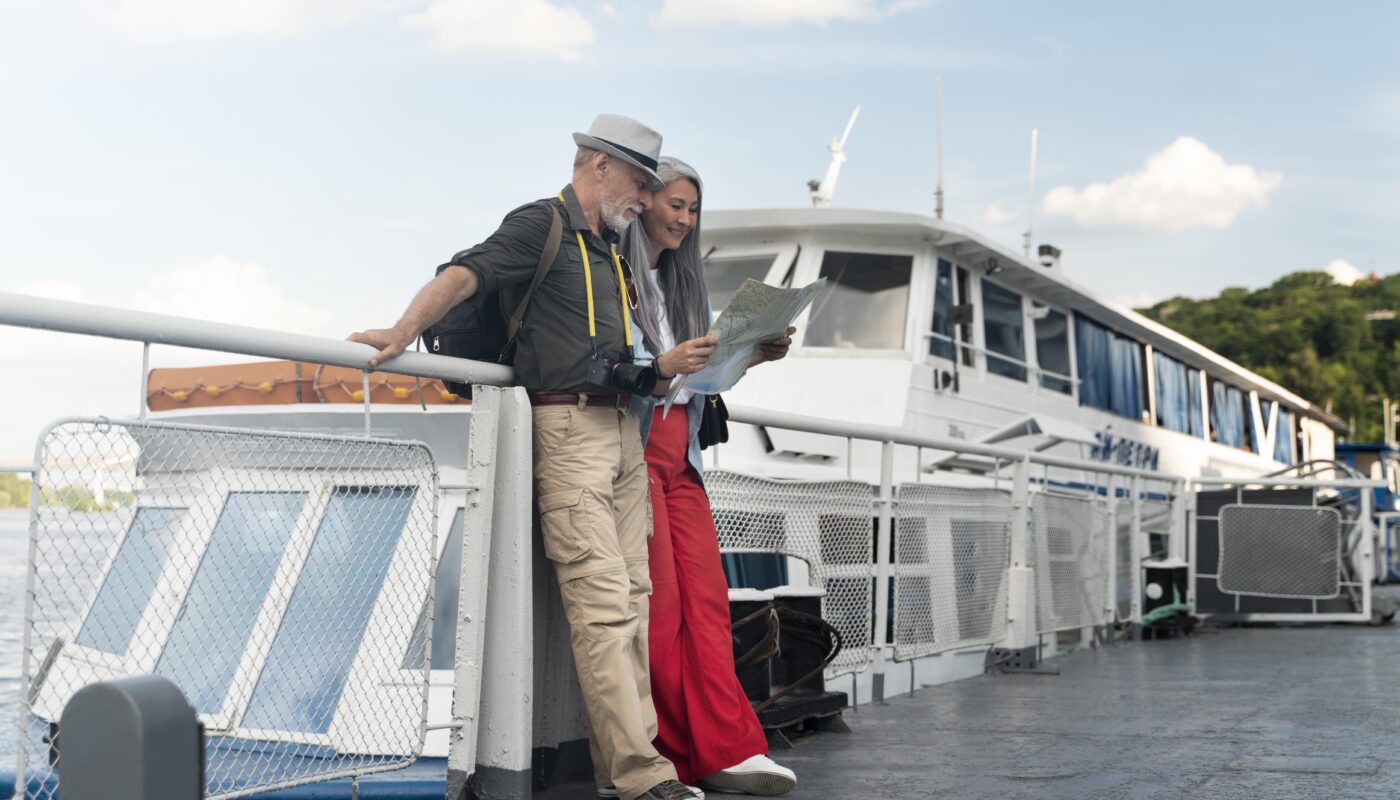
For travelers without cars, boarding is even easier. Walk-on passengers typically enter through separate gates and proceed directly to seating areas.
Payment methods vary depending on the route. Some ferries allow onboard payment, while others use automated ticket machines or digital payment systems.
Combining Ferries With Other Transportation
Fjord travel often involves combining several types of transportation in a single journey.
A typical trip might include:
- Train travel to a fjord town
- A bus to a ferry terminal
- A ferry crossing across the fjord
- A boat ride deeper into the fjord system
In regions such as Western Norway, transportation networks are designed to connect these different modes smoothly.
Travelers can often plan entire routes using national transportation apps or websites that combine train, bus, and ferry schedules.
This integrated system makes it possible to explore fjords without needing a private vehicle.
Seasonal Changes in Fjord Transportation
Transportation schedules in fjord regions often change depending on the season.
Summer
Summer is the peak travel season. Ferry schedules are usually more frequent, and additional tourist boats operate to accommodate increased demand.
Scenic cruises and sightseeing routes also run more often during the summer months.
Winter
In winter, transportation continues but may operate on reduced schedules. However, ferries still serve local communities year-round.
Winter fjord travel offers a quieter and more peaceful experience, with snow-covered mountains surrounding the water.
Environmental Innovations in Fjord Transport
Protecting fragile fjord ecosystems has become a major priority in recent years.
Many ferry operators are introducing environmentally friendly technologies such as:
- Electric ferries
- Hybrid engines
- Reduced-emission fuels
Electric ferries in particular are becoming increasingly common in Scandinavian fjord regions. These vessels produce little or no local pollution and operate much more quietly than traditional ships.
These innovations help preserve the pristine natural beauty that makes fjords such special destinations.
Tips for Planning Fjord Boat Travel
Traveling through fjord regions is usually easy, but a few practical tips can make the journey smoother.
Check ferry schedules in advance.
Some routes run frequently, while others may only operate a few times per day.
Allow extra travel time.
Busy summer periods can result in queues at ferry terminals.
Arrive early for popular routes.
Certain scenic ferry crossings attract many tourists.
Consider weather conditions.
Although ferries are designed for rough seas, strong winds or storms can occasionally affect schedules.
Planning ahead helps avoid unexpected delays.
The Experience of Traveling by Fjord Boat
Beyond practicality, boat travel offers a completely different perspective of the fjord landscape.
From the water, travelers can fully appreciate the towering cliffs and waterfalls that plunge directly into the sea. Some fjords are so steep that villages cling to narrow strips of land between the mountains and water.
Wildlife sightings are also common during boat journeys. Seabirds, seals, and sometimes dolphins can appear along the route.
Because of this, ferry rides often feel less like transportation and more like scenic excursions.
Conclusion
Exploring fjords is an unforgettable experience, and boats are an essential part of that journey. In regions like Norwegian Fjords, ferries, passenger boats, and small water taxis form a transportation network shaped by the dramatic geography of the landscape.
Car ferries allow drivers to cross wide fjords quickly, while express boats connect coastal towns and villages. Scenic cruises offer travelers the chance to admire towering cliffs and waterfalls from the water.
Understanding how these different transport options work makes planning a fjord adventure much easier. With a combination of ferries, boats, and land transport, visitors can reach even the most remote and beautiful corners of fjord regions.
In the end, traveling through the fjords by boat is not just a way to get from place to place—it is one of the most memorable parts of the journey itself.