 by
by Fjords are naturally dramatic landscapes—steep cliffs plunging into deep waters, winding shorelines, and ever-changing skies. While many photographers hope for clear blue conditions, the reality is quite different. Fjords are often wrapped in mist, rain, and low-hanging clouds.
Surprisingly, these “imperfect” conditions can produce the most striking and memorable photographs.
Instead of waiting for sunshine, skilled photographers learn to work with challenging weather. Rain, fog, and storms introduce atmosphere, depth, and emotion that clear skies simply cannot replicate. If you understand how to adapt your approach, bad weather can become your greatest advantage.
This guide will walk you through practical techniques and creative strategies to help you capture stunning fjord images—even when the weather refuses to cooperate.
Rethinking Bad Weather: From Problem to Opportunity
The first step is mental. If you treat bad weather as a setback, you’ll miss out on powerful photographic moments.
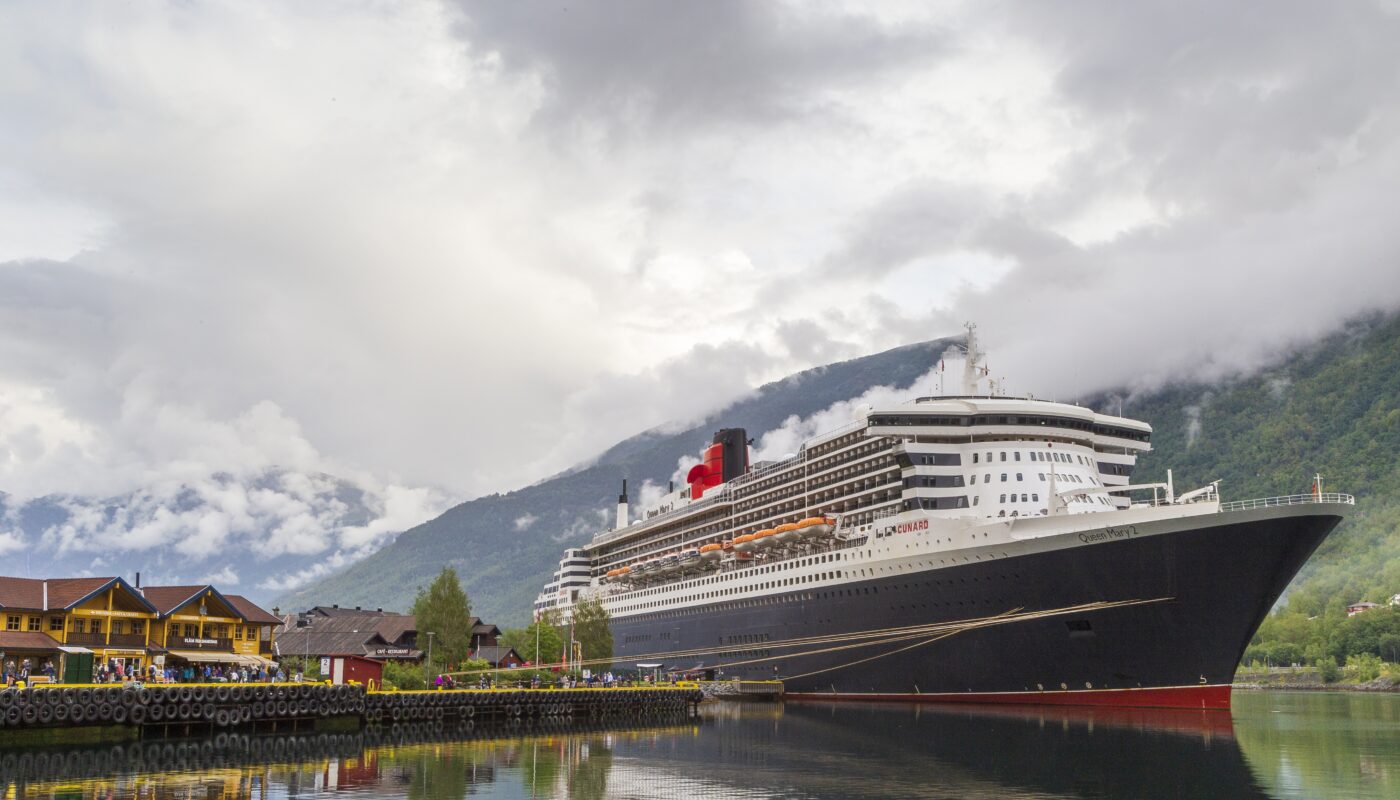
Fog softens the landscape, rain enhances textures, and clouds add intensity to the sky. These elements bring a sense of mood that transforms an ordinary scene into something cinematic.
In fact, fjords often look more authentic and dramatic when conditions are slightly rough. Clear skies can flatten the scene, while mist and cloud layers create depth and intrigue.
Focus on Atmosphere Instead of Detail
When visibility drops, you won’t always be able to capture the entire landscape. Instead of fighting this limitation, use it to your advantage.
Allow fog or rain to hide parts of the scene. This creates a layered effect where foreground elements appear sharp, while background features fade into softness. The result is a natural sense of depth.
Rather than trying to show everything, aim to suggest it. A partially hidden mountain or a waterfall emerging from mist often feels more powerful than a fully visible view.
Simplify Your Composition
Bad weather naturally removes distractions. Busy backgrounds disappear, leaving behind clean shapes and lines.
This is the perfect time to simplify your compositions:
- Focus on one main subject
- Use empty space to emphasize scale
- Highlight strong silhouettes
For example, a single cabin beside a fjord, surrounded by fog, can create a more compelling image than a wide, cluttered landscape.
Minimalism thrives in poor weather conditions.
Use Weather to Tell a Story
Every type of weather carries emotion. Learning to use that emotion can elevate your photography.
- Fog can suggest quietness or mystery
- Rain can add energy and movement
- Dark clouds can create tension or drama
Think about the feeling you want your image to convey. Instead of avoiding rain, include it in your frame—ripples on water, wet rocks, or streaks of rainfall can add life to your composition.
Photography is not just about what you see; it’s about what you make the viewer feel.
Take Advantage of Soft Lighting
Cloud cover acts like a giant diffuser, spreading light evenly across the scene. This eliminates harsh shadows and reduces extreme contrasts.
Soft light is especially useful for:
- Capturing textures in rocks and vegetation
- Photographing waterfalls without blown highlights
- Maintaining balanced exposure across the frame
However, too much flat light can make images appear dull. To counter this:
- Look for natural contrasts (dark cliffs against lighter fog)
- Slightly increase contrast during editing
- Shoot when light shifts subtly through clouds
Even a brief break in the clouds can create beautiful lighting variations.
Experiment with Longer Exposure Times
Bad weather often pairs perfectly with long exposure photography.
By slowing down your shutter speed, you can:
- Smooth out water surfaces for a calm, glassy look
- Turn moving clouds into soft streaks
- Blur rainfall or mist for an artistic effect
A tripod is essential for this technique, especially in low-light conditions.
Long exposures bring motion into your images, adding a dreamlike quality that enhances the natural beauty of fjords.
Keep Your Equipment Protected
Shooting in rain and mist requires extra care, but it shouldn’t stop you from working.
Here are a few simple precautions:
- Use a waterproof cover or improvised protection
- Attach a lens hood to keep droplets off the glass
- Carry a cloth to wipe your lens regularly
- Avoid swapping lenses in wet conditions
Even basic gear can handle light moisture if you’re cautious. Preparation ensures you don’t miss important moments when the weather shifts.
Choose Lenses That Match the Conditions
Different weather calls for different focal lengths.
Wide-angle lenses are great for capturing the scale of fjords, especially when you want to include dramatic skies and foreground elements.
Telephoto lenses, on the other hand, are ideal in foggy or rainy conditions. They allow you to:
- Isolate distant details
- Compress layers of mountains and mist
- Focus on patterns and textures
Switching between these perspectives can help you build a more diverse and interesting collection of images.
Strengthen Your Foreground
When the background fades due to fog or rain, the foreground becomes even more important.
Look for elements that anchor your composition:
- Rocks along the shoreline
- Boats or docks
- Vegetation or flowers
- Pathways or fences
A strong foreground creates depth and gives the viewer a clear entry point into the image.
Consider Shooting in Black and White
Bad weather often reduces the vibrancy of colors, but it enhances contrast and texture.
This makes it an excellent opportunity for black-and-white photography.
Without color, the viewer focuses on:
- Shapes and lines
- Light and shadow
- Texture and atmosphere
Scenes that appear dull in color can become powerful and expressive when converted to monochrome.
Be Patient and Observe Changes
Fjord weather can shift quickly. What looks like a dull, gray scene can transform within minutes.
Fog may lift, revealing hidden peaks. A break in the clouds might allow light to hit a specific area of the landscape.
Patience is key. Stay in one location longer than you normally would and watch how the environment evolves.
Often, the best images happen between moments—right as the weather transitions.
Adjust Your Camera Settings for Conditions
Low light and changing weather require flexibility in your camera settings.
Keep these adjustments in mind:
- Increase ISO when necessary to maintain proper exposure
- Use a tripod to keep images sharp at slower shutter speeds
- Monitor your exposure carefully, especially in foggy scenes
Mist and clouds can confuse your camera’s metering system, so reviewing your shots and making adjustments is essential.
Capture Reflections After Rain
Rain can enhance the reflective qualities of water surfaces. After a shower, fjords often appear calmer and more mirror-like.
Look for reflections of:
- Mountains
- Clouds
- Shorelines
These reflections can add symmetry and balance to your composition, making your images more visually engaging.
Plan Ahead—but Stay Flexible
While planning is important, flexibility matters even more when photographing fjords.
Check weather forecasts, but don’t rely on them completely. Conditions can change rapidly, especially in mountainous regions.
Prepare alternative shooting locations and be ready to adapt. Sometimes, moving just a short distance can reveal completely different weather conditions.
Final Thoughts: Finding Beauty in Unpredictability
Photographing fjords in bad weather is not about overcoming difficulties—it’s about embracing them.
Rain, fog, and clouds are not obstacles. They are creative tools that can help you produce images with depth, emotion, and atmosphere.
When you stop chasing perfect conditions and start working with what nature gives you, your photography becomes more expressive and unique.
The next time you find yourself standing in the rain or surrounded by mist, don’t pack up your camera. Stay, observe, and shoot.
Because in fjord landscapes, the most extraordinary images often come from the most unexpected conditions.