 by
by There are few travel experiences as awe-inspiring as stepping onto a glacier while surrounded by dramatic fjord landscapes. Towering cliffs, deep blue waters, and vast rivers of ice combine to create one of the most striking environments on Earth. Glacier hiking near fjords is not just an outdoor activity—it’s an immersive encounter with powerful natural forces shaped over thousands of years.
Destinations like Norway, Iceland, and New Zealand are especially known for offering this unique combination of fjords and glaciers. These regions provide accessible routes, guided tours, and unforgettable scenery that draws adventurers from around the world.
If you’re considering a glacier hike in a fjord region, understanding what to expect can make your experience safer, more enjoyable, and far more meaningful.
What Makes Glacier Hiking Near Fjords Unique
Glacier hiking on its own is already a remarkable activity, but when combined with fjord landscapes, the experience becomes even more dramatic.
Deep, narrow inlets created by glacial erosion are known as fjords. Over time, massive glaciers carved valleys that later filled with seawater, creating steep cliffs and calm waterways. Today, some glaciers still exist near these fjords, flowing slowly down from mountain ranges toward the sea.
This means that when you hike on a glacier near a fjord, you’re essentially walking on the very force that shaped the landscape around you.
Unique Features Include:
- Panoramic views of fjords from elevated ice surfaces
- Contrasting scenery of ice, water, and greenery
- Constantly changing terrain due to melting and movement
- A strong sense of scale and isolation
Few places offer such a powerful combination of natural elements.
Popular Glacier Hiking Regions Near Fjords
Norway’s Fjord Region
Western Norway is one of the most famous destinations for glacier hiking near fjords. Areas around Jostedalsbreen—the largest glacier on mainland Europe—offer guided hikes suitable for various skill levels.
Nearby fjords such as Sognefjord create a stunning backdrop, where icy landscapes meet deep blue waters.
Iceland’s Glacier Lagoons and Fjords
Iceland is another top destination, known for its dramatic volcanic and glacial terrain. Glaciers like Vatnajökull are easily accessible and often located near fjord-like coastal inlets.
The contrast between black volcanic rock and bright blue ice creates a surreal environment unlike anywhere else.
New Zealand’s South Island
On the South Island of New Zealand, glaciers such as Franz Josef Glacier and Fox Glacier descend toward temperate rainforest regions near coastal fjords like Milford Sound.
This rare combination of ice and lush greenery makes the experience visually unique.
What Glacier Hiking Actually Feels Like
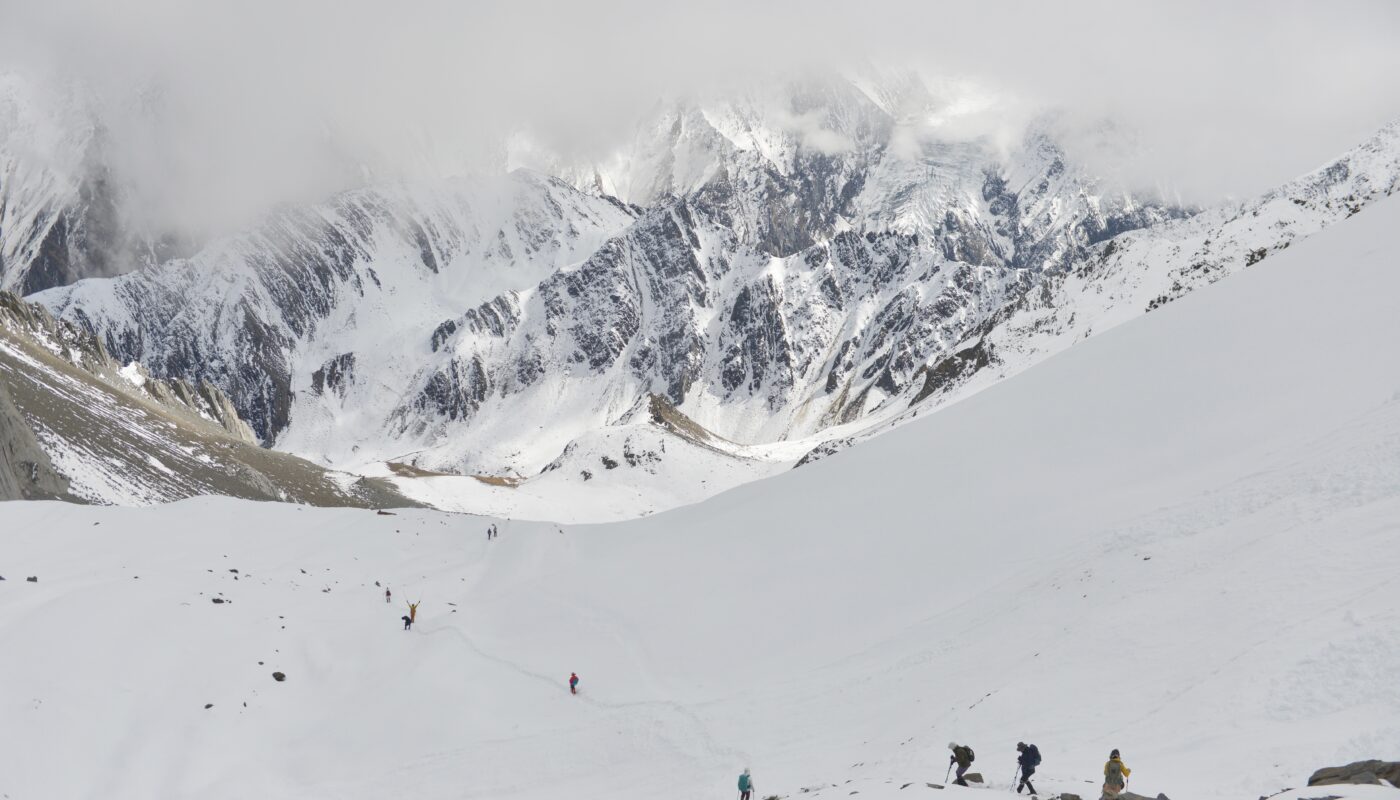
Many first-time hikers imagine glaciers as smooth, flat ice fields. In reality, they are rugged, dynamic, and constantly shifting landscapes.
When you step onto a glacier, you’ll notice:
- Crunching ice beneath your boots
- Deep crevasses cutting through the surface
- Meltwater streams flowing across the ice
- Shades of blue ranging from pale to intensely vivid
The terrain can vary from relatively stable sections to uneven, jagged areas that require careful navigation.
Walking on a glacier feels both thrilling and humbling. You become acutely aware that you’re standing on a living, moving body of ice.
Essential Gear for Glacier Hiking
Safety is a top priority when hiking on glaciers. Specialized equipment is required to navigate the terrain safely.
Common Gear Includes:
- Crampons: Metal spikes attached to boots for traction on ice
- Ice axe: Used for balance and safety
- Helmet: Protects against falling ice or debris
- Harness and rope: Used in more advanced or crevasse-prone areas
Most guided tours provide this equipment and ensure it is properly fitted.
Clothing is equally important. Layering is essential, as temperatures can change rapidly. Waterproof outerwear, gloves, and sturdy hiking boots are highly recommended.
The Importance of Guided Tours
Glacier hiking is not an activity to attempt alone unless you have advanced mountaineering experience.
Glaciers are constantly changing, and hidden dangers such as crevasses or unstable ice can pose serious risks. Guided tours are strongly recommended for safety and education.
Benefits of Guided Tours:
- Expert navigation through safe routes
- Knowledge about glacier formation and climate change
- Proper use of equipment
- Immediate assistance in case of emergencies
Guides also enhance the experience by explaining the science and history behind the landscape.
Weather and Environmental Conditions
Weather plays a major role in glacier hiking experiences, especially in fjord regions where conditions can change quickly.
What to Expect:
- Sudden shifts from sunshine to rain or fog
- Strong winds at higher elevations
- Cold temperatures even in summer
Fjord environments often create microclimates, meaning conditions can vary significantly within a short distance.
Flexibility is important—tours may be adjusted or rescheduled depending on weather conditions.
Physical Requirements and Difficulty Levels
Glacier hikes are available for different fitness levels, from beginner-friendly walks to more challenging expeditions.
Beginner Tours:
- Short duration (2–4 hours)
- Gentle slopes
- Minimal technical skills required
Advanced Tours:
- Longer duration (full-day or multi-day)
- Steeper terrain
- Rope work and technical climbing
Even beginner hikes require a moderate level of fitness and comfort walking on uneven surfaces.
Safety Considerations
Glaciers are beautiful but potentially dangerous environments. Understanding risks is essential.
Common Hazards:
- Crevasses hidden beneath snow
- Falling ice or الصخور
- Slippery surfaces
- Rapid weather changes
Following your guide’s instructions is critical. Safety measures are designed to minimize risk while allowing you to enjoy the experience.
Environmental Responsibility
Glaciers are extremely sensitive ecosystems, and human activity can impact them.
When hiking:
- Avoid leaving any waste behind
- Stick to designated routes
- Respect wildlife and surrounding environments
Climate change is already causing glaciers to retreat at alarming rates. Visiting these places responsibly helps preserve them for future generations.
The Emotional Experience
Beyond the physical aspects, glacier hiking near fjords offers a powerful emotional experience.
Standing on ancient ice while overlooking a fjord creates a sense of perspective. It reminds you of the scale of nature and the passage of time.
Many travelers describe the experience as:
- Humbling
- Peaceful
- Inspiring
It’s not just about adventure—it’s about connection.
Best Time to Go Glacier Hiking
The ideal time for glacier hiking depends on the region, but generally falls between late spring and early autumn.
Seasonal Highlights:
- Summer: Best accessibility and stable weather
- Spring/Autumn: Fewer crowds and unique lighting conditions
- Winter: Limited access but stunning лед formations
Always check local conditions and tour availability before planning your trip.
Combining Glacier Hiking with Fjord Exploration
One of the biggest advantages of hiking near fjords is the ability to combine multiple experiences in one trip.
You can:
- Take a boat tour through a fjord
- Hike on a nearby glacier
- Explore mountain trails and viewpoints
This combination creates a well-rounded adventure that showcases the full beauty of the region.
Final Thoughts
Glacier hiking near fjords is one of the most unforgettable ways to experience nature’s power and beauty. It offers a rare opportunity to walk on ancient ice while surrounded by some of the most dramatic landscapes on Earth.
From the crunch of crampons on ice to the sweeping views of fjords below, every moment is filled with discovery and awe.
With proper preparation, guidance, and respect for the environment, this experience becomes more than just an adventure—it becomes a lasting memory of nature at its most extraordinary.