 by
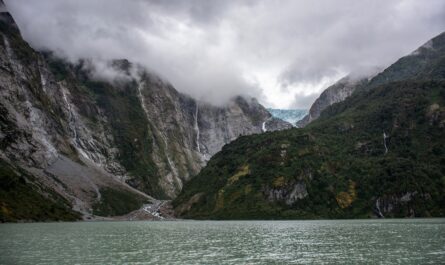
by Few destinations in the world are as instantly recognizable and visually dramatic as Milford Sound in New Zealand. Surrounded by steep rainforest-covered cliffs, carved by glaciers, and filled with waterfalls that plunge directly into deep dark waters, it is often described as one of the most beautiful fjords on Earth.
But when planning a visit, travelers face an important decision:
Should you take a Milford Sound day trip or go for an overnight cruise?
Both options offer unforgettable scenery, but the experience, pace, cost, and atmosphere are very different. Choosing the right one depends on your travel style, budget, and how deeply you want to experience this remote wilderness.
This guide breaks down both options in detail to help you decide which is better for your trip.
Understanding Milford Sound First
Milford Sound is located within Fiordland National Park in the southwest of New Zealand’s South Island. Despite being called a “sound,” it is technically a fjord carved by ancient glaciers.
What makes it unique:
- Towering cliffs rising over 1,000 meters
- Permanent waterfalls fed by heavy rainfall
- Deep, dark waters reflecting mountains like a mirror
- Wildlife such as seals, dolphins, and penguins
- Extremely remote access via a long mountain road or flight
Most visitors arrive from Queenstown or Te Anau, often as part of organized tours.
Because of its remote location, the journey itself is a major part of the experience.
Option 1: Milford Sound Day Trip
The most popular method to see Milford Sound is on a day tour. It usually includes a long scenic drive (or flight), followed by a 1–2 hour cruise through the fjord, and then a return journey the same day.
What a typical day trip looks like
- Early morning departure from Queenstown or Te Anau
- Scenic stops along Milford Road (mirror lakes, valleys, waterfalls)
- Arrival at Milford Sound terminal
- Short cruise through the fjord
- Return journey in the evening
This option is efficient and fits into a tight itinerary.
What You Get on a Day Trip
A day cruise focuses on the key highlights of Milford Sound.
You will typically experience:
- Close views of Mitre Peak
- Stirling Falls and Bowen Falls
- Steep cliffs rising directly from the water
- Seals resting on rocks
- Occasional dolphins or birdlife
The cruise itself is short but intense, usually lasting around 90–120 minutes.
The journey to and from Milford is equally important, as the road passes through some of the most scenic alpine landscapes in New Zealand.
Advantages of a Day Trip
1. Time-efficient
A day trip allows you to experience Milford Sound in a single day without needing extra accommodation.
2. More affordable
It is significantly cheaper than an overnight cruise, making it ideal for budget-conscious travelers.
3. Great for tight itineraries
If you are traveling around New Zealand with limited time, this option fits easily into a packed schedule.
4. Scenic road journey included
You still experience the famous Milford Road, which many consider one of the most beautiful drives in the world.
Disadvantages of a Day Trip
1. Crowds
Milford Sound is extremely popular during the day. Multiple boats operate at the same time, especially in peak season, which can make the fjord feel busy.
2. Short time on the water
The cruise itself is relatively brief, meaning you only get a snapshot of the fjord.
3. Long travel day
From Queenstown, the round trip can take 10–12 hours, making it a very long day on the road.
4. Limited atmosphere experience
You miss the quiet evening and early morning hours when the fjord is at its most peaceful.
Option 2: Milford Sound Overnight Cruise
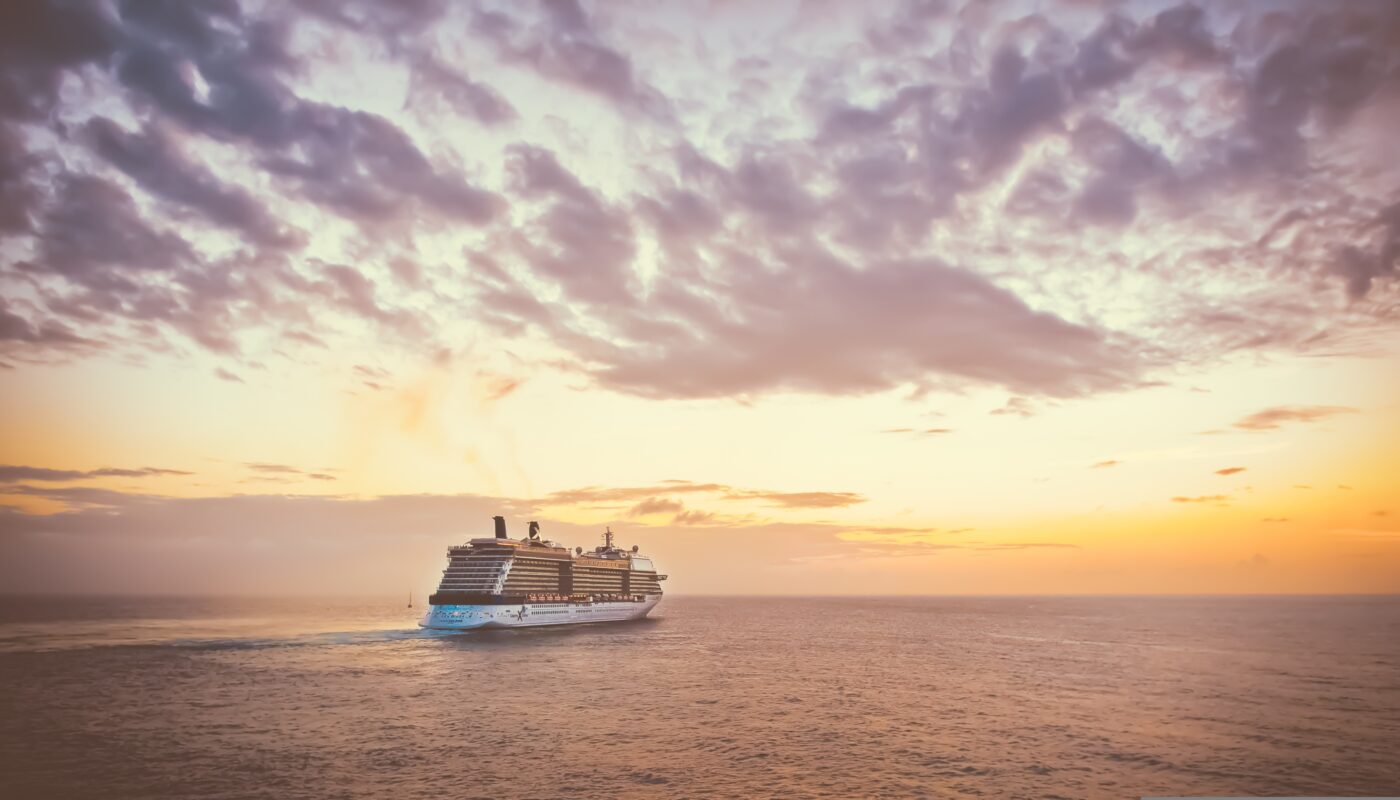
An overnight cruise offers a completely different way to experience the fjord. Instead of leaving after a short visit, you stay on a vessel anchored within Milford Sound.
You arrive in the afternoon, cruise through the fjord in the evening, spend the night onboard, and wake up surrounded by still waters and towering cliffs.
What an Overnight Cruise Looks Like
A typical overnight experience includes:
- Afternoon boarding of a small cruise vessel
- Evening sailing through Milford Sound
- Dinner onboard while anchored in the fjord
- Overnight stay in a private or shared cabin
- Early morning kayaking or exploration (in some tours)
- Breakfast before returning to port
The entire experience usually lasts 18–24 hours.
Unlike day trips, overnight cruises are smaller and more intimate, often with limited passengers.
What You Get on an Overnight Cruise
An overnight stay transforms your experience completely:
- Sunset and sunrise inside the fjord
- Quiet waters after day-trip boats leave
- Star-filled skies with almost no light pollution
- Close wildlife encounters in the early morning
- A slower, more immersive connection with nature
The atmosphere becomes dramatically different once the crowds disappear.
Advantages of an Overnight Cruise
1. Fewer crowds
Once day visitors leave, the fjord becomes peaceful and quiet.
2. Unique lighting conditions
Sunset and sunrise create softer, more dramatic views of cliffs and waterfalls.
3. More wildlife opportunities
Seals, penguins, and birds are more active during quiet hours.
4. Deeper experience
Instead of a quick visit, you spend extended time immersed in the environment.
5. On-water accommodation
You don’t just visit Milford Sound—you sleep inside it.
Disadvantages of an Overnight Cruise
1. Higher cost
Overnight cruises are significantly more expensive than day trips.
2. Limited availability
Cabins are limited and often book out months in advance.
3. Smaller, basic accommodation
Cabins are comfortable but not luxurious.
4. Weather dependency
Rain, wind, and sea conditions can affect comfort during the night.
5. Less flexible itinerary
It requires at least two days in your travel plan.
Day Trip vs Overnight Cruise: Key Differences
| Feature | Day Trip | Overnight Cruise |
|---|---|---|
| Duration | 1 day | 2 days / 1 night |
| Cost | Lower | Higher |
| Crowd level | Busy | Very quiet |
| Accommodation | Not included | Onboard cabin |
| Water experience | Short cruise | Extended immersion |
| Wildlife chances | Moderate | Higher (early/late hours) |
| Flexibility | High | Lower |
| Scenic timing | Daylight only | Sunset, night, sunrise |
Which One Is Better?
The answer depends entirely on your travel style.
Choose a Day Trip if:
- You are short on time
- You want a budget-friendly option
- You prefer structured, easy travel
- You are visiting multiple places in New Zealand
- You mainly want the iconic Milford views
A day trip gives you a great overview of Milford Sound in a single visit.
Choose an Overnight Cruise if:
- You want a deeper, slower travel experience
- You dislike crowds and busy tourist areas
- You enjoy nature, silence, and photography
- You have extra time in your itinerary
- You want to experience Milford at sunset and sunrise
An overnight cruise offers a much more immersive connection with the fjord.
What Most Travelers Don’t Realize
Many visitors assume Milford Sound is just about the cruise itself. But in reality, the timing of your visit changes everything.
- Midday = busy, tour-heavy experience
- Evening = quiet, golden light, fewer boats
- Night = total silence and stargazing
- Morning = mist, calm water, and wildlife activity
This is why overnight travelers often describe the experience as completely different from day visitors—even though they are in the same place.
Final Verdict
There is no single “best” option—it depends on what you value more.
- If you want efficiency, affordability, and convenience, the day trip is the best choice.
- If you want silence, atmosphere, and immersion, the overnight cruise is unbeatable.
In simple terms:
A day trip shows you Milford Sound.
An overnight cruise lets you feel it.