 by
by Some journeys are memorable for where they take you. Others stay with you because of how they make you feel. The ferry route between Flåm and Gudvangen in Norway manages to do both effortlessly.
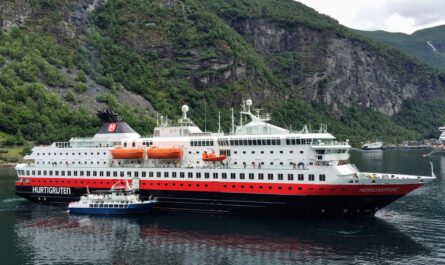
Traveling through the heart of the Norwegian fjords, this boat journey offers an immersive experience through one of the most dramatic natural landscapes in Europe. Towering cliffs, deep blue waters, and cascading waterfalls surround you on all sides, creating a setting that feels both powerful and peaceful at the same time.
Unlike many scenic routes that require hiking or driving to viewpoints, this journey allows you to experience the grandeur of the fjords directly from the water—slowly, calmly, and without interruption.
Starting Point: The Quiet Beauty of Flåm
The journey begins in Flåm, a small village tucked at the end of the Aurlandsfjord. Though modest in size, Flåm plays a significant role in Norwegian tourism as a gateway to fjord exploration.
The village sits between steep mountains and deep water, creating a natural amphitheater-like setting. Despite its popularity, Flåm retains a calm and relaxed atmosphere, especially in the early morning when the water is still and the air feels fresh.
From here, ferries set out into the fjord system, leaving behind the sheltered village and entering a landscape shaped by glaciers, time, and erosion.
Cruising Through Aurlandsfjord: A Gentle Introduction
The first part of the journey takes place on the Aurlandsfjord, a wide and serene branch of the larger Sognefjord system. This section acts as a gentle introduction to the dramatic scenery ahead.
On both sides of the fjord, steep green mountains rise sharply from the water’s edge. Small farms and isolated homes appear scattered along the slopes, often in locations that seem almost impossible to reach.
Waterfalls are a constant feature here, especially during spring when melting snow feeds streams that cascade down the rock faces. The atmosphere is calm, almost meditative, as the boat glides smoothly across the water.
This stretch allows travelers to ease into the experience, gradually preparing them for the more dramatic scenery ahead.
Entering Nærøyfjord: The Heart of the Journey
After leaving the Aurlandsfjord, the ferry enters the Nærøyfjord, and the entire atmosphere shifts dramatically.
This is where the journey becomes truly unforgettable.
The Nærøyfjord is one of the narrowest fjords in Europe and part of a UNESCO World Heritage Site recognized for its outstanding natural beauty. The mountains on either side rise steeply, often more than a thousand meters above sea level, while the fjord narrows to just a few hundred meters in width.
As the boat moves deeper into this section, the scale of the landscape becomes almost overwhelming. The cliffs feel closer, the shadows deeper, and the sense of isolation stronger.
It is a place where nature feels both immense and intimate.
A Landscape Carved by Ice and Time
What makes the Nærøyfjord so striking is not just its appearance, but its origin.
The fjord was formed by glaciers over thousands of years, carving deep valleys into the bedrock before being flooded by the sea. This geological history is visible everywhere—from the steep walls to the sharp contours of the landscape.
Every turn reveals another layer of this ancient process. The cliffs seem to rise straight from the water, while narrow ledges host tiny patches of greenery clinging to life.
It is a reminder of how powerful natural forces can shape entire regions over time.
Life on the Fjord: Remote and Remarkable
Despite its remote and rugged appearance, the fjord is not empty. Scattered along its edges are small farms, isolated homes, and tiny settlements that have existed for generations.
These communities have adapted to a life closely connected to nature. Many locations are accessible only by boat or steep mountain paths, reinforcing the sense of isolation.
Occasionally, you may spot traditional wooden houses perched on narrow strips of land or tucked into valleys between cliffs. These are not tourist decorations but real homes, shaped by necessity and history.
This human presence adds depth to the journey, showing how people have lived in harmony with such a challenging environment.
Waterfalls, Weather, and Constant Movement
One of the most captivating aspects of the ferry route is how dynamic the landscape feels.
Waterfalls appear frequently along the cliffs, sometimes thin and delicate, other times powerful and roaring. Their intensity depends on the season and weather conditions.
In spring and early summer, melting snow feeds countless streams that pour down the mountainsides. After rainfall, the fjord becomes even more dramatic, with water flowing everywhere across the rock faces.
Weather also plays a major role in shaping the experience. Mist can drift through the valleys, softening the outlines of the mountains and creating a dreamlike atmosphere. On clear days, however, the contrast between water, rock, and sky becomes incredibly sharp.
No two journeys ever feel exactly the same.
Onboard Experience: Slow Travel at Its Finest
The ferries operating between Flåm and Gudvangen are designed specifically for sightseeing. Large windows, open deck spaces, and comfortable seating ensure that passengers can fully absorb the surroundings.
Unlike fast-paced transportation, this journey is intentionally slow. The boat glides quietly through the fjord, allowing time to observe, reflect, and photograph the scenery.
There is a sense of stillness onboard, as passengers often fall into silence, absorbed by the view outside. The experience becomes less about movement and more about presence.
Seasonal Changes Along the Route
The beauty of the Flåm ferry route changes dramatically with the seasons, offering different experiences throughout the year.
Summer
Summer is the most popular time to travel:
- Lush green mountains
- Full, powerful waterfalls
- Long daylight hours
- Frequent departures
The fjord feels vibrant and alive during this season.
Spring and Autumn
These shoulder seasons offer a quieter experience:
- Fewer visitors
- Soft natural lighting
- Autumn colors or fresh spring greenery
- Calm and reflective atmosphere
Many travelers prefer these months for their balance of beauty and tranquility.
Winter
Winter transforms the fjord into a stark and peaceful world:
- Snow-covered peaks
- Reduced tourist activity
- Crisp, quiet surroundings
- Short daylight hours
It is a more remote and contemplative version of the journey.
Why This Boat Trip Stands Out in Europe
There are many scenic boat routes across Europe, but the Flåm–Gudvangen ferry stands apart for several reasons.
Immersion in Nature
Instead of viewing the landscape from a distance, you travel directly through it, surrounded by cliffs and water on all sides.
Accessibility for All Travelers
No hiking, climbing, or special preparation is required. The experience is open to almost everyone.
Constantly Changing Scenery
The fjord is never static. Light, weather, and perspective continuously reshape what you see.
Sense of Scale
The towering cliffs and narrow passages create a humbling feeling, reminding you of the immense scale of nature.
Connecting the Journey with the Wider Fjord Region
The ferry route is often part of a larger exploration of Norway’s fjord region. Many travelers combine it with:
- The Flåm Railway, known for its steep mountain descent
- Scenic viewpoints overlooking the Aurlandsfjord
- Hiking trails above the fjords for panoramic perspectives
Together, these experiences offer a complete picture of one of Europe’s most dramatic natural regions.
Final Thoughts
The Flåm ferry route between Flåm and Gudvangen is not just a means of transportation—it is an experience that immerses you in one of the most breathtaking landscapes in the world.
It captures everything that makes the Norwegian fjords special: towering mountains, deep waters, remote villages, and an overwhelming sense of natural scale.
What stays with you is not just what you see, but how it feels to move slowly through such a powerful environment. There is calm in the water, silence in the air, and a quiet sense of wonder in every direction.
In a world that often moves too quickly, this journey offers something rare: the chance to slow down and simply observe one of nature’s greatest masterpieces unfold around you.