 by
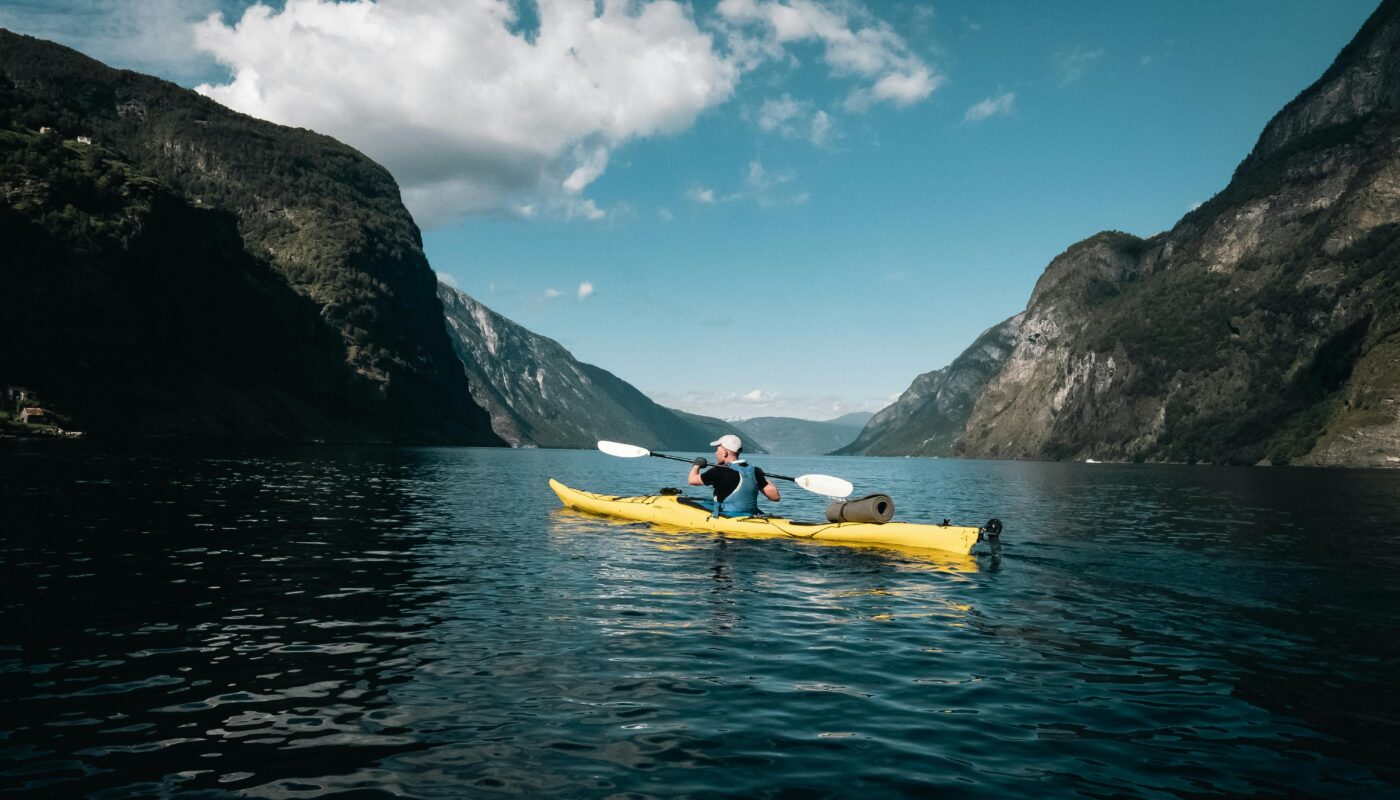
by Exploring Canada’s fjords by kayak is one of the most immersive ways to experience the country’s coastal wilderness. These waterways—carved by ancient glaciers and framed by steep cliffs—offer a sense of scale and silence that few landscapes can match. But while the scenery may look calm and inviting, fjord kayaking is very different from paddling on a lake or river.
The experience may be both exhilarating and daunting for novices. Cold water, shifting tides, unpredictable winds, and remote surroundings all demand preparation and awareness. With the right approach, however, it becomes an unforgettable adventure rather than a risky outing.
This guide walks you through everything you need to know before your first kayaking trip in Canadian fjords.
Understanding What Makes Fjord Kayaking Different
A fjord is not just a scenic inlet—it is a deep, narrow body of water shaped by glaciers over thousands of years. In Canada, these environments are especially prominent along the Pacific coast and in parts of Quebec.
What sets fjord kayaking apart is the combination of natural forces at play:
- Water is often extremely cold, even in summer
- Tides can influence water direction and speed
- Wind can funnel through valleys and intensify quickly
- Shorelines are steep and often difficult to land on
Even when the surface appears calm, conditions beneath and around you can change rapidly. This makes preparation more important than raw paddling ability.
Where Beginners Should Start in Canada
Not all fjords are suitable for first-time paddlers. Some require experience navigating open ocean conditions, while others offer sheltered waters that are more forgiving.
Saguenay Fjord (Quebec)
This is one of the most beginner-friendly fjord environments in the country. Certain sections are wide, relatively protected, and commonly used for guided tours. It also offers opportunities to observe marine wildlife in a controlled setting.
Coastal Inlets of British Columbia
Areas such as Clayoquot Sound and parts of Howe Sound offer mixed conditions. Some sections are calm and sheltered by islands, making them suitable for beginners when guided properly.
Vancouver Island Surroundings
Select coastal zones provide accessible kayaking routes, though conditions can change quickly depending on exposure.
For your first experience, the safest choice is always a sheltered area with guided supervision rather than remote, open fjord waters.
Why Beginners Should Paddle With a Guide
While it is technically possible to kayak independently in some fjord regions, beginners benefit significantly from guided trips.
A guided experience typically provides:
- Local knowledge of tides, currents, and weather patterns
- Safety supervision throughout the journey
- Equipment suited to cold-water conditions
- Instruction on paddling techniques and emergency response
In fjord environments, conditions can shift quickly and unexpectedly. A guide reduces uncertainty and helps you focus on learning rather than constantly managing risk.
Essential Gear for Fjord Conditions
One of the most important aspects of fjord kayaking is equipment selection. Unlike recreational kayaking in warm, shallow waters, fjords require gear designed for cold exposure and remote environments.
Core Equipment
- A properly fitted personal flotation device (PFD)
- A stable sea kayak suited for open water
- Paddle with spare or backup option if possible
- Spray skirt for sit-inside kayaks
- Dry bags for essentials
- Basic navigation tools
Clothing: The Critical Layer
In fjord environments, water temperature matters more than air temperature. Even on warm days, falling into the water can be dangerous due to rapid heat loss.
Recommended clothing approach:
- Thermal base layers that retain warmth when wet
- Insulating mid-layer depending on conditions
- Waterproof outer shell for wind and spray protection
- Neoprene gloves and footwear or a full drysuit in colder months
The key principle is simple: dress for immersion, not for sunshine.
Skills Every Beginner Should Learn Before Going
You don’t need to be an expert to enjoy fjord kayaking, but you should be comfortable with a few basic skills before entering open water.
Forward and Reverse Paddling
These allow you to maintain control and direction in varying conditions.
Turning Techniques
Efficient turning helps you adjust quickly when currents or wind shift your course.
Bracing for Stability
A technique used to prevent capsizing when balance is challenged by waves.
Controlled Exit and Re-Entry
Knowing how to safely exit a kayak and re-enter it in deep water is essential in case of capsizing.
Even basic familiarity with these skills greatly improves safety and confidence.
Hidden Challenges in Fjord Environments
Fjords may appear peaceful, but they contain several environmental challenges that beginners often underestimate.
Cold Water Risk
One of the most serious dangers is sudden immersion in cold water. It can cause immediate physical shock, making breathing and movement difficult.
Wind Acceleration
Wind can behave unpredictably in narrow valleys, suddenly increasing wave activity.
Tidal Movement
Water levels and flow direction can shift with the tide, affecting your speed and control.
Glacier Influence
In regions close to glaciers, floating ice and sudden calving events can create waves or debris in the water. Maintaining distance is crucial.
Understanding these risks helps you stay aware rather than reactive.
Planning Your First Kayaking Trip
Preparation plays a major role in safety and enjoyment.
Share Your Plan
Always inform someone about your route, departure time, and expected return.
Check Conditions Thoroughly
Look at weather forecasts, wind speeds, and tidal charts before heading out.
Avoid Solo Trips
Beginners should always paddle with at least one other person or a guided group.
Keep the First Trip Short
Your initial experience should focus on familiarization rather than distance or endurance.
Starting small builds confidence without overwhelming you.
Common Mistakes Beginners Make
Many issues in fjord kayaking come from assumptions rather than lack of ability.
Overconfidence from Lake Kayaking
Skills from calm inland waters do not always translate to fjord conditions.
Ignoring Weather Changes
Conditions can shift within minutes, especially in coastal regions.
Underestimating Physical Effort
Paddling against wind or current is significantly more tiring than expected.
Poor Gear Choices
Using recreational equipment instead of sea-ready gear increases risk.
Awareness of these mistakes helps you avoid unnecessary challenges.
Wildlife and Environmental Respect
Canadian fjords are home to diverse wildlife, including seals, seabirds, and occasionally whales. Seeing these animals in their natural environment is often a highlight of the journey.
However, it is important to:
- Maintain a respectful distance
- Avoid chasing or disturbing animals
- Follow local conservation guidelines
These ecosystems are fragile, and responsible kayaking ensures they remain undisturbed.
Best Time of Year to Go Kayaking
Fjord kayaking is seasonal, with the most suitable period typically falling between late spring and early autumn.
Summer Season
- Most stable weather
- Longer daylight hours
- Ideal for beginners
Shoulder Seasons
- Fewer crowds
- Cooler temperatures
- More unpredictable conditions
For a first experience, calm summer conditions are generally the safest and most comfortable.
Guided vs Independent Kayaking
Guided Trips
- Ideal for beginners
- Include instruction and safety support
- Remove logistical uncertainty
Independent Trips
- Require experience and strong planning skills
- Suitable only for confident paddlers
Most beginners should start with guided tours before considering independent exploration.
Final Thoughts: Learning to Respect the Water
Kayaking in Canadian fjords is not just an outdoor activity—it is an introduction to one of the most powerful natural environments in North America. The experience can be deeply rewarding, but only when approached with preparation and respect.
Beginners who take the time to learn basic skills, choose appropriate locations, and prioritize safety will find themselves rewarded with quiet waters, dramatic landscapes, and moments of connection that are difficult to replicate elsewhere.
Start slowly, stay aware, and let experience build naturally. In fjord country, confidence is earned one paddle stroke at a time.