 by
by Few places on Earth feel as distant and mysterious as the fjords of Greenland. Photos often show colossal icebergs drifting through glassy water, cliffs rising straight out of the sea, and glaciers breaking apart with dramatic force. It’s the kind of scenery that instantly earns a place on travel wish lists.
But unlike more accessible destinations, visiting Greenland is not simple. Flights are limited, costs are high, and plans can change quickly due to weather or ice conditions. This raises a practical question that many travelers quietly wonder:
Is the experience truly worth the time, money, and effort required to get there?
This article takes a balanced, realistic look at Greenland’s fjords—highlighting not only their appeal, but also the challenges you should be prepared for.
What Makes Greenland’s Fjords So Different?
Fjords exist in several parts of the world, including Norway and New Zealand, but Greenland’s versions feel fundamentally different.
First, there is the scale. The fjord systems here stretch for vast distances, with some extending hundreds of kilometers inland. A well-known example is Scoresby Sund, often considered the largest fjord system on the planet. It is so expansive that exploring it can feel like navigating a frozen maze.
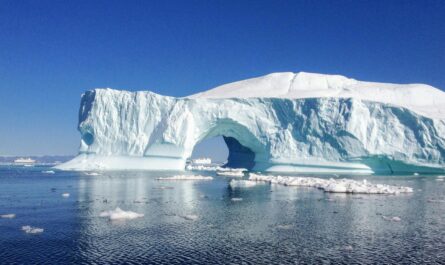
Then there is the ice. In places like Ilulissat Icefjord, enormous icebergs drift continuously from nearby glaciers. These are not small fragments—they can be as tall as buildings and constantly reshape the landscape as they move.
Finally, there is the sense of isolation. Unlike other fjord destinations, Greenland’s coastline remains sparsely populated. Large stretches have no roads, no towns, and no visible signs of human activity.
Together, these elements create an environment that feels less like a tourist destination and more like an untouched natural system.
The Strongest Reasons to Go
1. A Landscape That Feels Almost Unreal
Many travelers struggle to describe Greenland’s fjords accurately because they don’t resemble typical scenic locations.
Instead of a single viewpoint, you experience:
- Endless layers of ice and rock
- Constant movement as icebergs shift and rotate
- Light that changes dramatically depending on time of day and weather
Even those who have visited well-known natural wonders often find Greenland’s scenery to be on a different level—not necessarily “better,” but certainly more overwhelming.
2. A Rare Sense of True Remoteness
Modern travel has made most destinations easier to reach, which often comes with crowds and commercialization. Greenland remains an exception.
In many fjord regions:
- You may go hours without seeing another group
- Infrastructure is minimal or nonexistent
- The environment feels largely untouched
This kind of isolation is increasingly rare. For some travelers, it is the main reason to go.
3. Encounters With Untamed Wildlife
Greenland’s fjords are home to a variety of Arctic species. What makes these encounters special is their unpredictability.
You might see:
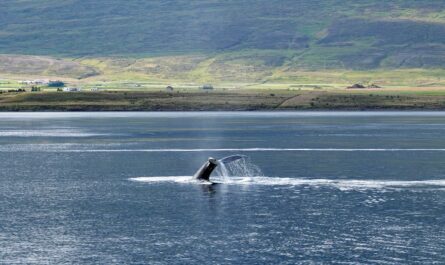
- Whales surfacing near drifting ice
- Seals resting on floating icebergs
- Birds nesting along steep cliffs
Unlike structured wildlife tours elsewhere, these moments happen naturally. There are no guarantees, which makes each sighting more meaningful.
4. A Shift in Perspective
Spending time in Greenland often changes how people think about nature and scale.
Standing in a fjord surrounded by massive ice formations highlights:
- The slow passage of geological time
- The power of natural forces
- The relatively small role humans play in such environments
For many visitors, this is one of the most lasting impressions of the trip.
The Real Challenges You Should Not Ignore
While the rewards are significant, Greenland is not an easy destination. Understanding the downsides is essential before making a decision.
1. High Costs Across the Board
Traveling to Greenland requires a substantial financial commitment.
Expenses typically include:
- International and regional flights
- Accommodation in limited supply
- Guided excursions or boat trips
- Specialized clothing for cold conditions
Even basic travel arrangements can be expensive, and more remote experiences—such as expeditions into fjord systems—can significantly increase the cost.
For many travelers, this is the biggest barrier.
2. Complex and Unpredictable Travel Logistics
Getting to Greenland often involves multiple steps, and delays are not uncommon.
You may need to:
- Take connecting flights through different countries
- Adjust plans due to weather conditions
- Rely on boats or small aircraft for final access
Once you arrive, moving between locations is not always straightforward. Flexibility is essential, as rigid schedules rarely work well in this environment.
3. Weather Can Shape the Entire Experience
Greenland’s climate plays a major role in what you see and do.
Conditions can change quickly, leading to:
- Reduced visibility due to fog
- Delayed excursions
- Altered routes because of ice movement
Even during peak travel seasons, there is no guarantee of clear skies or ideal conditions. Travelers must be prepared to adapt.
4. Limited Comfort Compared to Mainstream Destinations
Greenland is not designed for luxury tourism in the traditional sense.
Depending on your location, you may encounter:
- Simple accommodations
- Limited dining options
- Basic services
For some, this simplicity adds to the authenticity of the experience. For others, it may feel restrictive.
5. Physical and Environmental Demands
Exploring fjords often involves more than passive sightseeing.
Activities may include:
- Walking on uneven terrain
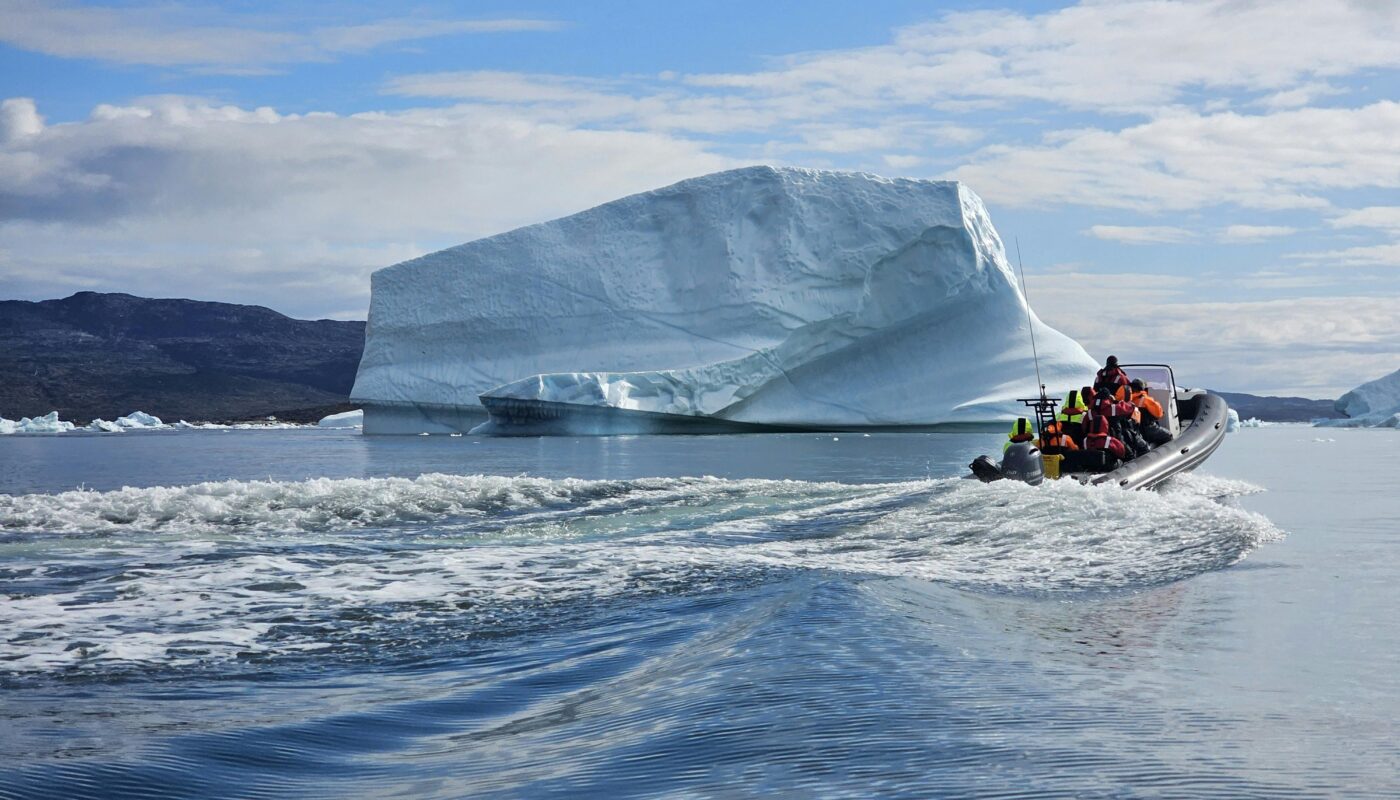
- Boarding small boats in cold conditions
- Spending extended time outdoors
While not extreme, these conditions require a reasonable level of fitness and preparedness.
Who Will Truly Appreciate Greenland Fjords?
The value of this experience depends heavily on your travel style.
It is likely worth it if you:
- Seek rare, less-visited destinations
- Enjoy raw, unfiltered nature
- Are comfortable with uncertainty
- View travel as an experience rather than a checklist
It may not be ideal if you:
- Prefer convenience and predictability
- Expect polished tourism infrastructure
- Are working with a limited budget
- Want a fast-paced itinerary with constant activity
Being honest about your expectations is key.
Common Misconceptions
Many travelers approach Greenland with assumptions that don’t hold up in reality.
“It will be like other fjord destinations”
Greenland’s scale and remoteness set it apart from places like Norway.
“The views will always be perfect”
Weather and ice conditions can limit visibility at times.
“It’s just about scenery”
The experience is as much about atmosphere and isolation as it is about visuals.
Recognizing these differences helps prevent disappointment.
Weighing the Effort Against the Reward
Greenland’s fjords represent a clear trade-off.
What you invest:
- Time
- Money
- Flexibility
- Patience
What you gain:
- Access to one of the least-altered environments on Earth
- A sense of space and silence rarely found elsewhere
- Experiences that feel genuinely unique
Few destinations demand as much—but few offer as much in return.
Final Verdict: Is It Worth It?
Yes—but only for the right kind of traveler.
Greenland’s fjords are not designed for convenience. They require effort, adaptability, and a willingness to step outside your comfort zone. But for those who embrace these challenges, the experience can be deeply rewarding.
Rather than offering polished perfection, Greenland offers something more meaningful: authenticity. The landscapes are not curated, the encounters are not staged, and the journey itself becomes part of the story.
If you’re looking for ease, there are many other destinations that will satisfy you.
But if you’re looking for something rare—something that feels truly different—then Greenland’s fjords are not just worth the effort.
They are unforgettable.