 by
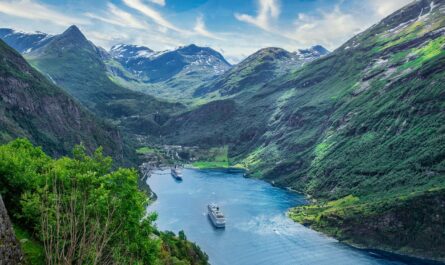
by Kayaking through fjords is one of the most immersive ways to experience nature. Unlike large cruise ships or busy sightseeing platforms, a kayak allows travelers to move quietly through narrow waterways surrounded by towering cliffs, waterfalls, glaciers, forests, and remote coastlines. The silence of paddling across calm fjord waters creates opportunities to witness wildlife in ways that often feel intimate and unforgettable.
Fjords are among the richest natural environments on Earth because they combine freshwater, saltwater, mountain ecosystems, forests, and marine habitats within a relatively small area. These unique conditions support an extraordinary variety of wildlife both above and below the waterline.
Depending on the region, kayakers may encounter:
- Whales
- Dolphins
- Seals
- Sea otters
- Eagles
- Puffins
- Penguins
- Bears
- Mountain goats
- Rare seabirds
Wildlife encounters in fjords often feel especially magical because the landscapes themselves are so dramatic. Seeing a whale surface beneath snow-covered mountains or watching eagles soar above glacier-fed waters creates moments that remain vivid long after the journey ends.
While no wildlife sighting can ever be guaranteed, understanding which animals inhabit fjord ecosystems helps kayakers appreciate the incredible biodiversity these landscapes support.
Why Fjords Support So Much Wildlife
Fjords are highly productive ecosystems.
Originally carved by glaciers, fjords tend to be:
- Deep
- Cold
- Nutrient-rich
- Sheltered from large ocean waves
Glacier meltwater and river systems transport nutrients into fjord waters, supporting plankton growth that becomes the foundation of complex food chains.
These food systems attract:
- Fish
- Marine mammals
- Seabirds
- Coastal predators
The surrounding mountains and forests also create diverse habitats for land animals and birds.
Because many fjords remain relatively remote and undeveloped, wildlife populations often thrive with less human disturbance than in heavily urbanized coastal areas.
Whales: The Giants of Fjord Waters
One of the most exciting possibilities while kayaking in fjords is spotting whales.
Several whale species regularly visit fjord systems around the world depending on season and location.
Humpback Whales
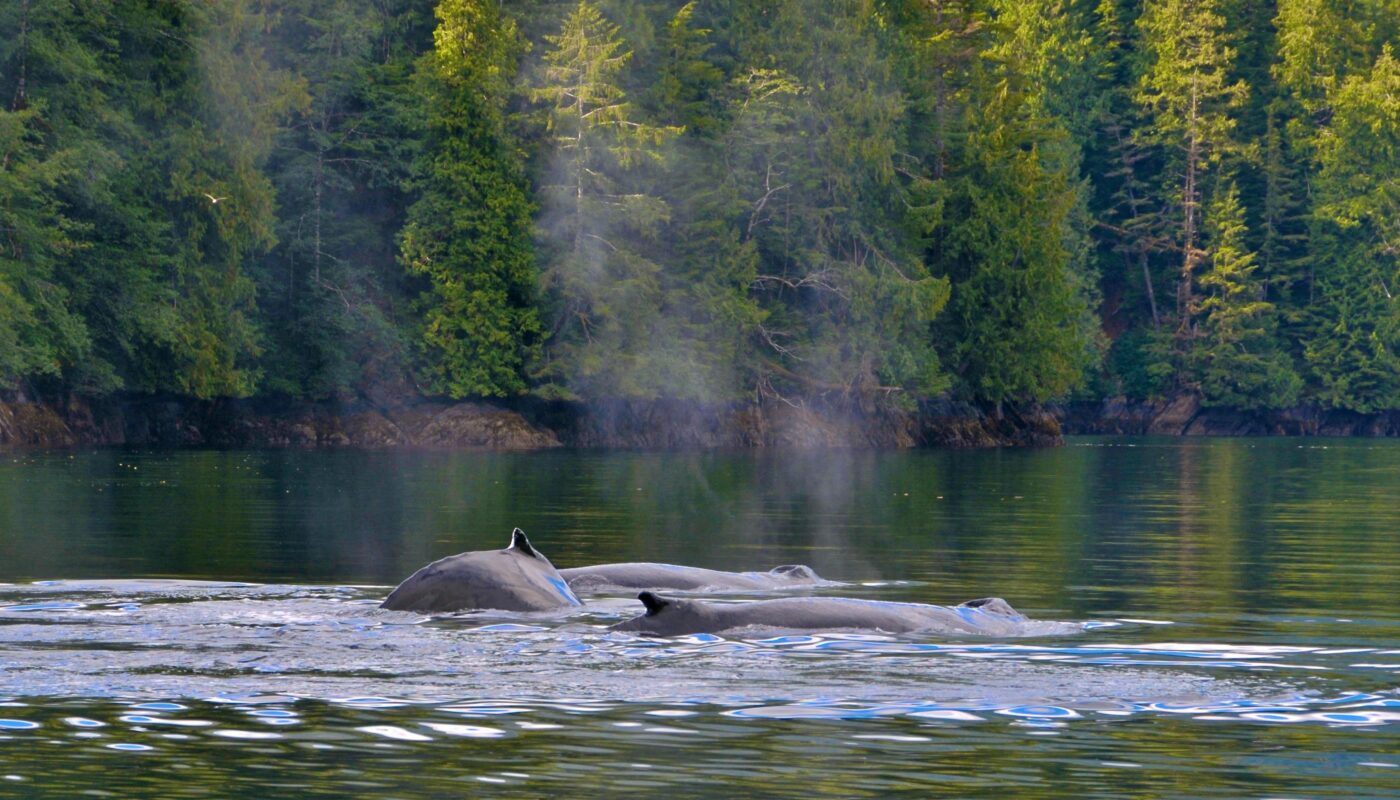
Humpback whales are among the most commonly observed species in fjord regions such as:
- Alaska
- Norway
- Iceland
- Greenland
- British Columbia
These whales often enter fjords to feed on schools of fish and krill.
Kayakers may witness:
- Tail slaps
- Breaching
- Surface feeding
- Deep dives
Humpbacks are especially famous for their dramatic surfacing behavior and enormous tails.
Seeing one emerge quietly beside a fjord kayak can feel both humbling and surreal.
Orcas
Orcas, also known as killer whales, are another iconic fjord species.
These intelligent predators travel in family groups called pods and may appear in fjords while hunting fish or marine mammals.
Orcas are commonly spotted in:
- Norwegian fjords
- Canadian fjords
- Alaskan coastal waterways
Their striking black-and-white appearance makes them instantly recognizable.
Although encounters are often brief, they leave lasting impressions because of the animals’ speed, intelligence, and coordinated movements.
Minke Whales
Smaller and more elusive than humpbacks, minke whales also inhabit many fjord ecosystems.
They surface quietly and can be difficult to spot, but patient kayakers sometimes observe them feeding calmly in sheltered waters.
Dolphins and Porpoises
Many fjord regions support dolphin and porpoise populations.
These playful marine mammals are often among the most interactive animals kayakers encounter.
Harbor Porpoises
Harbor porpoises are small, shy marine mammals frequently seen in northern fjords.
Unlike dolphins, they tend to surface quietly and avoid large splashes.
Their subtle behavior makes sightings feel special because they often appear unexpectedly beside kayaks before disappearing silently beneath the water.
Dolphins
In some fjord systems, dolphins may:
- Swim alongside kayaks
- Leap from the water
- Travel in social groups
Dolphins are especially common in fjord regions connected to nutrient-rich coastal waters.
Their curiosity and playful behavior often create memorable interactions for paddlers.
Seals: The Most Common Marine Mammals
Seals are among the animals kayakers are most likely to encounter in fjords.
These adaptable marine mammals thrive in cold coastal environments and often use rocky shorelines or floating ice for resting.
Harbor Seals
Harbor seals are common throughout many fjord ecosystems.
Kayakers frequently spot them:
- Floating in calm water
- Resting on rocks
- Watching quietly from a distance
Seals are naturally curious and may observe kayakers cautiously while keeping a safe distance.
Elephant Seals and Fur Seals
In certain southern fjord regions, larger seal species may also appear.
These animals often gather in colonies along remote coastlines.
Their presence adds to the feeling of exploring untamed wilderness environments.
Sea Otters: Floating Symbols of Coastal Wilderness
Sea otters are among the most beloved fjord animals, especially in Alaska and parts of Canada.
These marine mammals spend much of their lives floating on the water’s surface.
Kayakers may observe sea otters:
- Resting in kelp forests
- Cracking shellfish
- Grooming their fur
- Carrying pups
Sea otters are particularly fascinating because of their intelligence and playful behavior.
Their thick fur allows them to survive in cold fjord waters without the heavy blubber layers used by seals and whales.
Eagles and Birds of Prey
Fjord cliffs and forests create ideal habitats for large birds of prey.
Bald Eagles
Bald eagles are especially common in:
- Alaska
- British Columbia
- Northern fjord coastlines
These powerful birds often perch high above fjords scanning for fish.
Kayakers may witness eagles:
- Diving toward the water
- Gliding over cliffs
- Nesting in tall coastal trees
The combination of dramatic mountain scenery and soaring eagles creates some of the most iconic fjord imagery.
White-Tailed Eagles
In Norwegian fjords, white-tailed eagles fill a similar ecological role.
These massive birds are among Europe’s largest raptors and are frequently seen near coastal fjords.
Puffins and Seabirds
Many fjords support rich seabird populations due to abundant fish supplies and protected nesting areas.
Puffins
Puffins are among the most recognizable seabirds in northern fjord regions.
Their colorful beaks and clumsy but charming behavior make them favorites among wildlife enthusiasts.
Puffins often nest on:
- Coastal cliffs
- Rocky islands
- Remote fjord coastlines
Kayakers may spot them diving underwater in search of fish.
Cormorants and Guillemots
Other common seabirds include:
- Cormorants
- Guillemots
- Arctic terns
- Gulls
Large seabird colonies often create lively coastal scenes filled with movement and sound.
Bears Along Fjord Shorelines
In some fjord regions, kayakers may occasionally spot bears along the shoreline.
Brown Bears and Grizzlies
In Alaska and parts of British Columbia, brown bears sometimes forage near fjords during salmon runs.
They may appear:
- Along river mouths
- On beaches
- Near forest edges
Observing bears from the water can feel extraordinary because kayaks allow quiet access to remote areas.
However, maintaining safe distances remains critically important.
Black Bears
Black bears also inhabit some coastal fjord forests and may occasionally appear near shorelines searching for food.
Mountain Goats and Deer
The steep cliffs surrounding fjords often support surprisingly agile land animals.
Mountain Goats
In alpine fjord regions, mountain goats navigate rocky slopes with remarkable ease.
Their white coats can sometimes blend into snowy terrain, making them difficult to spot at first.
Deer and Elk
Lower coastal forests near fjords may also support:
- Deer
- Elk
- Moose in certain northern regions
Early mornings and evenings often provide the best opportunities for sightings.
Penguins in Southern Fjords
In fjord systems of southern Chile and Patagonia, kayakers may encounter penguins.
Species such as:
- Magellanic penguins
- Gentoo penguins in subantarctic regions
sometimes appear along fjord coastlines.
Their presence adds another unique dimension to southern hemisphere fjord ecosystems.
Fish Beneath the Surface
Although less visible than larger animals, fjord waters contain rich fish populations.
Depending on location, fjords may support:
- Salmon
- Cod
- Halibut
- Herring
- Arctic char
These fish populations sustain many larger predators including whales, seals, dolphins, and seabirds.
In exceptionally clear water, kayakers may occasionally glimpse fish schools beneath their boats.
Wildlife Behavior Changes With Seasons
Wildlife activity varies greatly throughout the year.
Spring and Summer
Warmer months often bring:
- Breeding activity
- Bird nesting
- Whale migrations
- Increased fish abundance
This period generally offers the best wildlife viewing opportunities.
Autumn
Autumn may feature:
- Salmon runs
- Predator activity
- Bird migrations
Winter
Winter fjords become quieter, though certain marine mammals and seabirds remain active year-round.
The Importance of Responsible Wildlife Viewing
Wildlife encounters are most rewarding when approached respectfully.
Kayakers should always:
- Maintain safe distances
- Avoid sudden movements
- Minimize noise
- Never feed animals
- Follow local wildlife regulations
Approaching wildlife too closely can:
- Cause stress
- Disrupt feeding behavior
- Separate mothers from young
- Alter natural activity patterns
Responsible kayaking helps preserve fjord ecosystems for future generations.
Why Kayaking Offers Unique Wildlife Experiences
Kayaks provide wildlife opportunities that larger vessels often cannot.
Because kayaks are:
- Quiet
- Low to the water
- Small
- Flexible
they allow paddlers to move gently through natural habitats without creating major disturbances.
This often results in:
- Closer observations
- More natural animal behavior
- Greater immersion in the environment
The slower pace of kayaking also encourages travelers to notice subtle details that might otherwise be missed.
Safety Considerations
While fjord wildlife encounters are exciting, safety remains essential.
Travelers should:
- Use experienced guides when necessary
- Respect weather conditions
- Understand local wildlife behavior
- Carry proper equipment
Certain animals, especially bears and large marine mammals, require extra caution and awareness.
Climate Change and Fjord Wildlife
Many fjord ecosystems are being affected by climate change.
Impacts include:
- Glacier retreat
- Ocean warming
- Shifting fish populations
- Habitat changes
These environmental changes may alter wildlife behavior and migration patterns over time.
Protecting fjord ecosystems therefore becomes increasingly important for biodiversity conservation.
Final Thoughts
Kayaking through fjords offers far more than scenic beauty alone. It provides opportunities to witness some of the planet’s most remarkable wildlife within landscapes shaped by glaciers, mountains, forests, and oceans.
From humpback whales surfacing beside towering cliffs to sea otters floating peacefully in kelp forests, fjord wildlife encounters create unforgettable connections between travelers and the natural world.
Every fjord ecosystem is different, but all share one powerful quality: they remind people how richly interconnected nature can be when marine and mountain environments meet.
For many travelers, the wildlife seen while kayaking in fjords becomes just as memorable as the landscapes themselves — moments of quiet wonder experienced not through distant observation, but from the peaceful surface of the water itself.