 by
by Kayaking in fjords is one of the most breathtaking outdoor experiences available to adventurers of all skill levels. Imagine gliding across mirror‑like waters, surrounded by soaring cliffs carved by ancient glaciers, cascading waterfalls, and possibly the cry of seabirds overhead—this is the magic of fjord kayaking. Whether you’re planning your first trip or simply curious about what makes fjords the ultimate kayaking destination, this guide will walk you through everything you need to know.
What Are Fjords?
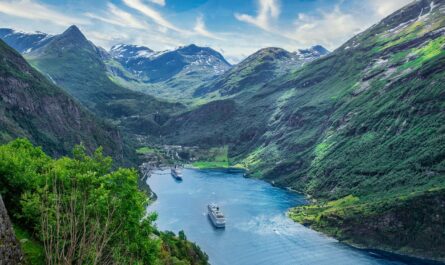
Fjords are long, narrow coastal inlets created by glacial erosion. Carved over thousands of years, they are characterized by steep rock walls and deep waters that stretch far inland. You’ll find spectacular fjords in countries like Norway, New Zealand, Chile, Canada, Greenland, and even in parts of Alaska.
Unlike rivers or calm lakes, fjords are shaped by glaciers, making their landscapes dramatic and unique. This geological history also influences how water behaves within them—something every beginner kayaker should understand before setting out.
Why Kayak in Fjords?
Kayaking in fjords offers a combination of serenity, challenge, and visual splendor. Here’s what makes fjord kayaking stand out:
🌊 Unmatched Scenery
The towering cliffs, deep turquoise waters, and hidden coves make fjords one of the most picturesque environments on Earth.
🛶 Close‑Up Nature Encounters
Unlike larger boats, kayaks allow you to quietly slip into intimate places where wildlife thrives—seal colonies, sea eagles, and even dolphins or whales in some regions.
🚣 Accessible for Beginners
While fjord conditions can vary, many fjord waters are relatively calm, making them suitable for first‑time kayakers under proper guidance.
🧘 A Mindful Experience
Kayaking encourages presence and focus, offering a peaceful connection to nature that few other activities can match.
Is Fjord Kayaking Safe for Beginners?
Yes—with the right preparation. Fjords vary widely. Some are placid bays perfect for novices, while others can have strong currents or unpredictable winds.
You Should Know:
✔ Fjord waters are deep and cool year‑round.
✔ Weather can change quickly.
✔ Tides and currents can affect navigation.
✔ Unlike rivers, fjords can have open ocean exposure.
The key is to choose beginner‑friendly routes, understand basic safety, and, ideally, kayak with a group or guide.
Choosing the Right Location
Not all fjords are created equal. For beginners, prioritize locations known for calmer waters, accessible launch points, and available support services.
Excellent Fjord Destinations for Beginners
- Norwegian Fjords – Norway
The world’s most famous fjords, like Geirangerfjord and Nærøyfjord, offer sheltered waterways, organized tour options, and breathtaking views. - Milford Sound & Doubtful Sound – New Zealand
Protected waters within Fiordland National Park provide spectacular cliffs and waterfalls with relatively gentle paddling conditions. - Kenai Fjords – Alaska, USA
Guided kayak cruises around the fjord’s borders during slower summer months provide opportunities to see wildlife and get close to glaciers without having to deal with deep-sea conditions. - Saguenay Fjord – Quebec, Canada
One of the longest fjords in the world, this area features tranquil sections ideal for guided beginner paddles. - Patagonian Fjords – Chile
While more advanced due to weather, some sheltered inlets offer calm waters and incredible scenery for prepared paddlers.
Essential Gear for Fjord Kayaking
Getting equipped properly ensures comfort and safety. Here’s what you’ll need:
🛶 Kayak
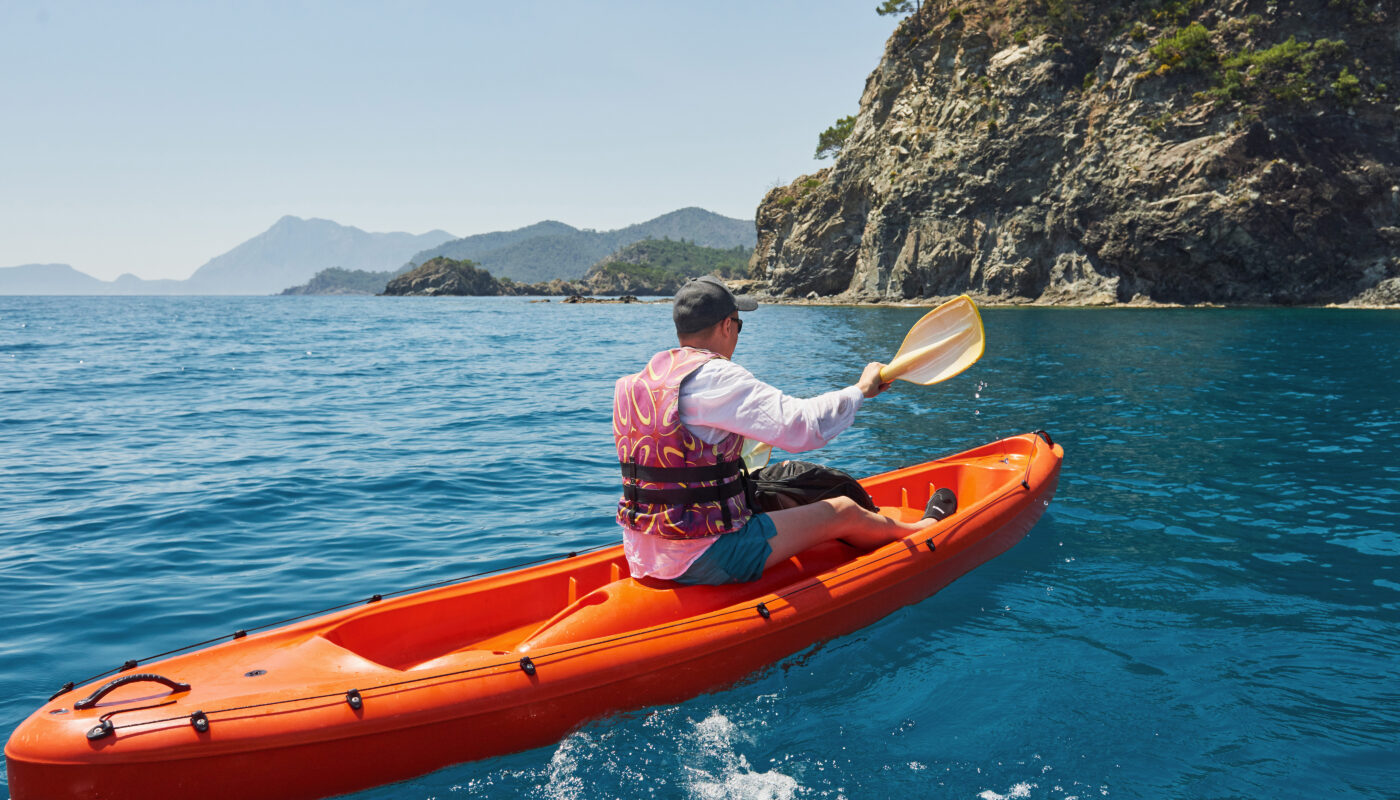
- Recreational Kayaks: Stable, easy to control, perfect for beginners.
- Sea Kayaks: Better for longer journeys or rougher waters.
👕 Clothing
- Wetsuit or Dry Suit: Fjord water is cold (often below 15°C/59°F).
- Waterproof Layers: Wind can chill you fast.
- Hat & Sunglasses: UV reflection off water is intense.
🧰 Safety Gear
- Personal Flotation Device (PFD): Must be worn at all times.
- Whistle: For emergency signaling.
- Helmet: Recommended in rocky or windy fjord conditions.
🚀 Navigation & Tools
- Map or GPS
- Compass
- Mobile Phone in Waterproof Case
- Bilge Pump: For removing water from kayak.
🍎 Supplies
- Water & Snacks
- First Aid Kit
- Sunblock
Beginner Kayaking Skills You Should Practice
Before launching into a fjord, spend time mastering basic skills:
1. Forward Stroke
The most fundamental paddle stroke—practice smooth, alternating strokes.
2. Reverse Stroke
Essential for slowing and stopping.
3. Turning Strokes
Learn sweep strokes (wide arcs) to turn efficiently.
4. Bracing
This helps prevent capsizing in waves or wakes.
5. Self‑Rescue Techniques
Even in calm fjords, always be prepared to re‑enter your kayak from the water.
These abilities can be acquired through basic kayaking classes or at nearby lakes.
Understanding Fjord Water & Weather
Unlike calm lakes, fjords interact with ocean tides and weather systems.
🌬 Wind
Fjords can act like funnels—winds accelerate between steep cliffs. Early mornings are usually calmer.
🌊 Tides & Currents
In some fjords, incoming and outgoing tides can create strong flows. Check tide tables before heading out.
☁ Weather Changes
Conditions can shift rapidly. A sunny morning can become cloudy and windy in an hour.
Pro Tip: ALWAYS check local weather and tidal forecasts before kayaking.
Planning Your First Fjord Kayaking Trip
🗺 Step 1: Research Your Location
- Are there guided tours?
- What’s the average water condition?
- Are shelters or campsites available?
Local tour operators can be a great resource—especially for beginners.
📅 Step 2: Choose the Right Season
Most fjord regions are best in:
- Summer months (Northern Hemisphere): June–September
- Late spring to early autumn (Southern Hemisphere): November–March
Avoid kayaking in fjords during storms or high winds.
👍 Step 3: Start Small
Begin with short, guided trips before planning longer, independent routes.
📍 Step 4: Know Your Exit Points
Always have a clear plan for where you’ll end your paddle—and multiple options in case conditions change.
Guided Tours vs. Independent Kayaking
🧭 Guided Tours
Best For: Absolute beginners
Benefits:
- Professional instruction
- Safety gear included
- Local route knowledge
- Often includes wildlife and cultural insights
Guided tours are an excellent way to build confidence and skills.
🏕 Independent Kayaking
Best For: Those with experience and gear
Benefits:
- Freedom to explore
- Set your own pace
- More immersive adventure
Independent trips require good navigation skills, planning, and respect for local conditions.
Common Fjord Kayaking Routes for Beginners
Here are sample routes that beginners often enjoy:
1. Protected Bays and Inlets
These areas are sheltered from open ocean wind and currents—perfect for your first fjord paddle.
2. Short Point‑to‑Point Excursions
Kayak from a scenic harbor to a waterfall or wildlife viewing spot. Close to shorelines and easy to return.
3. Multi‑Day Outings (With Camping)
For the adventurous: kayak during the day, camp on the shore at night. Requires planning, permits, and camping gear.
Wildlife & Nature You Might See
Kayaking in fjords gives you a front‑row seat to incredible wildlife:
- Seals
- Sea Eagles
- Porpoises
- Dolphins
- Whales (in deeper fjord waters)
- Mountain Goats (on cliff faces)
- Rare Alpine Flora
Respect wildlife by keeping distance and maintaining quiet paddling.
Tips to Make Your Experience Easier
✔ Start Early: Mornings are typically calmer.
✔ Eat & Hydrate: Cold air can mask thirst.
✔ Use a Dry Bag: Keep valuables and layers protected from spray.
✔ Travel with a Buddy: Two kayaks are safer than one.
✔ Slow & Steady: Enjoy the scenery—kayaking isn’t a race!
Frequently Asked Questions
Q: Do I need prior kayaking experience to kayak in fjords?
A: Not necessarily. Many fjords have calm sections perfect for beginners, especially when guided.
Q: What if I capsize?
A: Practice self‑rescue and wet exits with an instructor before your trip. Always wear a PFD.
Q: How cold is the water?
A: Fjord water is cold year‑round. In many fjords it averages between 5–15°C (41–59°F). Dress appropriately.
Q: Can children kayak in fjords?
A: Yes—under supervision. Youth should use properly sized kayaks and PFDs.
Final Thoughts
Kayaking in fjords is more than a sport—it’s a gateway to wonder. For beginners, it offers peaceful paddling, unforgettable scenery, wildlife encounters, and a sense of accomplishment. With the right preparation, gear, and respect for nature, your first fjord kayaking adventure can be both safe and extraordinary.
So pack your paddle, embrace the calm of the water, and get ready to explore some of the world’s most beautiful waterways. The fjords are calling—and you must go!