 by
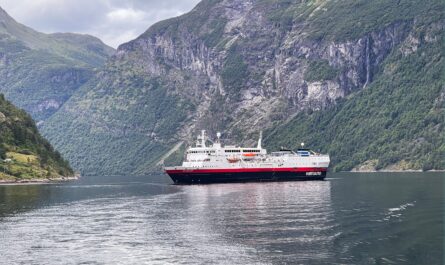
by I still remember the moment the ferry slipped away from the dock, leaving the village of Geiranger behind. The water mirrored the jagged cliffs, dotted with waterfalls cascading like threads of silver. There’s something magical about being on a ferry in a fjord—the slow hum of the engines, the crisp scent of ice-cold water, and the realization that mountains rise straight from the sea like nature’s own skyscrapers. For anyone seeking the ultimate blend of adventure, relaxation, and breathtaking scenery, ferry routes through fjords are an unmatched way to explore.
Over the past few years, I’ve had the privilege of navigating some of the most famous and off-the-beaten-path fjord ferry routes in the world. From Norway’s legendary waterways to hidden gems accessed only by local ferries, the experience combines travel, photography, and a deep appreciation for landscapes shaped over millennia.
Geiranger to Hellesylt: Norway’s Iconic Fjord Passage
Our journey began on one of Norway’s most famous ferry routes: Geiranger to Hellesylt. The UNESCO-listed Geirangerfjord is nothing short of spectacular. As the ferry curved around the S-shaped fjord, waterfalls like the Seven Sisters leapt from the cliffs, and tiny farms clung precariously to slopes that seemed impossible to cultivate.
From the deck, I could see the dramatic contrast between deep emerald water and sheer gray rock walls. It was the kind of scenery photographers dream of. The ferry slowed at Hellesylt, and passengers snapped photos endlessly, but the real magic was the way the fjord unfolded gradually, revealing new surprises with each turn.
Why this route is unforgettable:
- Towering waterfalls visible from deck, including Bridal Veil and Suitor Falls.
- Remote villages providing a sense of human history against the raw backdrop.
- Serene waters offering perfect reflections of the cliffs and sky.
Even standing quietly at the bow, I felt connected to centuries of travelers who had navigated these waters long before tourism became a focus.
Kaupanger to Gudvangen: The Narrow Fjord Adventure
A few days later, I boarded the Kaupanger–Gudvangen ferry, a route cutting through Sognefjord into the dramatic Nærøyfjord. This stretch is narrower than Geirangerfjord, and the cliffs feel almost claustrophobic in their grandeur. Standing on deck, I felt dwarfed by the vertical walls of rock that seemed to rise straight from the water.
The Nærøyfjord is particularly spectacular because its walls are sheer and unforgiving, and waterfalls cascade in constant streams. The ferry moved steadily, giving everyone time to absorb every detail—the old farms perched on impossible ledges, small islands in the fjord, and the occasional white-tailed eagle circling high above.
Highlights of this route:
- Deep, narrow fjords offering dramatic photographic opportunities.
- Historical farms visible only from the water.
- Opportunities to spot wildlife, from birds to seals.
The combination of natural grandeur and tranquility makes this route a must for anyone wanting to immerse themselves in fjord culture.
Bergen to Flåm: A Full-Day Fjord Journey
Some journeys are meant to stretch the day, and the Bergen to Flåm ferry, part of the “Norway in a Nutshell” tour, is a perfect example. Here, fjords feel endless. You start in the coastal city of Bergen, then slowly navigate into the quieter interior waters of Sognefjord and Aurlandsfjord. The mountains gradually close in, glaciers peek from behind cliffs, and every bend reveals a new vista.
This longer journey allows passengers to experience fjords on multiple scales—from open, placid stretches to narrow, dramatic channels. It also provides a sense of how locals live in these remote areas, with villages and farms visible only from the water.
Why it’s memorable:
- Multi-hour exposure to fjord landscapes.
- Glacier-capped peaks and cascading waterfalls provide variety.
- Integration with rail or bus tours enhances the sense of adventure.
By the time we reached Flåm, I felt like I had traveled through an entire universe of fjord experiences, each distinct yet connected by the calm waters.
Short Scenic Cruises: Aurlandsfjord and Nærøyfjord
For travelers with less time, shorter fjord cruises are ideal. Departing from Flåm or Gudvangen, these two-hour tours focus purely on fjord scenery. Unlike longer routes, there is no need to worry about schedules or vehicle transport—the ferry is purely for sightseeing.
I remember sitting with a warm cup of coffee as the ferry wound its way through narrow passages. The Aurlandsfjord offered broad, placid stretches, while Nærøyfjord delivered jaw-dropping narrow corridors, waterfalls, and forests clinging to impossible slopes.
Perks of short scenic ferries:
- Focused sightseeing without transport concerns.
- Perfect for photographers or travelers seeking intense natural beauty.
- Frequent wildlife sightings in calmer waters.
It’s a concentrated version of the fjord experience, delivering maximum impact in minimal time.
Modern and Sustainable Ferry Experiences
Some ferry routes now combine scenic beauty with sustainability. For example, the Lavik–Oppedal route features MV Ampere, the world’s first battery-electric car ferry. Gliding silently across the water, I felt even more immersed in the fjord environment. There was no engine roar—just the soft lap of water and the distant cries of seabirds.
These modern ferries show how Norway balances tourism, innovation, and environmental responsibility, allowing visitors to enjoy the scenery without harming the delicate fjord ecosystem.
Everyday Local Ferries: Hidden Gems
Not all fjord ferries are tourist-focused. I discovered that smaller, local ferries like Arasvika–Hennset or Øysang also offer stunning scenery. These short trips are primarily functional, connecting villages, but they reveal intimate fjord landscapes often overlooked by major tour operators.
On one of these ferries, I observed local fishermen preparing nets and children waving from shoreline cottages. The experience reminded me that fjords are not just scenic backdrops—they are living, breathing communities.
Why these local ferries matter:
- Authentic, everyday fjord experience.
- Smaller vessels allow closer interaction with shorelines and wildlife.
- Opportunities to see traditional Norwegian life in action.
These shorter, quieter routes are perfect for travelers who want scenery and culture simultaneously.
Tips for Experiencing Fjord Ferries
- Choose the right season: Summer brings long daylight, waterfalls at peak flow, and greenery. Spring and early autumn offer dramatic skies and fewer crowds.
- Stay on deck when possible: Views from the waterline are often superior to any land viewpoint.
- Bring binoculars: Wildlife and remote farms are easier to appreciate with magnification.
- Capture light and reflections: Early morning or late afternoon light offers calm water and vivid reflections, perfect for photography.
- Plan around local connections: Many ferries integrate with trains, buses, or hiking trails for multi-mode adventures.
Conclusion
Ferry routes through fjords offer a unique way to explore landscapes shaped by glaciers over millennia. They combine serene travel, adventure, cultural insight, and photographic opportunity. Whether embarking on a short scenic cruise, a long multi-fjord journey, or a quiet local crossing, the experience is immersive and unforgettable.
Standing on the deck, feeling the cold spray of water on my face and seeing cliffs rise like ancient walls from the fjord, I realized that no photograph or description can fully capture the experience. Ferry travel through fjords is a journey for the senses, the soul, and the imagination.