 by
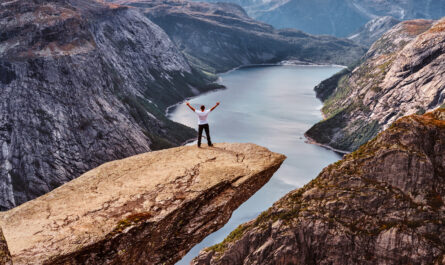
by Norway is home to countless jaw-dropping landscapes, but few landmarks capture the imagination like Trolltunga. Translating to “Troll’s Tongue,” this dramatic rock formation juts horizontally from the mountainside, hovering almost 700 meters above Lake Ringedalsvatnet. The hike to reach Trolltunga is no casual stroll; it’s a challenging adventure that demands preparation, stamina, and respect for Norway’s unpredictable mountain weather.
This complete guide will help you plan your Trolltunga hike, stay safe, and make the most of one of the most iconic viewpoints in the world.
Why Trolltunga Is a Bucket-List Hike
Trolltunga is famed for its awe-inspiring cliff edge, where hikers can sit, pose, or simply marvel at the panoramic fjord vistas below. Unlike more accessible viewpoints, Trolltunga requires a 20–28 kilometer round-trip hike, often taking 10–12 hours for most visitors.
What Makes It Special
- Unparalleled views of Ringedalsvatnet and surrounding mountains.
- The thrill factor of standing on a rock jutting horizontally from the cliff.
- A sense of achievement after completing a physically demanding trek.
Because of its combination of beauty and difficulty, Trolltunga is considered one of Norway’s most rewarding hikes, attracting adventurers from around the globe.
Best Time to Hike Trolltunga
Timing is crucial for both safety and enjoyment. The Trolltunga hike is seasonal due to snow, weather conditions, and daylight hours.
Summer (June–September)
- Recommended period for most hikers.
- Long daylight hours allow flexible start times.
- Trails are generally clear of snow, though icy patches can remain early in June.
Spring and Autumn (May & October)
- Fewer crowds but increased risk of snow and cold temperatures.
- Daylight hours are shorter; hiking requires careful planning.
- Many accommodations and transport options are reduced.
Winter (November–April)
- Not recommended without advanced mountaineering experience.
- Trails are covered in snow and ice; freezing temperatures and strong winds create serious hazards.
Planning Your Trolltunga Hike
Preparation is key. The hike is strenuous, and the weather can change rapidly.
Trail Overview
- Length: 20–28 km round trip.
- Duration: 10–12 hours for most hikers; faster for experienced trekkers.
- Elevation Gain: 800 meters.
- Start Point: Skjeggedal parking lot (traditional starting point) or Mågelitopp (for a shorter but steeper route).
Route Details
- Skjeggedal to Mågelitopp: The first segment climbs steeply via switchbacks. Expect a sweaty, heart-pumping start.
- Mågelitopp to Trolltunga: Flatter sections with rocky terrain; occasional snow patches.
- Trolltunga to Lake Ringedalsvatnet: Descending back along the same trail; pay attention to slippery rocks near water.
Maps and GPS
- Carry a detailed map of the region (available from local tourism offices or online).
- GPS devices and offline maps are helpful, as mobile signal can be patchy.
What to Pack for Trolltunga
Packing smartly can make the difference between a safe, enjoyable hike and a challenging ordeal.
Clothing
- Layered clothing: Base layer (moisture-wicking), mid-layer (insulating), outer layer (waterproof/windproof).
- Hat and gloves, even in summer, as high altitude and wind can be cold.
- Sturdy hiking boots: Non-slip soles are crucial for rocky and wet sections.
Gear
- Backpack (20–30 L) for essentials.
- Water bottles or hydration system: At least 2 liters per person.
- Snacks and energy-rich food: Nuts, chocolate, or energy bars.
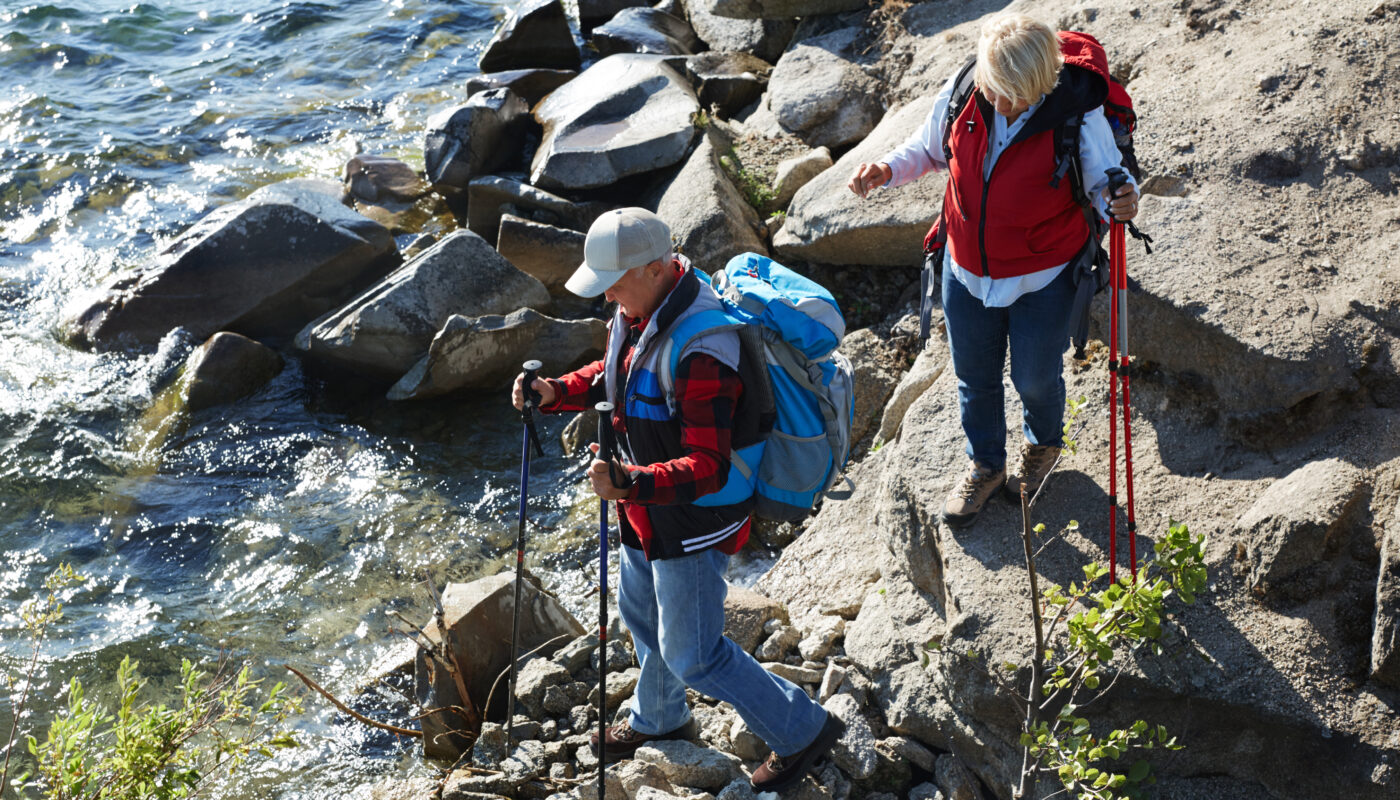
- Trekking poles: Helpful for steep climbs and descents.
- First aid kit: Include blister pads and basic medical supplies.
Optional Items
- Camera or GoPro for stunning shots.
- Headlamp or flashlight, especially if hiking late.
- Emergency blanket and whistle.
Safety Tips for Trolltunga
Safety cannot be overemphasized. The terrain is challenging, and weather can shift quickly.
Weather Awareness
- Check the forecast before you start. Websites like yr.no provide reliable Norwegian mountain weather updates.
- Avoid hiking during storms, heavy rain, or strong winds.
Trail Conditions
- Rocky, uneven surfaces can be slippery.
- Snow patches may linger into summer; use caution if trekking early in the season.
Start Early
- Begin early in the morning (around 6–8 a.m.) to maximize daylight.
- Hikers who start late risk descending in darkness, which can be dangerous.
Stay on the Trail
- Straying off-trail can lead to unstable ground or hidden crevices.
- Respect fences and signs marking dangerous areas.
Hydration and Nutrition
- Drink water regularly to avoid dehydration.
- Take short breaks for snacks to maintain energy levels.
Know Your Limits
- The hike is moderate to hard, requiring good fitness levels.
- Turn back if conditions deteriorate or if you feel exhausted.
Accommodations Near Trolltunga
While the hike itself is a day trip, staying nearby can make the experience smoother.
Popular Options
- Odda: The nearest town with hotels, hostels, and grocery stores.
- Tyssedal: Smaller village, closer to the Skjeggedal trailhead.
- Campsites: For a closer relationship with nature, there are a number of campgrounds nearby to Odda or Skjeggedal.
Booking early, especially during summer, is recommended as Trolltunga attracts hikers worldwide.
Guided Tours vs Independent Hikes
Independent Hikes
- Give flexibility and personal pace.
- Require careful planning and preparation.
- Ideal for experienced hikers comfortable with navigation and endurance hiking.
Guided Tours
- Include local knowledge, safety guidance, and sometimes transport to/from trailheads.
- Useful for first-time visitors or those unfamiliar with Norwegian mountain hiking.
- Often include extra features like professional photos or shorter hiking alternatives.
Photography Tips
Trolltunga is extremely photogenic, but capturing the best shots requires timing and technique.
- Golden hour: Early morning or late evening light creates dramatic shadows and warm tones.
- Safety first: Avoid precarious angles on the cliff edge; one misstep can be dangerous.
- Use a wide-angle lens: To capture the cliff, fjord, and surrounding mountains in a single shot.
- Include a human element: Photos with people enhance scale perception.
Environmental Responsibility
As tourism grows, it’s crucial to minimize your impact.
- Carry out all trash: Even biodegradable items like food waste can disturb local wildlife.
- Avoid damaging vegetation: Stick to marked trails.
- Respect wildlife: Observe from a distance.
- Support local communities: Purchase supplies or souvenirs locally to benefit the region.
Emergency Contacts and Preparedness
- Odda Police: +47 53 64 50 00
- Local Mountain Rescue Service: Call 113 for emergencies
- Red Cross Trolltunga Hike Hotline: Available during peak season
Having emergency contacts, a charged phone, and basic first aid knowledge is essential in mountain environments.
Conclusion
Hiking to Trolltunga is more than a physical challenge; it’s an immersive journey into Norway’s rugged natural beauty. Proper preparation, awareness of weather, and respect for the trail are essential to make the adventure safe and rewarding. Standing on Trolltunga’s edge, looking down at the shimmering Ringedalsvatnet and the surrounding peaks, it’s easy to understand why this spot has become a bucket-list destination for adventurers worldwide.
With careful planning, suitable gear, and a dose of determination, your Trolltunga hike can be a life-changing experience—one that combines adrenaline, wonder, and the unforgettable sensation of being on top of the world.