 by
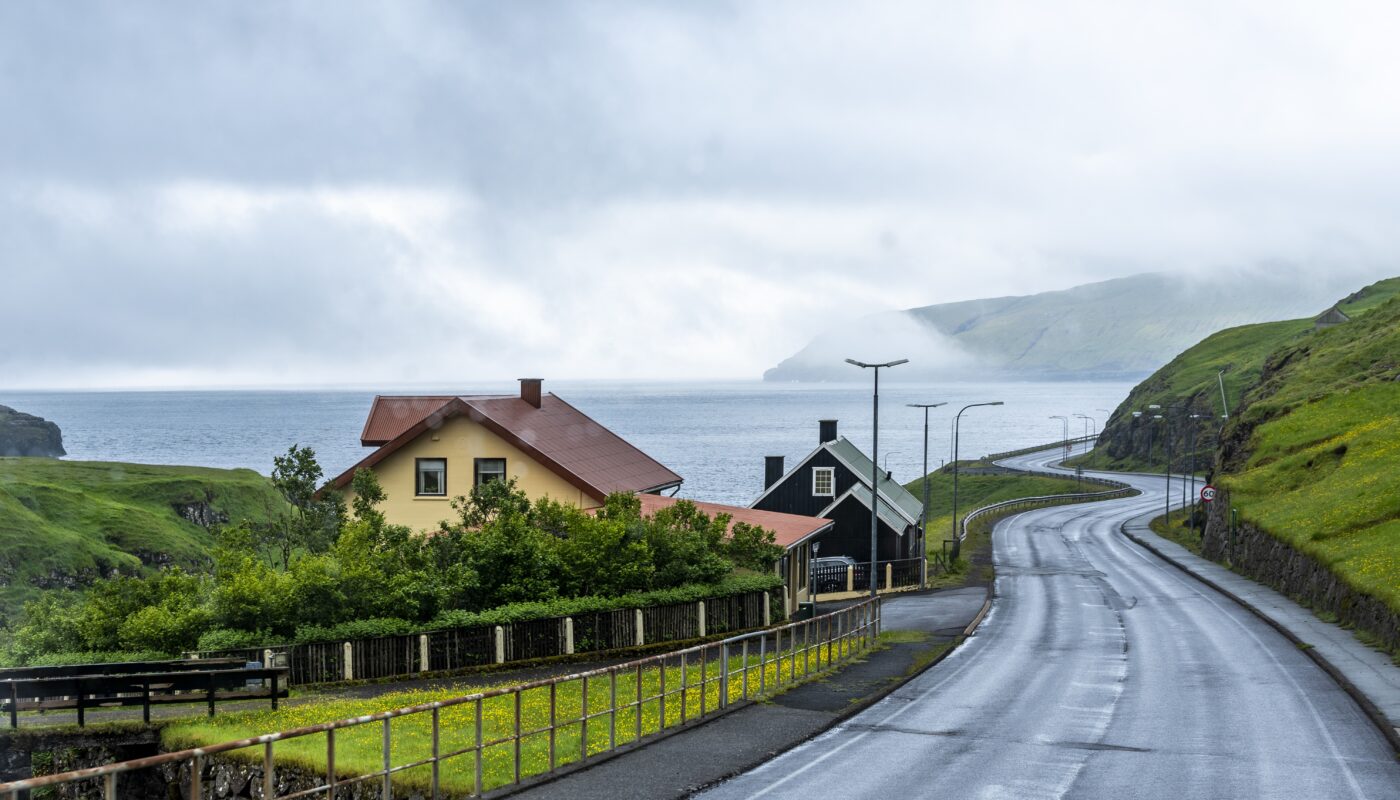
by Norway’s fjords are among the most iconic landscapes in the world — dramatic cliffs plunging into deep blue waters, waterfalls cascading from dizzying heights, and quaint villages perched on serene shorelines. While fjord cruises and train journeys are popular ways to explore this region, driving offers an unparalleled sense of freedom. Behind the wheel, you can pull over at any viewpoint, wander into tiny villages, and experience the fjords at your own pace.
This guide takes you through the most scenic drives in the Norwegian fjords, highlighting routes that combine breathtaking vistas, cultural charm, and unforgettable photo opportunities.
1. Hardanger National Tourist Route – The Heart of Norway’s Fjords
The Hardanger National Tourist Route is often considered the quintessential fjord drive. Stretching roughly 158 kilometers, it winds through Hardangerfjord, Norway’s fourth-longest fjord, and traverses orchards, waterfalls, and traditional villages.
Highlights Along the Route
- Steinsdalsfossen Waterfall: Walk behind the cascading water for a unique perspective.
- Låtefossen Waterfall: Twin streams converge in a dramatic spectacle visible from the road.
- Fruit Orchards: In spring, apple and cherry blossoms transform the valley into a pastel wonderland.
- Hardangerfjord Views: The fjord itself provides countless photographic stops, with mountains reflecting in the deep blue waters.
Why It’s Scenic
The route combines natural variety with cultural charm, offering everything from serene fjord reflections to dramatic mountain cliffs. Every turn feels like a carefully framed postcard.
2. Aurlandsfjellet – The Snow Road to Fjord Views
The Aurlandsfjellet Scenic Route, often called the Snow Road, crosses high alpine plateaus and links Aurlandsvangen to Lærdalsøyri. This drive provides an entirely different perspective: instead of hugging the fjord, it rises above it, offering panoramic mountain vistas.
Highlights Along the Route
- Stegastein Viewpoint: A striking platform that juts over the fjord, perfect for panoramic photography.
- Snowfields: Seasonal snow patches linger into early summer, creating a stunning contrast with green meadows.
- Alpine Meadows: Small farms and grazing livestock dot the high terrain, adding charm to the stark landscape.
Why It’s Scenic
This drive is ideal for those who want high-altitude fjord views, combining dramatic alpine scenery with glimpses of fjord waters far below.
3. Geirangerfjord to Ørnevegen (Eagle Road)
The drive from Geirangerfjord up to the Eagle Road (Ørnevegen) is legendary among travelers. Its hairpin bends ascend the mountainside, revealing Geirangerfjord’s deep blue waters and cascading waterfalls.
Highlights Along the Route
- Seven Sisters Waterfall: A powerful and iconic cascade flowing alongside the fjord.
- Ørnesvingen Viewpoint: has expansive views of the fjord below, making it ideal for leisure and photography.
- Flydalsjuvet: A dramatic overlook that emphasizes the fjord’s scale and beauty.
Why It’s Scenic
The combination of steep cliffs, turquoise waters, and waterfalls creates a quintessential Norwegian fjord experience from the road.
4. Trollstigen – Adventure Meets Fjord Majesty
One of Norway’s most well-known mountain routes is Trollstigen, often known as “The Troll’s Path.” The drive features eleven hairpin bends, dramatic gradients, and spectacular viewpoints, often framed by cascading waterfalls.
Highlights Along the Route
- Stigfossen Waterfall: Tumbling alongside the road, the waterfall provides a striking natural companion to the hairpins.
- Geirangerfjord Access: Many routes link Trollstigen with Geirangerfjord, allowing drivers to combine alpine and fjord scenery.
- Dramatic Cliff Views: Panoramic lookouts provide glimpses of Norway’s rugged terrain.
Why It’s Scenic
Trollstigen merges adrenaline-inducing mountain roads with awe-inspiring fjord vistas, making it a favorite for adventurous travelers.
5. Sognefjellet – Norway’s Roofline Drive
The Sognefjellet National Tourist Route is the highest mountain pass in Northern Europe, peaking over 1,400 meters. Driving this road offers a mix of alpine tundra, glacial lakes, and distant fjord glimpses.
Highlights Along the Route
- High Alpine Landscapes: Stark snow-capped peaks contrast with verdant valleys.
- Jotunheimen Mountains: The route offers breathtaking views of Norway’s highest mountains.
- Scenic Lakes: Crystal-clear alpine lakes provide peaceful rest stops.
Why It’s Scenic
Sognefjellet showcases Norway’s alpine grandeur, with sweeping vistas that feel untouched and wild.
6. Gaularfjellet – Waterfalls and Fjord Transitions
The Gaularfjellet Route transitions from fjord shores to inland heights, offering waterfalls, forested hills, and quiet mountain roads.
Highlights Along the Route
- Utsikten Viewpoint: Provides expansive views of the surrounding fjord landscapes.
- Cascading Waterfalls: Water flows alongside the road, creating a moving natural spectacle.
- Remote Villages: Experience authentic Norwegian culture away from crowded tourist centers.
Why It’s Scenic
This drive offers a tranquil, picturesque experience, combining waterfalls, fjords, and forested passes into one harmonious journey.
7. Lysevegen – Rugged Fjord Coastline
Lysevegen winds through Lysefjord, offering dramatic fjord landscapes and rugged mountain cliffs. It’s ideal for travelers who prefer less commercialized routes.
Highlights Along the Route
- Hairpin Switchbacks: Add excitement and drama to the drive.
- Steep Fjord Cliffs: Towering rock walls frame the fjord below.
- Secluded Scenery: Far from tourist-heavy areas, this road emphasizes Norway’s raw natural beauty.
Why It’s Scenic
Lysevegen emphasizes fjords’ rugged, untouched character, perfect for travelers seeking remote vistas.
Tips for Driving the Norwegian Fjords
- Best Season: Late spring to early autumn (May–October) is ideal. Winter often closes high passes like Snow Road or Trollstigen.
- Ferry Crossings: Many fjord routes include ferries; plan your schedule around them.
- Photography: Allow extra time for stops at viewpoints like Stegastein, Ørnesvingen, and Låtefossen.
- Safety: Mountain roads can be narrow and winding; drive carefully and follow local regulations.
- Plan for Weather: Mountain weather changes rapidly; pack warm layers and waterproof gear.
Scenic Experiences Beyond the Road
Along these drives, you’ll encounter:
- Waterfalls: Låtefossen, Stigfossen, and Seven Sisters offer dramatic roadside spectacles.
- Fjord Villages: Small towns like Geiranger and Flåm provide cultural insights and dining options.
- Lookout Points: Architectural viewpoints like Stegastein allow panoramic photography without leaving your car.
Driving these routes is more than transportation — it’s immersive travel, where every bend offers a new perspective.
Conclusion
Exploring Norway’s fjords by car combines the freedom of the open road with nature’s dramatic beauty. From Hardanger’s orchard-filled valleys to Trollstigen’s adrenaline-inducing switchbacks and Sognefjellet’s alpine peaks, each route offers a unique experience. By planning your journey and allowing time for frequent stops, you can experience the Norwegian fjords in a way few other travelers do — at your own pace, with every scenic moment fully savored.
Whether you’re chasing waterfalls, fjord reflections, or mountain panoramas, these scenic drives transform travel into a series of unforgettable journeys — each one as breathtaking as the destination itself.