 by
by Adventure seekers exploring the fjord regions of Norway, Italy, and other European hotspots often encounter one of the most exhilarating ways to experience steep cliffs and stunning landscapes: Via Ferrata. Translating from Italian as “iron path,” a Via Ferrata is a protected climbing route featuring steel cables, rungs, ladders, and bridges that allow even beginners to navigate otherwise inaccessible cliffs safely.From hundreds of meters above the fjord bottom, these routes offer fjord enthusiasts a unique viewpoint to appreciate vast valleys, tumbling waterfalls, and turquoise seas.
This guide is designed for beginners who want to understand what Via Ferrata is, how it works, essential safety tips, and where to find some of the most scenic routes in fjord regions.
What Is a Via Ferrata?
A Via Ferrata is a climbing route that blends elements of hiking, climbing, and mountaineering, offering secured passage along steep rock faces. Originally developed in the Italian Dolomites during World War I to transport troops across mountain passes, Via Ferrata routes have become a popular outdoor activity for tourists seeking adventure without needing full technical climbing skills.
Key Components of a Via Ferrata:
- Steel Cable: Runs along the route and is attached to the rock, allowing climbers to clip in with a harness.
- Iron Rungs and Ladders: Provide handholds and footholds where natural rock features are insufficient.
- Bridges and Platforms: Span gaps or open faces, often offering breathtaking views.
- Anchors: Secure the cable to the rock face, ensuring safety even on vertical or overhanging sections.
Via Ferrata combines the thrill of vertical climbing with relative security. While it’s more accessible than traditional climbing, preparation and awareness are essential, especially in fjord regions where weather and exposure can be unpredictable.
Why Via Ferrata Is Popular in Fjord Regions
Fjord landscapes are dramatic, with cliffs plunging hundreds of meters into deep, glacially carved valleys. Hiking trails may not always provide close access to these cliffs, but Via Ferrata allows adventure seekers to:
- Experience Unique Perspectives: See fjords, waterfalls, and forests from vantage points inaccessible by regular trails.
- Combine Adventure with Scenery: The combination of adrenaline and visual reward is unmatched.
- Enjoy a Beginner-Friendly Climb: Properly equipped, Via Ferrata makes vertical exploration feasible even for novices.
- Photograph Iconic Views: Many routes offer Instagram-worthy panoramas of fjords, mountains, and alpine lakes.
In Norway, routes near the Lysefjord and Geirangerfjord showcase dramatic vertical drops with sweeping water vistas. In other European fjord regions, like northern Italy’s Val di Non, Via Ferrata routes traverse alpine cliffs with equally spectacular scenery.
Essential Gear for Beginners
Safety is paramount on Via Ferrata. For beginners, it is crucial to have the right gear:
1. Harness
A climbing harness distributes weight and secures the climber to the Via Ferrata lanyard. Ensure it fits snugly around your waist and thighs.
2. Helmet
Cliffs and rock faces may have falling debris. Helmets protect against head injuries and are mandatory on most routes.
3. Via Ferrata Lanyard Set
This set includes a shock-absorbing lanyard with carabiners that attach to the steel cable. The shock absorber reduces impact forces if a climber slips.
4. Gloves
Special Via Ferrata gloves protect hands from abrasions while gripping steel rungs and cables.
5. Suitable Footwear
Sturdy hiking shoes with good grip are essential. Avoid soft-soled shoes as they may slip on rungs or rock surfaces.
6. Optional: Safety Rope
For certain beginner routes, ropes can provide extra security, especially when guiding children or inexperienced climbers.
Beginner-Friendly Techniques
Even beginners should understand basic Via Ferrata techniques:
1. Proper Clip-In
Always stay clipped to the steel cable with both carabiners. When moving past anchor points, clip and unclip carefully — never unclip both simultaneously.
2. Three Points of Contact
Maintain two hands and one foot or two feet and one hand on the rock or rungs at all times. This ensures stability on vertical or overhanging sections.
3. Foot Placement
Step on rungs or rock edges with the ball of your foot for better balance. Avoid relying solely on hands for weight-bearing.
4. Smooth Movements
Move deliberately, keeping momentum steady. Avoid sudden jerks or overreaching, as balance is key.
5. Rest When Needed
Many Via Ferrata routes include platforms or ledges for short breaks. Use these to hydrate, breathe, and enjoy the view.
Safety Tips for Fjord Via Ferrata
While routes are designed for safety, fjord landscapes present unique challenges:
- Check Weather Conditions: Rain, fog, or wind can make routes slippery and dangerous. Fjord regions often experience rapid weather changes.
- Start Early: Daylight hours may be short in northern fjords, especially in winter months.
- Stay Hydrated: The physical effort combined with high exposure can cause dehydration.
- Travel in Groups: Beginners benefit from guidance and support from more experienced climbers.
- Know Your Limits: Some routes have overhangs or exposed vertical sections that may be too challenging for first-timers. Start with shorter, less steep routes.
- Professional Guidance: Consider hiring a certified guide for your first Via Ferrata experience, particularly in remote fjord areas.
Popular Fjord Region Via Ferrata Routes
1. Lysefjord, Norway
- Route: Lysefjorden Via Ferrata
- Highlights: Vertical cliffs with sweeping views of the fjord below.
- Difficulty: Moderate; suitable for beginners with proper guidance.
- Extra Tip: Combine the climb with a ferry ride on the fjord for a complete experience.
2. Geirangerfjord, Norway
- Route: Geiranger Via Ferrata
- Highlights: Waterfalls, alpine meadows, and dramatic fjord panoramas.
- Difficulty: Moderate; exposure is high, so it’s recommended for those comfortable with heights.
- Extra Tip: Go early in the morning to avoid tourist crowds.
3. Val di Non, Italy
- Route: Castel Thun Via Ferrata
- Highlights: Beginner-friendly granite faces, verdant alpine meadows, and medieval castle views.
- Difficulty: Easy to moderate, perfect for first-time climbers.
- Extra Tip: Combine with local apple orchards for a cultural experience.
4. Kjerag, Norway (Advanced Beginners)
- Route: Kjerag Via Ferrata Approach
- Highlights: Famous cliff near Lysefjord; incredible photo opportunities.
- Difficulty: Challenging for beginners; recommended with a guide.
- Extra Tip: Ideal for those who want a mix of hiking and climbing.
Training Before Attempting a Via Ferrata
Beginners should prepare both physically and mentally:
- Strength Training: Focus on grip, core, and leg strength for sustained climbs.
- Cardio: Mountain climbs can be strenuous; cardiovascular fitness helps reduce fatigue.
- Practice Balance: Walking on narrow ledges or using indoor climbing walls can improve coordination.
- Familiarize with Equipment: Practice clipping carabiners, wearing a harness, and moving with a lanyard before attempting your first route.
Preparation reduces risk and enhances the overall experience.
The Thrill of Fjord Views from Above
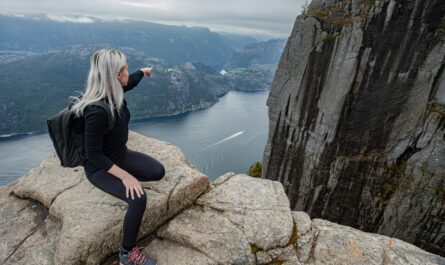
The unique aspect of Via Ferrata in fjord regions is the perspective it provides. From hundreds of meters above the water:
- Fjords stretch as serpentine ribbons of blue, surrounded by sheer cliffs.
- Waterfalls, often invisible from the fjord floor, cascade beside you.
- Remote villages appear tiny, highlighting the scale of the surrounding landscape.
These experiences create lasting memories for both adventure enthusiasts and photographers seeking dramatic landscapes.
Conclusion
Via Ferrata offers a perfect blend of adventure, safety, and scenic reward for beginners exploring fjord regions. With proper equipment, preparation, and awareness, even first-time climbers can enjoy the thrill of ascending steep cliffs while soaking in the breathtaking beauty of fjords.
Whether it’s the vertical faces overlooking Lysefjord, the alpine vistas of Geirangerfjord, or beginner-friendly routes in Italy’s Val di Non, Via Ferrata allows you to experience fjords from a perspective few others see. By starting with easier routes, practicing proper techniques, and respecting safety guidelines, beginners can build confidence and enjoy the ultimate combination of adventure, nature, and panoramic scenery.
For anyone looking to add excitement to their fjord travels, Via Ferrata is an unforgettable way to climb, connect with nature, and witness fjords from extraordinary heights.