 by
by Fjords are among the most breathtaking natural wonders on Earth. These deep, glacially carved inlets, often flanked by towering cliffs and lush valleys, captivate travelers year-round. Yet, spring offers a particularly magical perspective, transforming the landscape in ways that no other season can replicate. From roaring waterfalls fed by melting snow to vibrant greenery and the bliss of fewer tourists, spring is a season when fjords truly come alive. In this guide, we explore why visiting fjords in spring is a unique experience and what travelers can expect.
1. The Magic of Spring in Fjord Regions
Spring in fjord regions, typically spanning March to May in the Northern Hemisphere, brings a transition from cold, snow-laden landscapes to vibrant, flowing environments. The lingering snow from winter begins to melt, feeding rivers, lakes, and countless waterfalls, while valleys bloom with wildflowers and fresh greenery. The effect is dramatic — sheer cliffs glisten, waterfalls surge, and wildlife emerges from the quiet of winter.
Unlike summer, which draws crowds of tourists, spring offers a more serene and contemplative experience. Paths, viewpoints, and boat tours are less congested, allowing travelers to connect deeply with the landscape without the pressures of busy travel schedules.
2. Waterfalls at Their Most Powerful
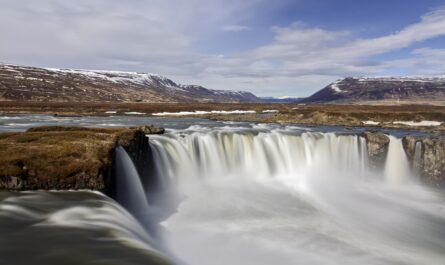
One of the most compelling reasons to visit fjords in spring is the intensified waterfalls. Fjords are defined by steep cliffs carved by glaciers, and these cliffs often host a network of waterfalls. Snowmelt from the surrounding mountains dramatically increases their volume during spring, creating awe-inspiring cascades.
Top Highlights
- Norwegian Fjords: Waterfalls such as Seven Sisters (Geirangerfjord) or Vøringsfossen (Hardangerfjord) surge with glacial melt, producing thundering flows and mist-filled valleys.
- New Zealand Fjords: In Milford Sound and Doubtful Sound, snowmelt fuels seasonal waterfalls, adding dramatic contrast to the lush green rainforest slopes.
- Chilean Fjords: In Patagonia, waterfalls cascade down fjord cliffs fed by retreating glaciers, creating a dynamic spectacle of moving water and mist.
Travelers often find that spring offers the highest waterfall activity of the year, with multiple falls appearing in areas that may be dry or muted in late summer.
3. Snowmelt and Glacier Dynamics
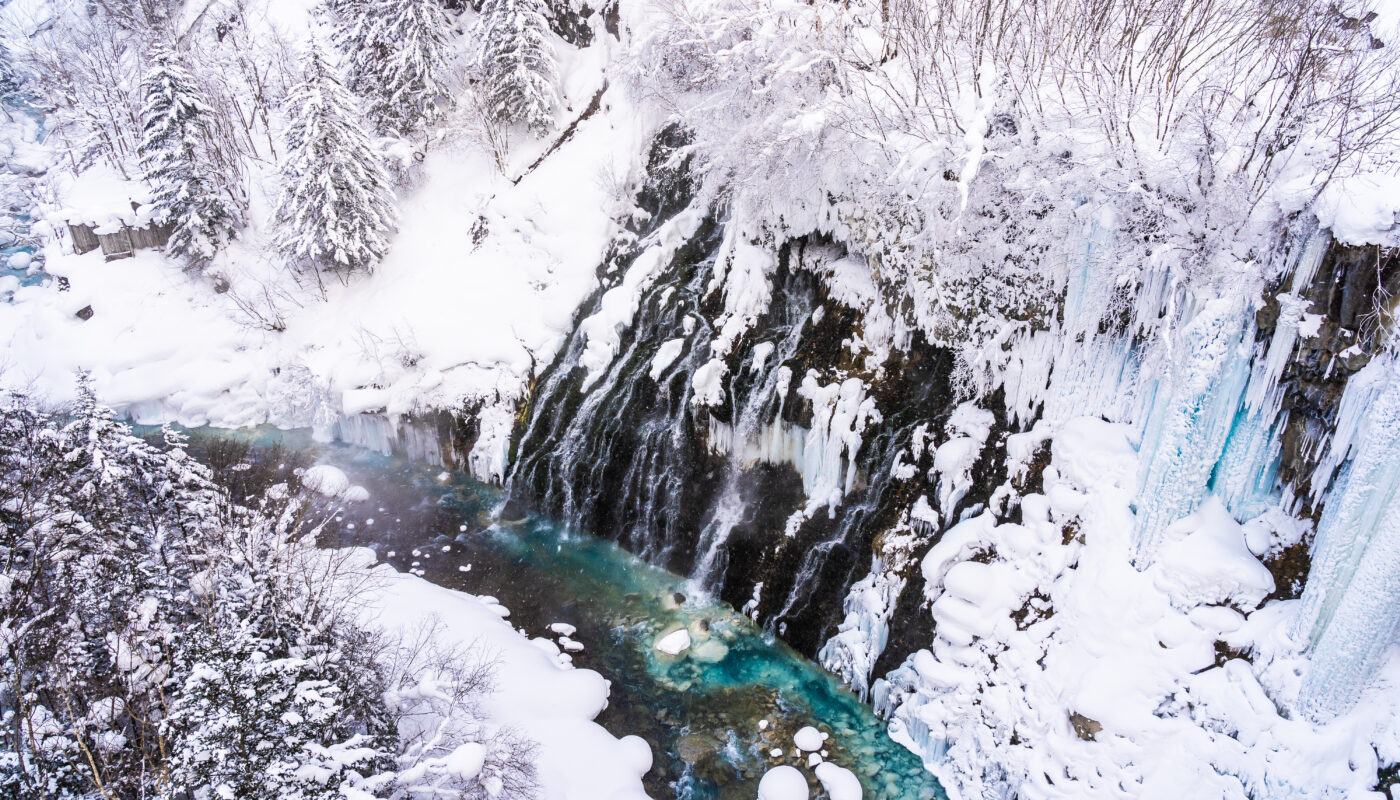
Snowmelt is central to the seasonal beauty of fjords. As winter snow recedes, meltwater replenishes rivers, feeds waterfalls, and occasionally floods lowland areas, creating temporary lakes and streams. This process also exposes glaciers and frozen rivers in a way that is less accessible in the winter months.
Why It Matters for Travelers
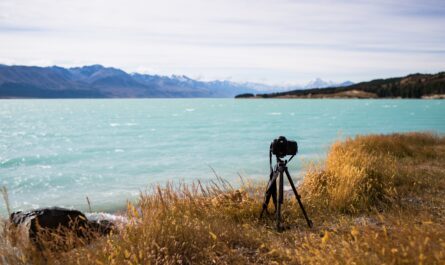
- Photography Opportunities: The contrast between remaining snow, flowing water, and emerging greenery produces dramatic photographs.
- Wildlife Viewing: Animals that retreat during winter, such as seabirds, reindeer, or foxes, become more visible near melting rivers and streams.
- Adventure Activities: Hiking trails previously snow-covered become navigable, allowing closer access to waterfalls and glacier viewpoints.
Spring is also ideal for cruise or boat tours along fjords. The higher water levels from snowmelt make some fjords more navigable and accentuate their dramatic depths.
4. Fewer Crowds and a More Serene Experience
One of the underrated advantages of visiting fjords in spring is the relative tranquility. Summer is peak season, and popular fjord towns like Geiranger, Bergen, or Puerto Natales are bustling with tourists, cruise ships, and guided tours. In spring, travelers often have the fjord experience largely to themselves.
Benefits of Fewer Crowds
- Flexible Planning: Boat tours, hiking paths, and viewpoints are easier to book last minute.
- Peaceful Photography: Capture dramatic landscapes without crowds in your frame.
- Authentic Local Experiences: Because local eateries, stores, and cafes are less crowded, there is more opportunity for cultural immersion and interaction with locals.
Spring travelers can enjoy sunrise hikes and fjord cruises with a sense of solitude that is rare in other seasons, enhancing the sense of connection to nature.
5. Wildlife Awakens
Spring also brings a resurgence of wildlife activity. Migratory birds return, marine animals like seals and porpoises become more active, and terrestrial animals emerge from winter dormancy.
Examples
- Bird Watching: Fjord cliffs host seabird colonies, such as puffins in Norway, which begin nesting during spring.
- Marine Life: Increased fish activity near fjord mouths attracts seals and sometimes dolphins.
- Terrestrial Mammals: In regions like Patagonia, guanacos, foxes, and deer are more visible in lowland valleys.
The combination of water abundance, greenery, and mild weather makes spring an ideal season for wildlife observation along fjords.
6. Hiking and Outdoor Activities in Spring
For active travelers, spring is a perfect season for hiking and adventure activities. Snow has usually receded on most lower elevation trails, yet the weather remains cool and comfortable.
Popular Activities
- Day Hikes: moderate hikes around waterfalls, cliff trails, or fjord edges.
- Kayaking and Canoeing: Higher water levels from snowmelt make kayaking safe and scenic.
- Photography Excursions: Early blooming wildflowers and dramatic water flows create striking compositions.
- Guided Glacier Walks: In regions with accessible glaciers, guided walks provide both adventure and safety.
One advantage of spring hiking is milder temperatures compared to summer, reducing the risk of overheating on strenuous climbs.
7. Seasonal Considerations and Weather
While spring offers unique advantages, travelers should consider weather variability:
- Temperature Fluctuations: Fjord regions often experience cool mornings and evenings, especially at higher elevations. Layered clothing is essential.
- Rain and Wind: Spring can bring rain or sudden gusts, particularly in coastal fjords. Waterproof jackets and sturdy footwear are recommended.
- Trail Conditions: Some higher elevation trails may remain snow-covered until late spring, limiting access to certain peaks.
Despite these challenges, spring weather is generally more predictable and pleasant than late winter, with gradually lengthening daylight hours allowing for extended exploration.
8. Cost Benefits of Visiting in Spring
Beyond natural beauty, spring can be a more budget-friendly time to visit fjords:
- Accommodation: Hotels and lodges often lower rates compared to peak summer months.
- Tours and Activities: Guided tours and cruises may offer discounts to attract early-season travelers.
- Transport: Flights and local transportation tend to be cheaper before the summer rush.
- Restaurants and Shops: Dining is more relaxed, and seasonal produce may be cheaper and fresher.
Overall, spring provides a combination of enhanced scenery, fewer crowds, and cost savings — making it an appealing season for value-conscious travelers seeking quality experiences.
9. Planning Tips for a Spring Fjord Adventure
To make the most of a fjord trip in spring, consider the following tips:
A. Timing
- Early to mid-spring (March–April) offers dramatic snowmelt and powerful waterfalls.
- Late spring (May) introduces full greenery, longer days, and emerging wildflowers.
B. Clothing and Gear
- Waterproof jacket, layers, and windproof outerwear
- Hiking boots with good traction
- Gloves, hat, and warm base layers for higher elevations
- Camera with weather protection
C. Booking
- Although crowds are smaller, key fjord tours or lodges may have limited schedules in early spring. Booking popular activities in advance is recommended.
- Check ferry and boat schedules, as some services run seasonally.
D. Safety
- Always monitor weather conditions and trail updates.
- Snowmelt can cause slippery paths near waterfalls — extra caution is advised.
- If venturing to glaciers or high cliffs, consider guided tours.
10. Top Fjord Destinations for Spring Travel
While many fjords worldwide are stunning, spring highlights some regions especially well:
- Norway: Geirangerfjord, Nærøyfjord, Sognefjord
- New Zealand: Milford Sound, Doubtful Sound, Tasman Glacier fjords
- Chile: Patagonia’s Canal de Ballenas, Seno Última Esperanza, and fjords near Puerto Natales
Each offers unique springtime features — from dramatic waterfalls and wildflowers to accessible hiking and calmer waters for boat excursions.
Conclusion
Spring is arguably one of the best seasons to experience fjords. The combination of roaring waterfalls, glacial snowmelt, vivid greenery, abundant wildlife, and fewer tourists creates an immersive, almost mystical experience. Travelers can enjoy extended daylight hours, cost savings, and unique opportunities for adventure without the crowds of summer.
From Norway’s iconic fjords to New Zealand’s serene waterways and Chile’s remote wild fjords, spring offers a chance to witness these landscapes in transition, alive with movement, color, and sound. Whether you’re photographing cascading waterfalls, hiking cliff trails, kayaking through pristine waters, or simply soaking in the quiet majesty of nature, fjords in spring are a reminder that the world is at once powerful, delicate, and breathtaking.
For those seeking a peaceful, visually dramatic, and nature-filled journey, spring is the season to witness fjords at their most vibrant and authentic.