 by
by Few travel experiences can match the raw, cinematic beauty of driving through Norway’s fjords. This is a landscape shaped by ice, time, and tectonic force—where steep mountains rise straight out of glassy waters, waterfalls appear suddenly from cliff edges, and every bend in the road feels like a reveal in a nature documentary.
A 7-day fjord road trip is the perfect way to experience the highlights of western Norway without rushing. It gives you enough time to absorb the scenery, explore small villages, take scenic detours, and still follow a logical route through some of the most iconic landscapes in the world.
This fully reimagined itinerary is designed to be practical, scenic, and immersive—built around Norway’s most breathtaking fjords and mountain roads.
Why a Fjord Road Trip in Norway Is So Special
What makes a fjord road trip different from most travel routes is that the scenery never stops. There are no “boring driving stretches.” Even highway segments pass lakes, cliffs, glaciers, and coastal inlets.
The western region of Norway is especially famous because it contains deep fjords carved during the Ice Age. These include UNESCO-protected areas, dramatic mountain passes, and some of the most photographed natural viewpoints in Europe.
A week-long itinerary is ideal because:
- Distances are short but roads are slow and winding
- Ferries are part of the journey
- Weather and light change the scenery constantly
- Every region has a distinct landscape personality
Day 1: Arrival in Bergen – The Fjord Capital
Your journey begins in Bergen, a coastal city surrounded by mountains and sea. It is often considered the natural starting point for fjord exploration due to its central location in western Norway.
What to Experience in Bergen:
Spend your first day adjusting to the pace and atmosphere of Norway. Wander through the historic harbor area, explore old wooden buildings, and enjoy the relaxed coastal energy of the city.
You can also take a funicular ride up a nearby mountain viewpoint for a sweeping look over rooftops, islands, and distant fjords.
Travel Mood:
This day is not about covering distance—it’s about shifting into “fjord travel mode,” where nature becomes the main focus.
Overnight: Bergen
Day 2: Bergen to Hardangerfjord – Waterfalls and Orchards
Leave the city behind and drive toward Hardangerfjord, one of Norway’s most scenic and accessible fjord regions. The landscape quickly shifts from urban coastline to deep valleys, fruit farms, and glacier-fed rivers.
Highlights Along the Way:
- Tall roadside waterfalls
- Scenic bridges crossing deep water channels
- Small villages surrounded by mountains and orchards
Hardangerfjord is known for its softer beauty compared to other fjords. In spring and summer, the region is filled with blooming fruit trees, while in autumn it transforms into a warm-toned landscape of harvest colors.
Driving Experience:
The roads are smooth but winding, constantly revealing new angles of water and mountain scenery.
Overnight: Odda or nearby fjord village
Day 3: Hardangerfjord to Flåm and Nærøyfjord – Entering UNESCO Territory
Today’s journey brings you into one of the most dramatic fjord regions in the world. The route toward Flåm introduces tighter valleys, steeper cliffs, and deeper waters.
Flåm is a small but famous village located at the end of a fjord branch. It serves as a base for exploring the UNESCO-listed Nærøyfjord, one of the narrowest and most visually striking fjords on Earth.
Must-Do Experiences:
- Take a boat cruise through Nærøyfjord
- Admire near-vertical cliff walls rising from the water
- Visit tiny settlements accessible only by boat or foot
The atmosphere here feels almost enclosed by nature, as if the mountains are leaning in from both sides.
Overnight: Flåm or Aurland
Day 4: Flåm to Sognefjord Region – Norway’s Giant Fjord
Today you travel along Sognefjord, the longest and deepest fjord in Norway. This massive waterway stretches inland like a blue highway cutting through mountains.
Scenic Stops:
- Glacial viewpoints with turquoise meltwater
- Small churches and villages along the fjord edge
- Short hikes to elevated lookout points
Sognefjord is often called the “King of the Fjords” due to its size and branching arms. Driving here gives you a sense of scale that is hard to comprehend—the fjord system seems endless.
By late afternoon, continue toward the Loen area, known for its mountain lake reflections and dramatic peaks.
Overnight: Loen
Day 5: Loen to Geirangerfjord – The Most Iconic Landscape
This is the emotional peak of your entire road trip.
Geirangerfjord is one of the most famous fjords in the world, recognized for its extreme beauty and UNESCO World Heritage status. The road approaching it feels like a cinematic build-up, with every viewpoint becoming more dramatic.
Key Highlights:
- Deep blue fjord surrounded by steep cliffs
- Famous waterfalls such as the Seven Sisters
- High mountain viewpoints overlooking the entire valley
The scenery here is almost overwhelming in scale. Waterfalls appear directly from cliff edges, dropping hundreds of meters into the fjord below.
Overnight: Geiranger
Day 6: Geiranger to Åndalsnes via Trollstigen – The Adventure Road
Today is about adrenaline and unforgettable driving.
The route from Geiranger toward Åndalsnes includes one of the most famous mountain roads in Europe: Trollstigen. This winding road climbs sharply through mountains with tight hairpin bends and dramatic viewpoints.
What Makes This Day Special:
- Vertical cliffs and deep valleys
- Carefully engineered switchback roads
- Waterfalls flowing beside the road
- Panoramic viewing platforms at the top
Trollstigen is not just a road—it is an experience designed to showcase Norway’s rugged mountain character.
After descending into the valley, continue toward Åndalsnes, a town surrounded by jagged peaks and dramatic landscapes.
Overnight: Åndalsnes
Day 7: Return Journey – Reflecting on the Landscape
Your final day depends on your onward travel plans. You can either return toward Bergen or head east toward Oslo, depending on your itinerary.
Optional Stops Along the Way:
- Mountain plateaus with wide-open views
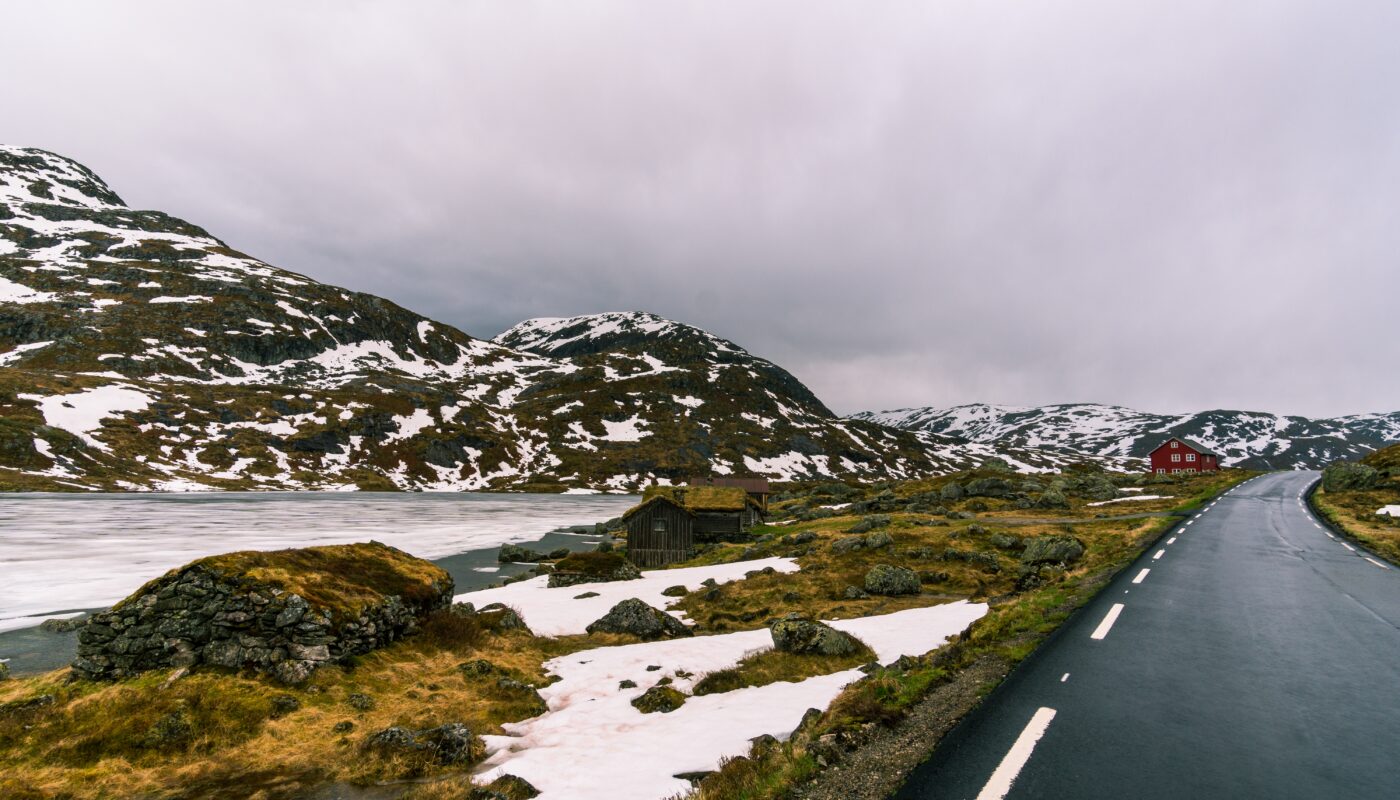
- Quiet lakes reflecting surrounding peaks
- Small towns ideal for a rest break
This day is less about sightseeing and more about reflection. After six days of constant visual impact, the return journey allows you to absorb everything you’ve experienced.
Practical Tips for a Smooth Fjord Road Trip
1. Expect Slow Driving
Distances may look short on a map, but winding roads and ferry crossings make travel time longer than expected.
2. Ferries Are Part of the Route
Ferry rides across fjords are common and run frequently. They are efficient and add to the scenic experience.
3. Weather Changes Quickly
Even in summer, conditions can shift from sunshine to fog or rain within minutes. Layered clothing is essential.
4. Book Stays Early
Small fjord villages have limited accommodation, especially in peak season.
5. Don’t Rush Stops
The best moments often happen at random viewpoints, not planned attractions.
What Makes This 7-Day Route Ideal
This itinerary is designed to balance:
- Famous highlights like Geirangerfjord and Sognefjord
- Scenic drives through valleys and mountain passes
- UNESCO-protected natural landscapes
- Small village experiences and quiet stops
It avoids unnecessary backtracking and follows a natural geographic flow through western Norway’s most scenic regions.
Final Thoughts
A 7-day fjord road trip in Norway is more than just a travel plan—it is a journey through some of the most powerful natural scenery on Earth. Every day brings a different expression of the landscape, from calm coastal waters to towering mountain cliffs and thunderous waterfalls.
By the end of the week, what stays with you is not just the destinations, but the feeling of driving through a world shaped entirely by nature’s extremes.
If there is one road trip that truly defines scenic travel, this is it.