 by
by British Columbia (BC) is world-renowned for its rugged mountains, dense forests, and vast Pacific coastline. Beyond the well-trodden paths of Vancouver, Whistler, and the Inside Passage lies a hidden world of fjords—deep, glacially carved inlets that cut dramatically into the coastal landscape. Often overshadowed by the famous fjords of Norway or New Zealand, BC’s fjords offer a unique combination of wilderness, wildlife, and adventure opportunities that remain relatively untouched. Exploring these fjords is a journey into a mysterious and pristine environment where nature reigns supreme.
This comprehensive guide delves into the geography, ecology, history, and experiences that make the fjords of British Columbia a hidden treasure for travelers and nature enthusiasts.
Understanding British Columbia’s Fjords
What Defines a Fjord?
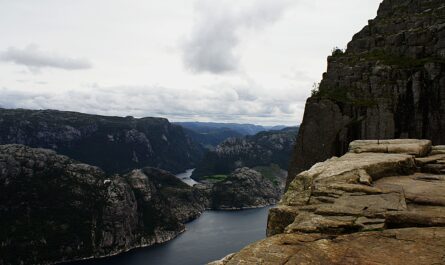
A fjord is a long, narrow inlet with steep sides or cliffs, created by glacial activity. British Columbia’s fjords were carved during the last ice age, when glaciers advanced from the coastal mountains into the sea, leaving deep channels that filled with seawater as the ice receded. These fjords are characterized by:
- Steep mountainous walls: Often covered in temperate rainforest.
- Deep, cold waters: Supporting a rich variety of marine life.
- Complex waterways: With side inlets, coves, and islands.
Key Fjords in British Columbia
1. Howe Sound
The most accessible fjord, Howe Sound, is situated just north of Vancouver and provides a combination of outdoor sports and scenic views. Steep forested slopes plunge into the water, providing hiking trails, kayaking routes, and scenic viewpoints.
2. Jervis Inlet
Stretching over 60 kilometers inland, Jervis Inlet is one of BC’s deepest fjords. Known for its dramatic cliffs and cascading waterfalls, the fjord is popular with boaters and kayakers seeking solitude.
3. Toba Inlet
Toba Inlet is a narrow fjord carved by glaciers and characterized by steep mountains and lush rainforest. The inlet is largely undeveloped, making it ideal for wildlife observation and backcountry exploration.
4. Prince Rupert’s Coastal Fjords
Near the northern coast, fjords such as Observatory Inlet and Portland Canal are remote and wild, offering encounters with eagles, bears, and marine mammals. These fjords remain largely unexplored due to their remoteness.
The Ecology of BC’s Fjords
Marine Life
The cold, nutrient-rich waters of British Columbia’s fjords support diverse marine ecosystems:
- Salmon: The fjords are crucial spawning grounds for Pacific salmon, a keystone species in the ecosystem.
- Marine mammals: Orcas, humpback whales, and seals are frequently observed.
- Invertebrates: Mussels, clams, and starfish thrive in the tidal zones.
Forest and Terrestrial Wildlife
The steep fjord walls are blanketed with coastal temperate rainforest, one of the world’s rarest and most productive ecosystems:
- Trees: Western red cedar, Sitka spruce, and Douglas fir dominate.
- Wildlife: Black bears, mountain goats, and wolves roam the slopes.
- Birdlife: Bald eagles, herons, and a variety of songbirds make the fjords their home.
The fjords serve as ecological corridors, linking marine and terrestrial ecosystems in a dynamic and interconnected landscape.
Historical Significance
Indigenous Presence
Long before European exploration, Indigenous peoples inhabited and traveled BC’s fjords. The Coast Salish, Heiltsuk, and Nuxalk nations, among others, relied on the fjords for:
- Fishing and hunting: Salmon, shellfish, and marine mammals were central to sustenance.
- Cultural practices: Fjords provided ceremonial spaces and transportation routes.
- Trade: Canoe travel along fjords connected communities over long distances.
European Exploration
European explorers arrived in the late 18th century, mapping the coastline and documenting the fjords. Notable historical points include:
- Fur trading posts: Some fjords hosted trading outposts for the Hudson’s Bay Company.
- Logging and resource extraction: Fjords provided access to timber and other resources, though much of BC’s fjord wilderness remains untouched compared to more developed regions.
Experiencing BC’s Fjords
Kayaking and Canoeing
Kayaking through the fjords is one of the most immersive ways to experience their scale and beauty:
- Paddle alongside towering cliffs and waterfalls.
- Observe wildlife in their natural habitats without disturbance.
- Multi-day trips with overnight camping provide a deeper connection to the fjord environment.
Boating and Sailing
For those who prefer less physically demanding travel:
- Small boats or yachts allow exploration of inlets and side channels.
- Many fjords are accessible only by water, emphasizing the remoteness of the region.
- Boat tours often include wildlife spotting, photography, and educational commentary on geology and ecology.
Hiking and Backcountry Exploration
Steep fjord walls are threaded with trails for experienced hikers:
- Hikes offer panoramic views of the fjord from above.
- Rainforest trails reveal moss-covered trees, cascading streams, and hidden waterfalls.
- Backcountry camping requires careful planning but rewards explorers with solitude and breathtaking scenery.
Wildlife Observation
The fjords are ideal for spotting wildlife in natural settings:
- Orcas and humpback whales frequent the waters during feeding seasons.
- Eagles and herons nest along fjord cliffs and river mouths.
- Terrestrial mammals, including bears and mountain goats, can be observed from boat or trail vantage points.
Seasonal Considerations
Spring (March – May)
- Melting snow increases waterfall flow, enhancing scenic beauty.
- Migratory birds return to the region, offering prime birdwatching opportunities.
- Water temperatures are still cold, requiring caution for water-based activities.
Summer (June – August)
- Warmest and most accessible season.
- Longer daylight allows extended exploration.
- Peak wildlife activity, particularly for marine mammals and salmon runs.
Autumn (September – November)
- Fewer visitors and quieter fjords.
- Cooler temperatures and misty landscapes create atmospheric conditions for photography.
- Salmon migration attracts both wildlife and anglers.
Winter (December – February)
- Cold, rainy, and often stormy, making navigation challenging.
- Remote fjords offer solitude and dramatic winter scenery.
- Some fjords may be accessible only by air or specialized vessels.
Conservation and Sustainability
BC’s fjords are largely protected within provincial parks and marine protected areas, but human activity must be managed to preserve their pristine condition:
- Eco-tourism: Encourages responsible travel with minimal environmental impact.
- Wildlife protection: Observing animals without interference is critical.
- Leave No Trace: Camping, kayaking, and hiking practices ensure fjords remain unspoiled.
- Monitoring invasive species: Protecting native flora and fauna is a priority for local conservation efforts.
Visitors play a key role in maintaining the ecological integrity of these hidden fjords.
Accessibility and Planning
Reaching the Fjords
Most fjords are remote, requiring careful planning:
- By Sea: Private boats, kayaks, and guided tours are the most common ways to access fjords.
- By Air: Scenic flights from Vancouver, Victoria, or Prince Rupert provide aerial perspectives, though landing options are limited.
- By Land: Some fjords are accessible via hiking trails, but steep terrain and dense rainforest make approach challenging.
Tips for Travelers
- Plan Ahead: Limited infrastructure and unpredictable weather require preparation.
- Pack Appropriately: Waterproof clothing, sturdy footwear, and navigation tools are essential.
- Safety First: Carry first aid, communication devices, and emergency supplies.
- Respect Wildlife: Observe from a distance and avoid disrupting habitats.
- Consider Multi-Day Expeditions: Overnight trips deepen the experience and allow time for wildlife observation and photography.
Why BC’s Fjords Are Unique
- Untouched Wilderness: Compared to other global fjords, BC’s fjords remain relatively unexplored and pristine.
- Ecological Diversity: The combination of temperate rainforest, glacial waters, and marine life creates a rare ecosystem.
- Cultural Significance: Indigenous heritage and early exploration history add depth to the natural beauty.
- Adventure Opportunities: Kayaking, hiking, and wildlife observation provide immersive and challenging experiences for adventurous travelers.
Conclusion
The fjords of British Columbia offer a hidden world of dramatic landscapes, rich wildlife, and profound solitude. From the accessible Howe Sound near Vancouver to the remote northern fjords around Prince Rupert, each inlet and channel reveals a different aspect of this rugged coastline. Visitors are rewarded not only with breathtaking scenery but also with encounters that highlight the intricate connections between marine and terrestrial ecosystems, indigenous heritage, and the raw power of glacial geology.
Exploring BC’s fjords is not just a journey into nature; it is a journey into a quieter, more primal world where human influence is minimal, and the rhythms of wilderness dominate. For travelers seeking adventure, tranquility, and a deep connection with one of the planet’s most unique coastal landscapes, the fjords of British Columbia remain a hidden and unforgettable treasure.