 by
by Carved by glaciers over millennia, Geirangerfjord stands as one of Norway’s most breathtaking natural wonders. Towering cliffs, plunging waterfalls, lush mountainsides, and tranquil waters make this UNESCO World Heritage site a bucket-list destination for travelers around the globe. Often referred to simply as “the most beautiful fjord in the world,” Geirangerfjord offers an unforgettable mix of dramatic scenery, outdoor activities, cultural heritage, and authentic Norwegian charm.
Whether you’re planning a day trip, a longer stay, or exploring the fjord by sea or land, this detailed travel guide will help you make the most of your visit.
Where Is Geirangerfjord?
Geirangerfjord is situated in the western Norwegian county of Møre og Romsdal. It extends roughly 15 kilometers (9 miles) inland from the larger Storfjorden and is surrounded by steep, snow-topped peaks that rise up to 1,500 meters (4,900 feet). The fjord’s striking contrast between calm water and rugged terrain creates an almost otherworldly landscape.
The fjord is part of the West Norwegian Fjords — Geirangerfjord and Nærøyfjord, recognized as a UNESCO World Heritage Site for its outstanding natural beauty and geological history.
Best Time to Visit Geirangerfjord
1. Summer (June to August) — Peak Season
This is the most well-liked time to go, providing:
- Long daylight hours (Midnight Sun phenomenon)
- Warmest temperatures (10–20°C / 50–68°F)
- Full access to ferry routes, hiking trails, and attractions
Summer brings cruise ships, small tour boats, kayakers, and plenty of visitors — ideal for those who want to experience the fjord in full swing.
2. Shoulder Seasons (May & September)
Fewer crowds and cooler temperatures make these months appealing for:
- Peaceful hiking and photography
- Lower travel costs
- Still mostly accessible attractions
However, some services may operate on reduced schedules.
3. Winter (October to April)
Winter transforms the fjord into a quieter, snowy escape. While many boat cruises pause for the season, the landscape becomes magical with snow-covered peaks and frozen waterfalls. Limited services mean planning ahead is essential.
How to Get to Geirangerfjord
By Road
The scenic Trollstigen Road and Ørnevegen (Eagle Road) offer unforgettable drives with hairpin turns and panoramic views. From Oslo or Bergen, you can rent a car or join guided tours that take you through Norway’s iconic mountain roads.
By Ferry & Boat
- Fjord cruises depart from nearby ports like Ålesund, Hellesylt, and Åndalsnes.
- Kayak rentals and water taxis provide more intimate, independent exploration.
By Train & Bus
Take the Flåm Railway from Oslo or Bergen and transfer to buses that connect to Geiranger. While longer, this option rewards you with dramatic Norwegian landscapes along the way.
Top Things to Do in Geirangerfjord
1. Fjord Cruises and Boat Tours
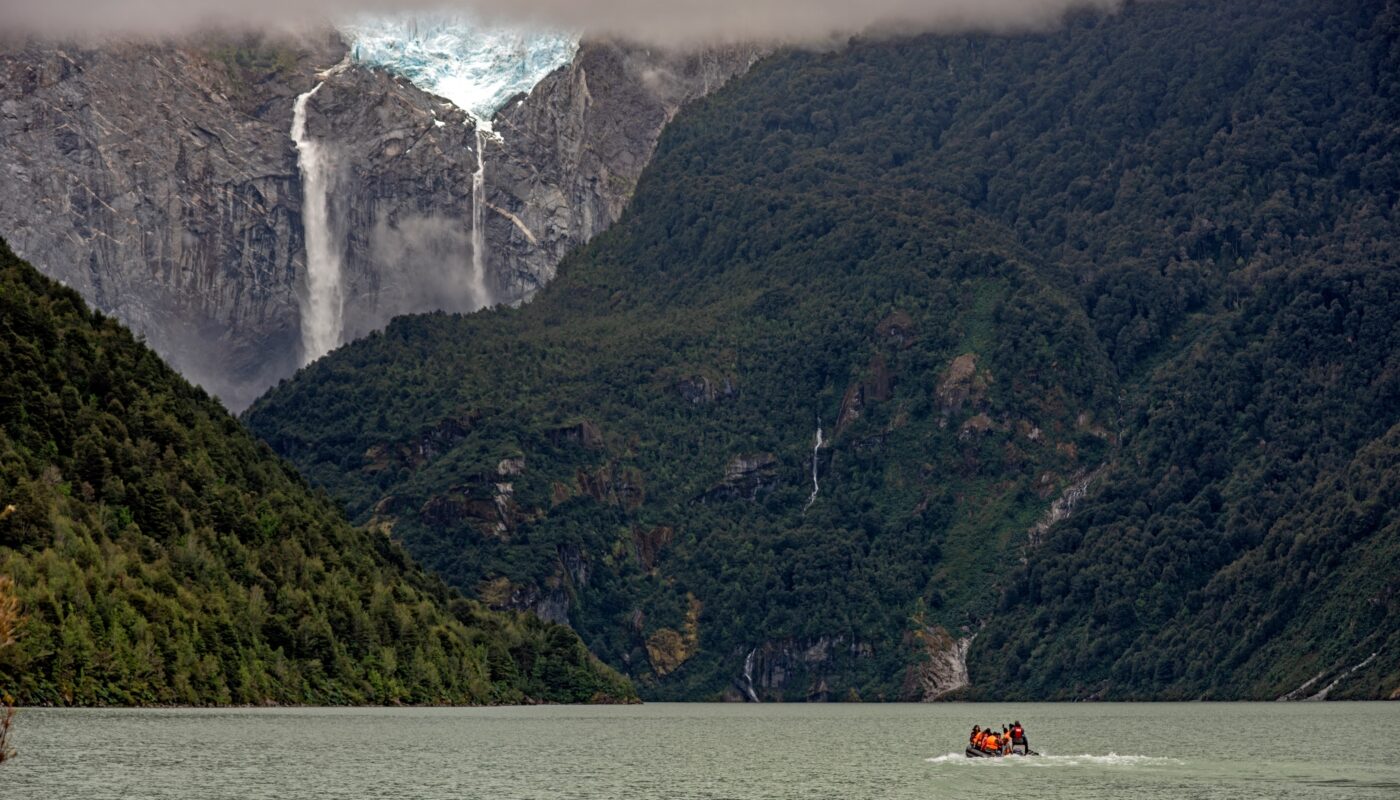
Cruising the fjord is the quintessential experience. From large sightseeing boats to small RIB tours, options include:
- Classic sightseeing ships — a relaxing way to see waterfalls and villages
- RIB speedboat tours — thrilling rides for adventurous travelers
- Traditional wooden boats — a nostalgic option with local guide commentary
Must-see highlights along the water:
- Seven Sisters Waterfall (De Syv Søstrene) — seven majestic streams cascading side by side
- The Suitor (Friaren) — a single, proud waterfall opposite the Sisters
- Brudesløret (The Bridal Veil) — water airy and delicate like lace
Cruises offer different perspectives depending on the time of day and visibility, so earlier or later departures can yield unique light and mood.
2. Hiking Trails With Epic Views
There’s no better way to experience Geirangerfjord than by setting foot on its scenic mountain trails.
Ørnesvingen (Eagle Road) Viewpoint
- One of the most iconic lookouts in Norway
- 11 hairpin bends lead to a panoramic platform above the fjord
- Ideal for sunrise or sunset
Storseterfossen
- A short hike leads behind a waterfall — an exhilarating sight and refreshing experience
- Easy to reach from the farm parking area
Skageflå and Knivsfla
- Historic mountain farms reachable via steeper hiking paths
- Offer sweeping views over the fjord from high above
- Best for experienced hikers, with terrain that varies from moderate to challenging
3. Kayaking and Small-Boat Adventures
Renting a kayak allows you to glide silently across the fjord. This slow-paced experience reveals intimate details of rocky cliffs, hidden coves, and wildlife that larger boats might miss.
Guided kayak tours also teach paddling techniques and local lore — perfect for nature lovers and active travelers.
4. Road Trips With Stunning Lookouts
Trollstigen Pass
A short drive from the fjord, this famous mountain road features:
- Dramatic switchbacks
- Elevated viewing platforms
- Roaring waterfalls
Dalsnibba Viewpoint
Drive high above Geirangerfjord to the Dalsnibba viewpoint, offering spectacular panoramic views from over 1,500 meters above sea level. The road to Dalsnibba may be closed in winter, so check seasonal access.
5. Local Culture and History
Strandafossen and Geiranger Village
The village of Geiranger lies at the fjord’s head and is full of:
- Artisan shops
- Traditional Norwegian cafes and bakeries
- Small museums and cultural exhibitions
Local guides often share stories about the fjord’s Viking history, farming traditions, and the days when isolation shaped community resilience.
Historical Farms
The fjord’s steep sides were once home to mountain farms where families lived and raised livestock in near-vertical fields. Today, remnants of these farms — such as Skageflå, Knivsfla, and Herdal — offer insight into a remarkable way of life.
6. Scenic Photography Spots
Geirangerfjord is a photographer’s dream. The interplay of light, water, and cliffs creates dramatic compositions year-round.
Top Photo Stops
- Geiranger Skywalk at Dalsnibba — panoramic vistas above the clouds
- Flydalsjuvet Viewpoint — a classic fjord overlook
- Waterfall close-ups from boat — especially early morning or golden hour
- Mountain ridges at dusk — soft warm tones highlight rugged terrain
Whether you’re shooting with a smartphone or a professional camera, angles around the fjord lend themselves to epic landscapes and reflective water shots.
7. Adventure Activities for Thrill Seekers
Those seeking adrenaline can find experiences beyond cruising and hiking.
Zipline and Bike Tours
- Zipline over the fjord — speeds and swoops with unparalleled views
- Bike downhill tours — combine thrill with scenic terrain
Paragliding
Guided tandem paragliding flights launch from high ridges, offering a bird’s-eye perspective of fjord lines and waterfall streams — a truly unforgettable experience.
8. Local Cuisine and Dining Experiences
Norwegian cuisine highlights fresh, local ingredients and simplistic elegance.
Food to Try
- Fresh Arctic char from mountain streams
- Reindeer or lamb cooked with herbs and root vegetables
- Norwegian waffles with brunost (caramelized brown cheese)
- Fjord-fresh seafood with dill and lemon
- Cloudberry desserts — a Nordic specialty
Best Places to Eat
- Brasserie Posten in Geiranger — modern takes on local classics
- Café Ole — cozy and casual fjord view dining
- Westerås Farm Café — organic fare with sweeping vistas
Many visitors combine dining with fjord views — eating fresh food while gazing out over serene waters adds a deeply memorable dimension to the day.
9. Accommodation: Where to Stay
Luxury Stays
- Hotel Union Geiranger —A classic hotel with contemporary amenities
- Grande Fjord Hotel — classic elegance with waterside views
Mid-Range Options
- Geiranger Fjordferie — Apartments and cottages close to the fjord
- Villa Hauxe — cozy guesthouse with local charm
Camping and Cabins
Many travelers prefer cabins or campgrounds around the fjord for closer nature access. Well-equipped sites often feature direct fjord views and campfire areas.
10. Practical Travel Tips
Fjord Weather
Weather can change quickly:
- Bring layered clothing
- Waterproof outerwear is recommended
- Check forecast before hiking
Transportation Considerations
- Ferries operate frequently in summer and less often in winter
- Car rentals provide flexibility, especially for exploring viewpoints
- Public buses link Geiranger with other Norwegian cities
Safety
- The difficulty of the trails varies, so pick one based on your level of fitness.
- Water temperatures stay cold year-round; swimming requires caution
- Always follow local trail signs and guides
Geirangerfjord at a Glance
| Feature | Highlight |
|---|---|
| Location | Møre og Romsdal, Western Norway |
| Length | ~15 km (9 miles) |
| UNESCO Status | World Heritage Site |
| Best Seasons | Summer & Shoulder Seasons |
| Top Activities | Fjord cruises, hiking, kayaking |
| Iconic Views | Seven Sisters, Eagle Road, Dalsnibba |
| Cuisine | Arctic char, reindeer, cloudberries |
Conclusion: Why Geirangerfjord Belongs on Every Traveler’s Map
Geirangerfjord is more than a scenic destination — it’s a testament to the power of geological forces and the beauty of nature kept in balance with culture and hospitality. Whether you’re drawn by the promise of majestic waterfalls, the thrill of mountain hikes, or the simple pleasure of watching light dance across deep waters, this fjord delivers on every front.
From summer cruises to winter serenity, from sunrise reflections to epic photographic panoramas, Geirangerfjord is not just a place to visit — it’s a landscape to be experienced. The rhythms of water and stone here leave a lasting mark on every traveler fortunate enough to walk its shores or sail its glassy surface.
When you plan your trip, remember that the fjord rewards those who embrace both its natural wonders and the cultural experiences found in the villages that hug its edges. With thoughtful timing, curiosity, and a willingness to explore, your journey to Geirangerfjord can become one of the most enriching chapters in your travel story.