 by
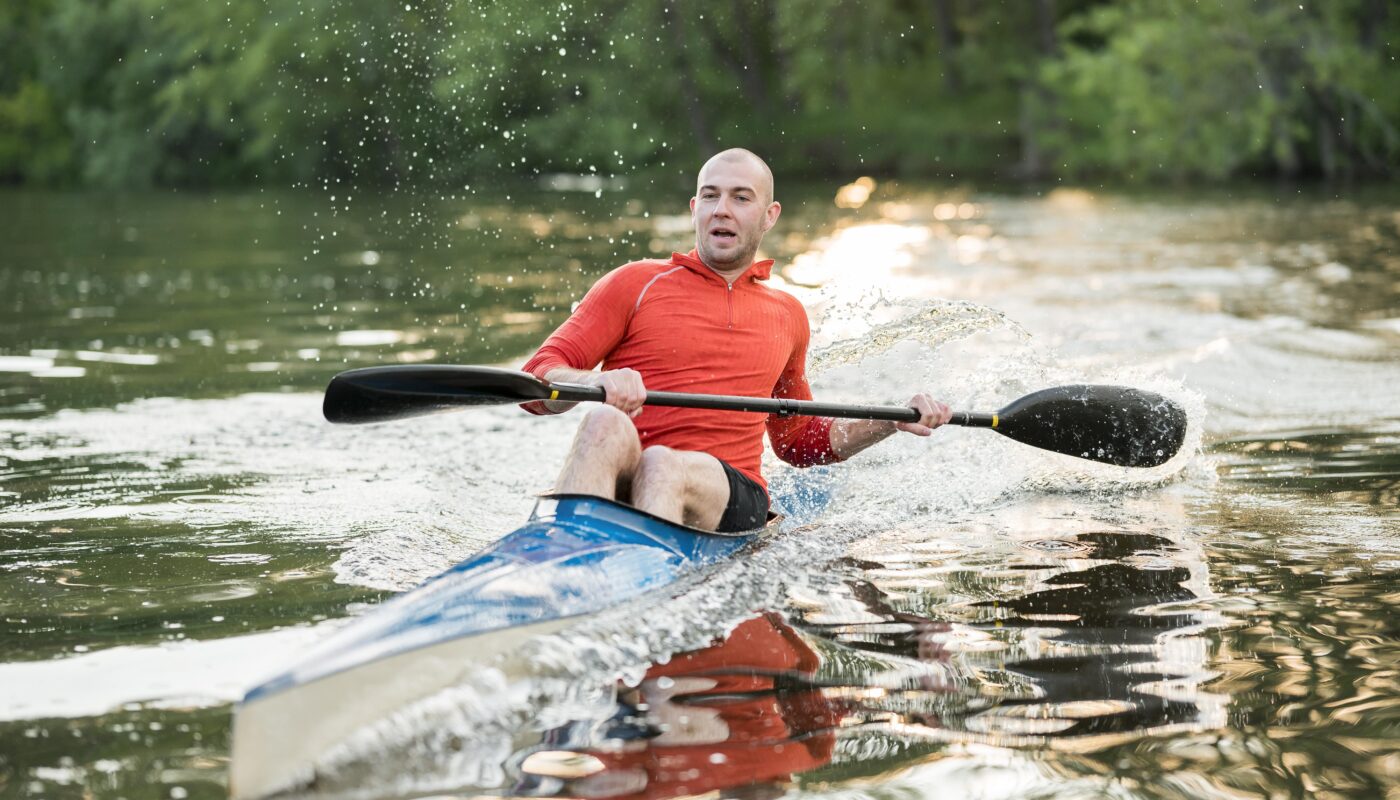
by Kayaking through dramatic fjords is one of the most unforgettable ways to experience coastal wilderness. Gliding quietly across deep blue water while towering cliffs rise hundreds of meters above you creates a sense of scale and tranquility that few other travel experiences can match. In destinations such as Geirangerfjord and Nærøyfjord, paddlers can explore waterfalls, narrow inlets, and remote beaches that larger boats cannot reach.
However, before embarking on a fjord kayaking adventure, travelers face an important decision: should they go with a guided tour or explore independently? Both options offer distinct advantages and challenges. Guided trips provide safety, local expertise, and convenience, while independent kayaking offers freedom, flexibility, and a stronger sense of adventure.
This article explores the pros and cons of guided and independent fjord kayaking to help travelers determine which experience suits them best.
Why Fjords Are Ideal for Kayaking
Fjords are long, narrow sea channels carved by glaciers thousands of years ago. Their steep sides, calm waters, and stunning scenery create an environment that is perfectly suited for kayaking.
Norway, home to some of the world’s most famous fjords, offers particularly exceptional kayaking opportunities. Locations like Geirangerfjord are known for dramatic waterfalls and towering cliffs, while Nærøyfjord is one of the narrowest fjords in the world, providing an intimate paddling environment.
Because fjords are often sheltered from strong ocean waves, kayaking conditions can be surprisingly calm. At the same time, their size and depth create a sense of awe that few other kayaking environments can match.
Yet despite their beauty, fjords can also present challenges such as cold water, changing weather, and boat traffic. Choosing the right type of kayaking experience is therefore essential.
Guided Fjord Kayaking
Guided kayaking tours are organized excursions led by experienced professionals. These guides are trained in safety procedures, navigation, and environmental awareness.
Guided tours are widely available in major fjord destinations across Norway and other fjord regions. They typically range from short two-hour paddles to multi-day expeditions that include camping along remote shorelines.
Advantages of Guided Kayaking
1. Safety and Professional Support
One of the greatest benefits of guided kayaking is the presence of trained professionals. Fjord conditions can change quickly due to shifting winds or sudden weather changes.
Guides help ensure safety by:
- Monitoring weather forecasts
- Choosing safe paddling routes
- Providing rescue support if needed
- Teaching proper paddling techniques
For beginners or travelers unfamiliar with fjord environments, this guidance can significantly reduce risks.
2. Local Knowledge and Storytelling
Experienced guides often know the fjord region intimately. They can point out hidden features and explain the natural history of the landscape.
For example, paddling through Geirangerfjord with a guide may reveal fascinating stories about abandoned mountain farms perched high above the water. Guides also share insights about wildlife, geology, and cultural traditions that visitors might otherwise miss.
This narrative gives the encounter more nuance and context.
3. Ideal for Beginners
Many guided tours are designed for people with little or no kayaking experience. Before launching onto the water, participants usually receive a short training session that covers:
- Basic paddling strokes
- Steering and balance
- Safety procedures
- How to enter and exit the kayak
This introduction makes kayaking accessible even to first-time paddlers.
4. Equipment Is Provided
Another advantage of guided tours is that equipment is typically included. Guests are provided with:
- Kayaks
- Paddles
- Life jackets
- Dry bags for personal items
- Cold-water protective clothing
This eliminates the need to transport or purchase specialized gear.
5. Organized Logistics
Planning a fjord kayaking trip can be complicated, especially in remote regions. Guided tours handle many of these details, including:
- Transportation to launch points
- Route planning
- Safety preparation
- Food and camping equipment for longer trips
For travelers who prefer a stress-free experience, this organization can make a significant difference.
Disadvantages of Guided Kayaking
Despite the many advantages, guided kayaking is not the perfect choice for everyone.
1. Limited Freedom
Guided tours follow predetermined routes and schedules. Participants must stay with the group and follow the guide’s instructions.
This structure means paddlers cannot easily explore side channels or stop whenever they want.
Travelers who enjoy spontaneous exploration may find this restriction frustrating.
2. Group Environment
Guided trips usually involve multiple participants. While this can create a friendly atmosphere, it also means that individual preferences must adapt to the group.
For example:
- Faster paddlers may need to slow down
- Quiet nature lovers may encounter more conversation
- Large groups may feel less immersive
Those seeking solitude might prefer independent kayaking.
3. Higher Costs
Guided tours often cost more than independent trips because they include professional guides, equipment, and logistical support.
Prices vary depending on the length of the tour, but multi-day guided expeditions can be relatively expensive compared to self-planned adventures.
Independent Fjord Kayaking
Independent kayaking allows paddlers to plan and execute their own journeys without a guide. Travelers may rent kayaks locally or bring their own equipment.
This option is popular among experienced kayakers who enjoy planning their own routes and exploring remote areas.
Advantages of Independent Kayaking
1. Complete Flexibility
Independent kayaking offers total freedom. Paddlers can choose where to go, how fast to travel, and when to stop.
This flexibility allows adventurers to:
- Explore hidden coves
- Change routes spontaneously
- Spend extra time in favorite locations
Such freedom can make the journey feel more personal and adventurous.
2. Stronger Sense of Exploration
Planning and completing a self-guided kayaking trip often brings a deep sense of accomplishment.
Independent paddlers must manage navigation, route planning, and weather decisions themselves. Successfully handling these responsibilities can make the experience especially rewarding.
3. Lower Costs
Without guide fees, independent kayaking can be significantly cheaper.
Expenses usually include:
- Kayak rental or equipment purchase
- Transportation
- Food and accommodation
For longer trips, this cost difference can be substantial.
4. Greater Solitude
Many travelers visit fjords seeking peace and connection with nature. Independent kayaking often provides a more tranquil experience because paddlers are not part of a tour group.
Quiet mornings on the water, distant waterfalls, and occasional wildlife encounters become more intimate when experienced alone or with a small group of friends.
Disadvantages of Independent Kayaking
While independence offers many benefits, it also comes with additional responsibilities and risks.
1. Safety Challenges
Fjord environments can be unpredictable. Strong winds may suddenly funnel through narrow valleys, and cold water temperatures create a risk of hypothermia.
Without a guide, paddlers must manage these hazards themselves.
Knowledge of rescue techniques and safety procedures becomes essential.
2. Skill Requirements
Independent fjord kayaking usually requires solid paddling skills. Beginners may struggle with balance, navigation, or emergency responses.
Important skills include:
- Self-rescue after capsizing
- Reading weather conditions
- Navigating coastal waters
- Managing fatigue during long paddles
Without these abilities, independent trips can become dangerous.
3. Planning Complexity
Organizing an independent kayaking expedition requires careful preparation.
Travelers must plan:
- Routes and distances
- Weather considerations
- Emergency contacts
- Equipment needs
- Food and water supplies
Multi-day trips may also require knowledge of suitable camping locations.
4. Limited Emergency Support
If something goes wrong during an independent trip, assistance may not be immediately available.
Remote fjords often have limited communication coverage, and rescue services may take time to reach certain areas.
Carrying safety equipment such as radios or satellite communication devices becomes very important.
Choosing the Right Option
The choice between guided and independent fjord kayaking depends on several factors.
Guided tours are ideal for:
- Beginners
- Travelers unfamiliar with kayaking
- Visitors who want expert insights
- People who prefer organized activities
Independent kayaking is better for:
- Experienced paddlers
- Adventure seekers
- Travelers seeking solitude
- Those comfortable planning their own routes
Some travelers choose a hybrid approach: starting with a guided tour to learn the basics before attempting independent kayaking later.
Environmental Responsibility
Regardless of how the journey is organized, protecting the fragile ecosystems of fjords is essential.
Responsible paddlers should:
- Keep distance from wildlife
- Avoid disturbing seabird nesting areas
- Pack out all waste
- Respect local communities
Sustainable travel practices help ensure that fjord landscapes remain pristine for future visitors.
Conclusion
Kayaking through fjords is an extraordinary way to experience nature. Surrounded by towering cliffs and cascading waterfalls, paddlers gain a perspective that is impossible from land or large boats.
Guided kayaking offers safety, convenience, and expert knowledge, making it an excellent choice for beginners and travelers seeking structured adventures. For seasoned paddlers, however, independent kayaking offers flexibility, seclusion, and a more profound sense of exploration.
Both options can lead to unforgettable journeys through some of the world’s most breathtaking landscapes. Whether following a guide through famous fjords like Geirangerfjord or charting a personal route through the quiet waters of Nærøyfjord, the experience of fjord kayaking remains one of the most powerful ways to connect with nature.