 by
by Exploring fjords is one of the most breathtaking travel experiences in the world. These deep, glacially carved waterways—framed by towering cliffs, waterfalls, and quiet villages—are especially iconic in Norway. While many visitors rely on cruises or road trips, a more immersive and flexible approach is to combine trains and boats into a single journey.
This method allows you to experience the dramatic contrasts that define fjord landscapes—from elevated mountain plateaus to sea-level passages through narrow inlets. By thoughtfully linking rail and water routes, you can create a seamless adventure that feels both efficient and deeply rewarding.
This guide will walk you through how to design the perfect fjord journey using trains and boats, covering route ideas, planning strategies, timing tips, and common pitfalls to avoid.
Why Combine Trains and Boats?
Fjords are shaped by extremes. Their towering sides and deep waters cannot be fully appreciated from a single perspective. That’s where combining transportation modes becomes so powerful.
The Benefits of This Approach
- Layered perspectives: Trains reveal sweeping, high-altitude views, while boats bring you into the heart of the fjords
- Natural transitions: Many rail lines end near fjord communities, making transfers intuitive
- Ease of travel: You avoid the challenges of driving narrow mountain roads
- Eco-conscious option: Public transport reduces environmental impact compared to private vehicles
Rather than simply moving between destinations, the journey itself becomes the highlight.
How Fjord Transport Systems Work
In regions like western Norway, transportation networks are designed to connect remote landscapes efficiently.
Typical Journey Flow
- Begin in a major city such as Oslo or Bergen
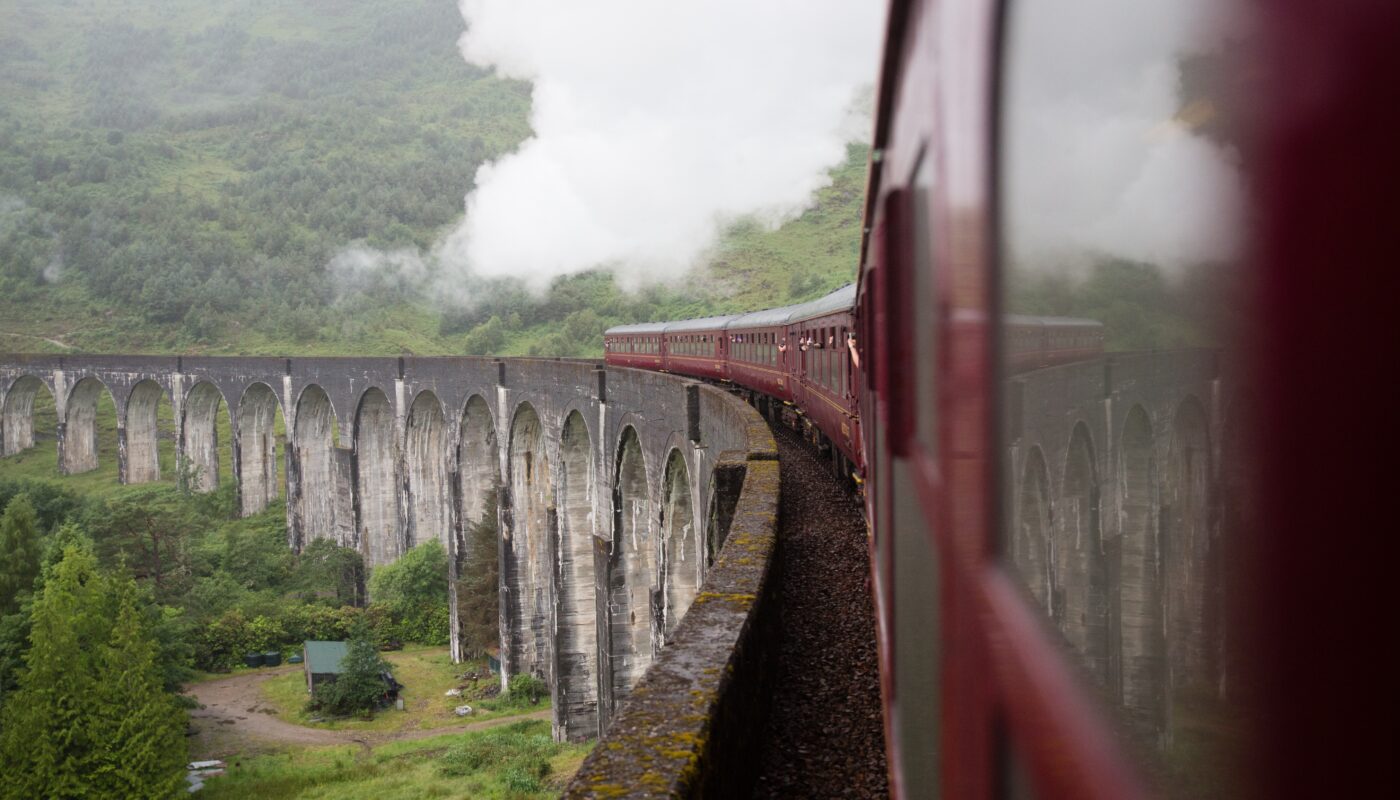
- Travel by train across mountainous terrain
- Transfer at a junction station like Myrdal
- Descend to a fjord-side village such as Flåm
- Continue your journey by boat through the fjord
This structure reflects geography. Fjords often extend far inland, and boats are the most efficient way to navigate them, while trains handle long-distance travel across mountains.
Iconic Train-and-Boat Routes
1. Oslo to Bergen via Flåm
One of the most famous travel routes in Scandinavia connects Oslo and Bergen through a combination of rail and fjord cruising.
Route Overview:
- Train from Oslo to Myrdal via the Bergen Railway
- Scenic descent on the Flåm Railway
- Boat journey through the Nærøyfjord
- Connection onward to Bergen
The transition from mountain railway to fjord cruise is seamless. One moment you’re crossing high-altitude terrain; the next, you’re gliding through calm waters surrounded by steep cliffs.
2. Bergen to Sognefjord Region
Starting in Bergen places you closer to fjord landscapes from the outset.
Highlights:
- Train travel into inland valleys
- Access to fjord villages such as Flåm
- Boat exploration across the Sognefjord
The Sognefjord is the longest and deepest fjord in Norway, offering a wide range of scenery—from broad expanses of water to narrow, dramatic branches.
3. Extended Fjord Circuits
For travelers with more time, multi-day journeys connect multiple fjords and transport systems.
These routes may include:
- Hardangerfjord
- Geirangerfjord
- Coastal ferry routes linking regions
These extended itineraries allow you to experience a broader range of landscapes, from orchards and waterfalls to rugged mountain terrain.
Step-by-Step Planning Guide
Step 1: Choose Your Starting City
Your starting point shapes your entire journey.
- Oslo offers a gradual transition from urban life to nature
- Bergen provides quicker access to fjords
Both options are excellent—it simply depends on your travel style and time constraints.
Step 2: Select a Route That Matches Your Goals
Consider:
- How many days you have
- Whether you prefer iconic routes or quieter alternatives
- Your interest in hiking, photography, or relaxation
For first-time visitors, the Oslo–Flåm–Bergen route is often the most balanced choice.
Step 3: Coordinate Schedules
Although many connections are designed to align, it’s still important to verify timing.
Pay attention to:
- Train arrival times
- Boat departure schedules
- Seasonal variations
Planning ahead ensures smooth transitions and minimizes waiting time.
Step 4: Decide Between DIY and Package Travel
Independent Travel
- Greater flexibility
- Potential cost savings
- Requires more research
Pre-Planned Packages
- Simplified logistics
- Guaranteed connections
- Ideal for first-time visitors
Both approaches can work well—it depends on how much control you want over your itinerary.
Best Times for a Fjord Journey
Seasonal Considerations
Summer (June to August)
- Long daylight hours
- Comfortable temperatures
- Busiest season
Spring (May) and Autumn (September)
- Fewer crowds
- Dramatic lighting and colors
- Slightly cooler weather
Most train-and-boat routes operate most frequently between late spring and early autumn.
Time of Day Matters
- Morning trains offer crisp views and clearer skies
- Midday boat rides provide optimal lighting for photography
- Evening travel creates a quieter, more reflective atmosphere
Choosing the right timing can significantly enhance your experience.
Practical Tips for a Smooth Journey
Pack Light
Switching between trains and boats is much easier when you’re not managing heavy luggage. Compact packing makes transitions smoother.
Book Early
Popular routes—especially the Flåm Railway—can sell out quickly during peak months.
Dress in Layers
Weather in fjord regions can change rapidly. Bring:
- A waterproof jacket
- Warm layers
- Comfortable walking shoes
Take Your Time
Avoid rushing from one connection to the next. Spend time in fjord villages like Flåm to fully appreciate the surroundings.
Choose Scenic Seating
On some train routes, one side offers better views. A little research can make a big difference.
Common Mistakes to Avoid
Overloading Your Itinerary
Trying to visit too many fjords in a short time can make the journey feel rushed. Focus on quality over quantity.
Ignoring Weather Conditions
Fog and rain can obscure views, but they also add atmosphere. Stay flexible and adjust plans if needed.
Missing Connections
Even well-planned systems can experience delays. Always allow a buffer between transfers.
Skipping Boat Segments
Fjords are best experienced from the water. Boats provide perspectives you simply can’t get from land.
Why This Combination Works So Well
The success of combining trains and boats lies in how naturally they complement each other.
- Trains showcase the scale and elevation of the landscape
- Boats reveal the detail and intimacy of the fjords
Together, they create a complete and immersive experience that no single mode of transport can offer.
Final Thoughts
A fjord journey that blends rail and water travel is more than just a convenient way to get around—it’s an experience designed to reveal the landscape from every angle.
From the sweeping views aboard the Flåm Railway to the शांत glide through the Nærøyfjord, each segment adds depth and richness to your journey.
With thoughtful planning, a flexible mindset, and a willingness to slow down, you can create a fjord adventure that is both seamless and unforgettable.