 by
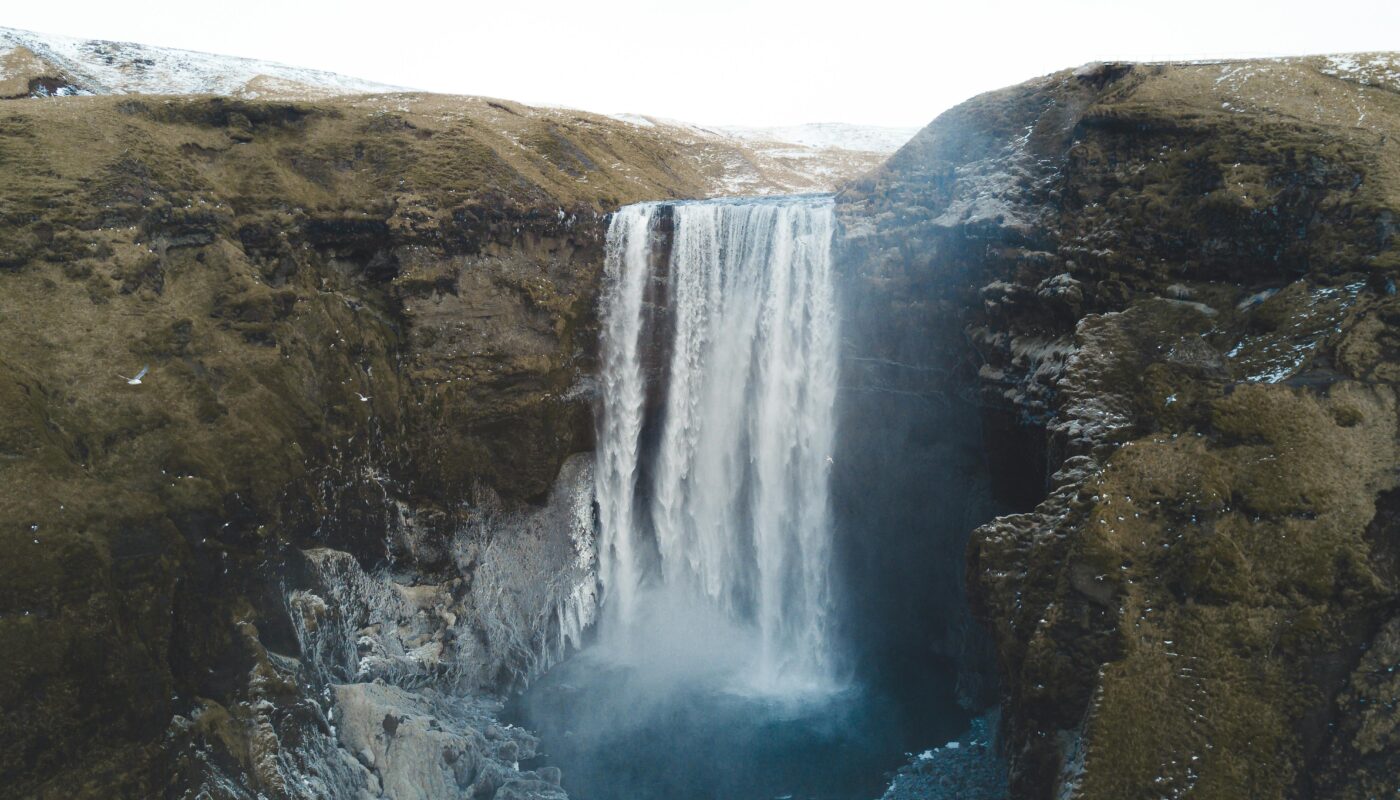
by Fjords are among the most dramatic landscapes on Earth. Carved by ancient glaciers and surrounded by towering cliffs, deep blue waters, and mist-covered peaks, they create a dream setting for photographers. One of the most captivating features of fjord environments is their waterfalls — powerful streams plunging from steep mountainsides directly into the sea or quiet inlets.
From Norway’s famous cascading giants to hidden waterfalls in Patagonia and New Zealand, photographing waterfalls in fjords offers unmatched creative opportunities. Yet these environments also present unique challenges: unpredictable weather, extreme lighting contrasts, moisture, and constantly changing conditions.
Whether you are a beginner traveler with a smartphone or an experienced landscape photographer carrying professional gear, this guide will teach you how to capture breathtaking waterfall images in fjord landscapes.
Why Fjord Waterfalls Are So Special
Unlike waterfalls found in forests or tropical regions, fjord waterfalls exist in a rare geological setting. Glacial activity carved deep valleys millions of years ago, leaving behind sheer rock walls where meltwater continues to flow.
Several factors make fjord waterfalls visually unique:
- Extreme height — many fall hundreds of meters from mountain peaks.
- Direct connection to the sea — waterfalls often plunge straight into fjord waters.
- Constant motion — snowmelt and rainfall change flow intensity daily.
- Atmospheric drama — fog, clouds, and shifting sunlight add mood.
These characteristics allow photographers to capture images that feel both grand and intimate at the same time.
Understanding Light in Fjord Landscapes
Light is the single most important element in waterfall photography.
1. Shoot During Golden Hour
Early morning and late evening produce soft, warm light that enhances textures in cliffs and water. Fjords often remain shaded for long periods due to steep mountains, which actually helps reduce harsh shadows.
Benefits of golden hour shooting:
- Balanced exposure between sky and land
- Enhanced color saturation
- Less glare on water surfaces
Morning light is especially magical because mist often lingers around waterfalls.
2. Use Overcast Days to Your Advantage
Many photographers fear cloudy weather, but fjords transform beautifully under overcast skies.
Cloud cover works as a natural diffuser, creating:
- Even lighting across the scene
- Reduced highlights and blown-out whites
- Rich greens and deeper blues
In fact, some of the best waterfall images are captured on rainy days when water flow increases dramatically.
3. Watch for Changing Weather
Fjord weather can change rapidly — sunshine, fog, rain, and wind may occur within minutes. Instead of packing away your camera, stay patient.
Dramatic moments often appear right after rainfall when sunlight breaks through clouds and illuminates waterfalls with glowing contrast.
Choosing the Right Camera Settings
You don’t need the most expensive equipment, but understanding camera settings will significantly improve your results.
Shutter Speed: Creating Motion or Power
Waterfall photography revolves around shutter speed.
Slow shutter speed (1/4 sec – several seconds)
- Creates silky, smooth flowing water
- Adds dreamlike atmosphere
- Ideal for calm scenes
Fast shutter speed (1/500 sec or faster)
- Freezes droplets and splashes
- Emphasizes power and energy
- Great during windy or stormy conditions
Experiment with both styles to tell different visual stories.
Aperture Settings
A narrower aperture (higher f-number) works best for landscape scenes.
Recommended range:
- f/8 to f/16
This provides:
- Sharp foreground and background detail
- Greater depth of field
- Crisp textures in rocks and mountains
ISO Settings
Keep ISO low whenever possible.
- ISO 100–200 produces the cleanest images.
- Increase ISO only when light becomes very limited.
Low ISO preserves subtle color transitions common in fjord environments.
Essential Gear for Fjord Waterfall Photography
You can create great images with minimal equipment, but certain tools make a huge difference.
Tripod
A sturdy tripod is almost essential for slow shutter photography.
Fjord environments often include:
- Wind from open water
- Uneven rocky surfaces
- Long exposure shooting
A tripod ensures sharp images even during long exposures.
Neutral Density (ND) Filter
An ND filter reduces incoming light, allowing longer exposures even during daylight.
Benefits include:
- Smooth waterfall motion
- Balanced sky exposure
- Creative long-exposure effects
Many professionals consider ND filters indispensable for waterfall photography.
Polarizing Filter
A circular polarizer helps manage reflections from water and wet rocks.
It enhances:
- Color saturation
- Cloud contrast
- Visibility beneath water surfaces
This small accessory can dramatically transform a scene.
Weather Protection
Fjords are wet environments.
Always carry:
- Rain cover for your camera
- Microfiber cloths for lens cleaning
- Waterproof backpack
Mist from waterfalls can quickly coat your lens with droplets.
Composition Techniques That Elevate Your Images
Great waterfall photography goes beyond technical settings. Composition determines emotional impact.
Use Leading Lines
Fjords naturally provide strong leading lines:
- Shorelines
- Mountain ridges
- Flowing water streams
Guide the viewer’s eye toward the waterfall as the main subject.
Include Foreground Elements
Foreground details add depth and scale.
Examples include:
- Moss-covered rocks
- Wildflowers
- Driftwood
- Reflections in fjord water
Without foreground interest, massive landscapes may feel flat.
Show Scale
Fjord waterfalls are enormous. To communicate their size:
- Include boats or kayaks
- Photograph people at a distance
- Capture nearby cliffs for comparison
Scale transforms an image from pretty to awe-inspiring.
Try Vertical Framing
Many waterfalls in fjords are extremely tall. Vertical orientation often works better than traditional landscape framing.
Vertical shots emphasize height and motion, especially when cliffs rise dramatically above the water.
Finding Unique Perspectives
Tourist viewpoints often produce similar photographs. To create distinctive images, explore alternative angles.
Photograph From the Water
Boat tours or kayaking provide rare perspectives.
From the fjord surface you can capture:
- Waterfalls plunging directly overhead
- Reflections on calm water
- Immense cliff formations
Water-level shooting creates immersive compositions.
Look Upward
Instead of photographing waterfalls straight on, stand close to the base and aim upward.
This approach emphasizes:
- Height
- Power
- Dramatic perspective distortion
Wide-angle lenses work exceptionally well here.
Capture Reflections
On calm mornings, fjords act like mirrors.
Position yourself where waterfalls reflect in still water for symmetrical compositions that feel serene and balanced.
Working With Mist and Atmosphere
Mist is part of the fjord experience.
Rather than avoiding it, learn to use it creatively.
Mist can:
- Add mystery and depth
- Soften harsh backgrounds
- Create layered compositions
Backlighting mist during sunrise or sunset produces glowing halos around waterfalls — one of the most magical photographic moments you can capture.
Timing Your Visit
Season strongly affects waterfall photography in fjords.
Spring and Early Summer
Best overall conditions.
- Snowmelt creates powerful flows
- Lush greenery appears
- Long daylight hours provide flexibility
This is peak waterfall season.
Mid-Summer
Still excellent, though water flow may decrease slightly.
Advantages include:
- Easier hiking access
- Midnight sun opportunities in northern regions
Autumn
Autumn adds warm colors to dramatic landscapes.
Expect:
- Golden foliage
- Moody fog
- Fewer crowds
Waterfalls remain strong after seasonal rains.
Winter
Winter transforms waterfalls into frozen sculptures.
Challenges include:
- Limited daylight
- Difficult travel conditions
- Extreme cold
But results can be extraordinary for adventurous photographers.
Managing Exposure Challenges
Fjords often present extreme contrast between bright skies and dark cliffs.
To manage exposure:
- Use exposure bracketing and blend images later.
- Slightly underexpose to protect highlights.
- Shoot in RAW format for greater editing flexibility.
Modern cameras capture incredible detail when exposure is carefully controlled.
Post-Processing Tips
Editing is an important part of waterfall photography.
Focus on enhancing natural beauty rather than overprocessing.
Key adjustments:
- Increase contrast gently to reveal textures.
- Adjust white balance for realistic tones.
- Reduce highlights in bright water areas.
- Add clarity selectively to rocks and cliffs.
Avoid excessive sharpening or saturation — fjord landscapes already possess dramatic character.
Safety Tips for Fjord Photography
Beautiful locations can also be dangerous.
Always remember:
- Wet rocks are extremely slippery.
- Sudden wind gusts occur near cliffs.
- Tides and waves can change quickly.
- Maintain distance from unstable edges.
No photograph is worth risking personal safety.
Storytelling Through Waterfall Photography
The most memorable images tell stories rather than simply document scenery.
Ask yourself:
- What emotion does this waterfall evoke?
- Is the mood peaceful, powerful, or mysterious?
- How can light, framing, and timing communicate that feeling?
Sometimes a small hidden waterfall captured in soft fog tells a stronger story than a famous landmark photographed at noon.
Common Mistakes to Avoid
Even experienced photographers make errors when shooting fjord waterfalls.
Avoid these pitfalls:
- Shooting only at midday
- Ignoring foreground composition
- Using overly fast shutter speeds exclusively
- Forgetting lens cleaning in misty conditions
- Rushing instead of waiting for changing light
Patience is often the difference between an average photo and an unforgettable one.
Developing Your Personal Style
Fjord waterfall photography offers endless creative freedom.
Experiment with:
- Minimalist compositions
- Long exposure abstracts
- Dramatic storm lighting
- Black-and-white processing
- Wide cinematic landscapes
Over time, you will discover a visual style that reflects how you personally experience these wild environments.
Final Thoughts
Photographing waterfalls in fjords is more than a technical exercise — it is an encounter with some of the planet’s most powerful natural forces. Towering cliffs, shifting weather, roaring water, and silent reflections combine to create moments that feel timeless.
Success comes from preparation, patience, and curiosity. Learn to read the light, embrace unpredictable weather, explore new viewpoints, and allow the landscape to guide your creativity.
When everything aligns — soft light touching cascading water, mist drifting through mountains, and the fjord lying still below — you will capture more than a photograph. You will preserve a fleeting moment of nature’s grandeur.
And that is the true magic of photographing waterfalls in fjords.