 by
by When travelers think of dramatic fjords, their minds often drift to Norway or New Zealand. Yet just minutes from one of Canada’s most vibrant cities lies a coastal wonder many visitors overlook: Howe Sound. Stretching north from the outskirts of Vancouver into British Columbia’s mountainous wilderness, this deep glacial fjord is a place where ocean, forest, and peaks collide in spectacular fashion.
Often treated merely as a scenic backdrop on the drive to Whistler, Howe Sound deserves attention in its own right. It offers wildlife encounters, outdoor adventure, geological significance, and cultural depth — all within easy reach of urban life. Whether you’re an avid hiker, paddler, photographer, or simply someone seeking peaceful nature, Howe Sound is a destination that quietly delivers unforgettable experiences.
What Makes Howe Sound a Fjord
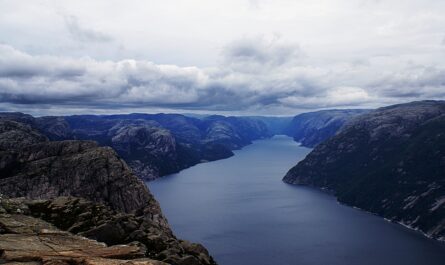
A fjord is a long, narrow inlet with steep sides, carved by glaciers and filled with seawater after ice retreats. Howe Sound fits this definition perfectly. During the last ice age, massive glaciers carved deep valleys through coastal mountains. When the ice melted, the sea flooded these basins, creating a dramatic landscape of steep rock walls, forested slopes, and deep blue channels.
Unlike many fjords in remote regions, Howe Sound sits beside major transportation routes, making it one of the most accessible fjord landscapes in the world.
Where Howe Sound Is Located
Howe Sound begins just northwest of Vancouver and extends roughly 40 kilometers inland. It is framed by:
- West Vancouver and the North Shore Mountains to the south
- Squamish at its northern tip
- Coastal mountain ranges rising sharply from the shoreline
The Sea-to-Sky Highway runs along its eastern edge, offering some of the most scenic road views in North America.
Why Howe Sound Is Often Overlooked
Despite its beauty, Howe Sound is sometimes overshadowed by:
- Vancouver’s city attractions
- Whistler’s ski reputation
- More famous national parks
Yet this fjord is a meeting point of ecosystems, cultures, and outdoor recreation that rivals far more distant destinations.
Wildlife of Howe Sound
The mix of ocean and forest creates diverse habitats.
Marine Life
The deep, cold waters support:
- Seals and sea lions
- Porpoises
- Occasional whales
- Schools of salmon
In recent years, improved environmental conditions have helped marine life rebound, making wildlife sightings more common.
Birdlife
Eagles soar above the shoreline, while seabirds gather near rocky outcrops. Autumn salmon runs often draw large numbers of birds and predators.
Land Animals
Black bears, mountain goats, and deer inhabit surrounding mountains and forests.
Outdoor Adventures in Howe Sound
1. Kayaking
You may discover calm coves at water level, waterfalls, and cliffs while paddling in Howe Sound. Calm mornings often bring glassy reflections of mountains.
2. Hiking
Trails range from easy forest walks to challenging alpine climbs.
- Stawamus Chief (Squamish): Granite cliffs with sweeping fjord views
- Sea to Summit Trail: Climbs from shoreline to alpine terrain
- Lighthouse Park: Coastal forest and rocky viewpoints
3. Rock Climbing
Squamish is internationally known for granite walls and multi-pitch routes overlooking Howe Sound.
4. Sailing and Boating
The fjord’s sheltered waters attract sailors and boaters exploring small islands and hidden bays.
The Scenic Sea-to-Sky Highway
One of the best ways to experience Howe Sound is simply by driving. The Sea-to-Sky Highway winds along cliffs with panoramic viewpoints. Stops include:
- Whytecliff Park
- Britannia Beach
- Shannon Falls
Each stop offers a different perspective on the fjord’s scale.
Cultural Significance
Howe Sound lies within the traditional territory of the Squamish Nation, whose history here stretches back thousands of years. The fjord’s waters, forests, and mountains hold cultural meaning, and Indigenous heritage remains an important part of the region.
A Story of Environmental Recovery
The area has seen industrial activity in the past, but conservation efforts and improved practices have helped ecosystems recover. Today, Howe Sound is recognized for its biodiversity and ongoing restoration.
Photography Opportunities
- Sunrise mist over water
- Snow-capped peaks in winter
- Fall forest colors
- Reflections on calm mornings
Every season brings a different mood.
Best Times to Visit
- Spring: Waterfalls flow strongly
- Summer: Ideal for paddling and hiking
- Autumn: Crisp air and fall colors
- Winter: Snow on peaks creates contrast
Hidden Gems
- Small islands accessible by kayak
- Quiet forest trails away from highways
- Coastal viewpoints reached by short walks
Practical Travel Tips
- Dress in layers
- Check marine and weather forecasts
- Respect wildlife
- Follow Leave No Trace principles
Why Howe Sound Deserves Your Attention
It combines accessibility with wilderness, adventure with tranquility, and city proximity with natural immersion. Few places offer such dramatic fjord scenery so close to a major urban center.
Conclusion
Howe Sound is not just a scenic detour — it’s a world-class fjord landscape waiting to be explored. From wildlife and hiking to cultural history and environmental resilience, it represents the best of coastal British Columbia. The next time you’re near Vancouver, don’t just pass by. Stop, explore, and discover why this fjord should never be ignored.