 by
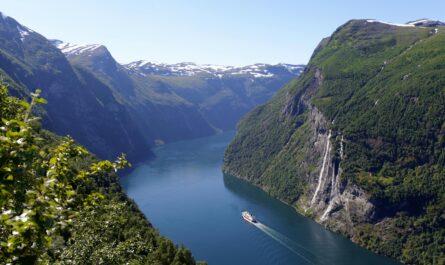
by Norway’s fjords are world-famous for their dramatic cliffs, cascading waterfalls, and serene waters. While many travelers admire them from a cruise ship or a viewpoint, the true essence of fjord life can only be understood by visiting the small villages that line these waterways. Life in these communities is a delicate balance between tradition and modernity, isolation and connectivity, and the breathtaking natural environment and the everyday realities of living there.
This article offers an insider’s perspective on what life is really like in small fjord villages—from the rhythms of daily life to local culture, work, and community—and why these villages continue to captivate the imagination of visitors and locals alike.
The Geography Shapes Life
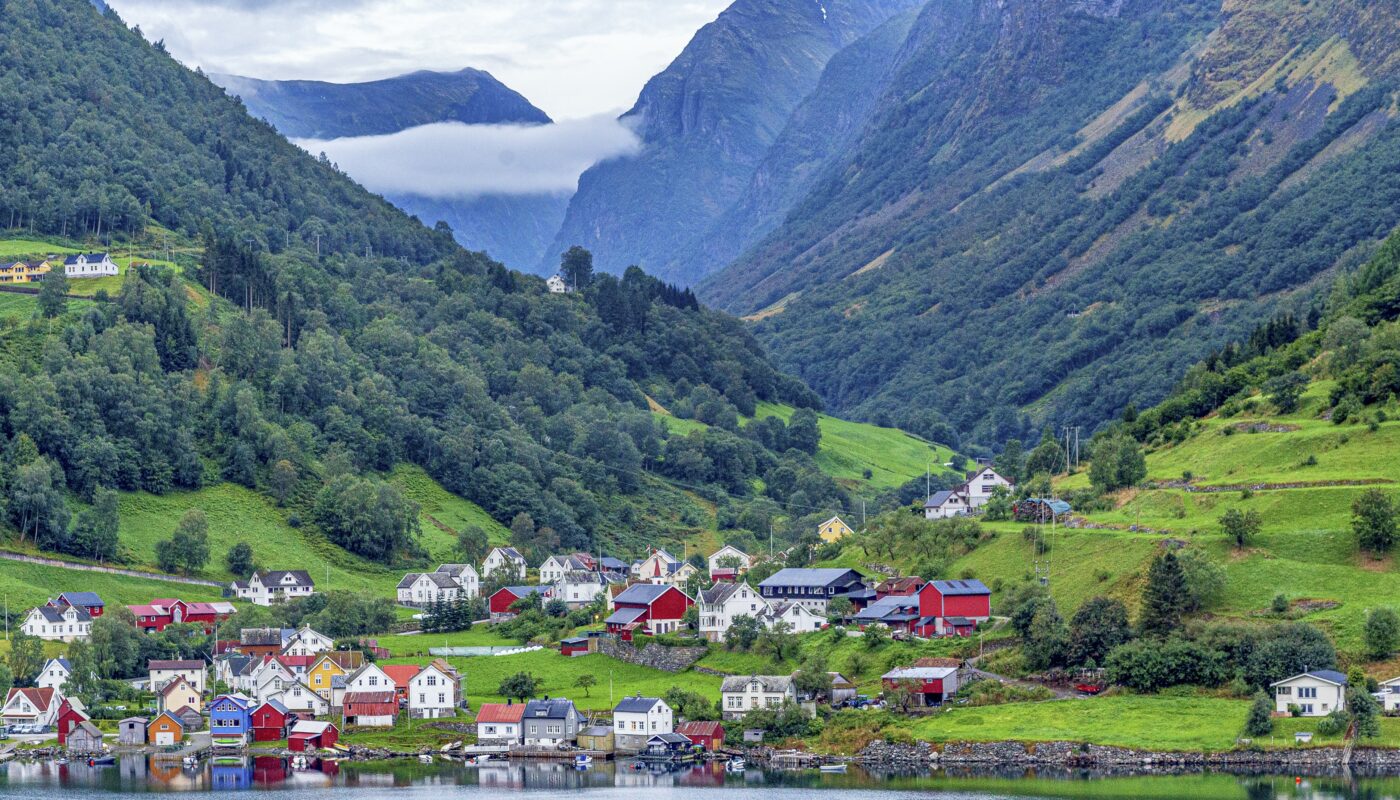
Fjord villages are defined by their geography. Most settlements cling to narrow strips of land between steep mountain slopes and deep, glacially carved waters. Roads are often limited, tunnels cut through mountains, and ferry connections replace bridges in many areas. This geography creates both charm and challenge.
Isolation is a defining feature. While it offers peace and stunning views, it also means access to services, schools, and healthcare can be limited. Residents have adapted over generations, developing strong self-sufficiency, reliance on local networks, and a deep connection to their surroundings.
The Rhythm of Daily Life
Daily life in a fjord village is shaped by nature and seasonality. Winter brings long nights and cold weather, with snow covering mountains and frozen lakes. Summer, in contrast, brings almost continuous daylight, vibrant greenery, and an influx of tourists. Locals adjust their routines accordingly.
Fishing, farming, and small-scale tourism remain cornerstones of local economies. Many families have long traditions tied to the sea, growing up with skills passed down from parents and grandparents. Even those who work in modern professions often maintain a connection to traditional livelihoods, whether through fishing, gardening, or artisanal crafts.
Community and Social Life
In small fjord villages, community is everything. Populations can range from a few dozen to a few hundred residents, which fosters strong relationships and a sense of shared responsibility.
Social interaction centers include local churches, schools, and community centers. Festivals and gatherings, often centered around seasonal events, create opportunities for celebration and cultural continuity. For example, summer festivals celebrating local music, food, or maritime heritage draw everyone together and also invite visitors to participate.
Neighbors know one another and frequently collaborate to manage resources, maintain infrastructure, or organize events. There is a deep appreciation for mutual support, which is essential in isolated settings where professional services may be limited.
Work and Economy
Employment in fjord villages can be varied, but it often reflects the natural resources and tourism appeal of the region. Fishing and aquaculture remain traditional livelihoods, providing both food and income. Some residents work in agriculture, maintaining small farms or producing artisanal goods such as cheese, preserves, or wool products.
Tourism has become increasingly important. Many residents own modest eateries and cafés, rent chalets, or serve as local guides. While tourism brings revenue and opportunity, it also introduces seasonal fluctuations in income and the need to balance visitor expectations with local life.
Remote work is gradually becoming more feasible as internet infrastructure improves, allowing younger generations to pursue careers while staying connected to their roots. This shift helps mitigate depopulation trends that many fjord communities face.
Housing and Daily Comforts
Homes in fjord villages are often small and sturdy, designed to withstand harsh weather. Many feature traditional wooden architecture with brightly painted facades—a practical choice for visibility during snowy winters and a reflection of local culture.
Modern conveniences like electricity, running water, and internet access are generally available, but some more remote settlements may still rely on wells, generators, or satellite connections. Heating is essential, with wood-burning stoves and efficient insulation helping residents cope with cold winters.
Transportation is an integral part of life. Cars are used where roads exist, but ferries and boats remain essential. This reliance on waterways shapes daily routines, from commuting to transporting goods.
Education and Healthcare
Small fjord villages often have local primary schools, ensuring children can stay close to home during early years. Secondary education may require travel to larger towns, either via daily commuting or boarding arrangements. While small class sizes allow for personalized education, access to specialized programs can be limited.
Healthcare is typically managed through local clinics, with doctors and nurses covering basic needs. More complex medical services require travel to hospitals in nearby towns. This reality fosters a culture of preparedness and mutual support among residents, as community members help each other navigate challenges.
Cultural Traditions and Heritage
Life in fjord villages is steeped in cultural heritage. Traditional crafts, music, and storytelling are often preserved and celebrated. Many villages have museums or small exhibits dedicated to local history, showcasing fishing tools, historic boats, and photographs documenting life in the fjords over centuries.
Cuisine is another important aspect. Meals frequently include berries, dairy products, preserved meats, and locally caught seafood. Cooking methods are often shaped by seasonality, with winter requiring preserved foods and summer offering fresh ingredients from gardens and waters.
Challenges of Isolation
While life in a fjord village is idyllic in many ways, it also comes with challenges. Harsh winters can limit mobility and access to supplies. Economic opportunities are sometimes limited, leading young people to move to larger towns or cities. Emergency situations, such as medical needs or severe weather events, require careful planning and local cooperation.
Despite these challenges, many residents value the slower pace, the natural beauty, and the tight-knit community, considering these benefits far outweigh the difficulties.
Modernization and Tourism
Tourism has transformed fjord villages in recent decades. Cruise ships, hiking trails, and adventure sports attract visitors, creating new economic opportunities. Local entrepreneurs have embraced ecotourism, cabin rentals, guided hikes, and cultural tours, blending income generation with preservation of traditions.
However, modernization is balanced with conservation. Villagers often emphasize sustainability, ensuring tourism does not overwhelm the environment or disrupt local life. This careful approach helps maintain the authenticity of fjord communities while benefiting from modern economic opportunities.
Seasonal Experiences
Each season offers a distinct perspective on fjord life:
- Spring: Snow melts, and rivers swell. Locals prepare for planting and begin outdoor construction projects.
- Summer: Long daylight hours support tourism and outdoor activities. This is festival season and the time when the fjords come alive with boating, fishing, and hiking.
- Autumn: Harvesting season brings local produce to tables and markets. The valley takes on rich colors, and the pace of life slows.
- Winter: Snowfall dominates daily life. Winter sports are popular, and many traditional indoor activities, like handicrafts and storytelling, become central.
The Emotional Connection
For those who grow up in fjord villages, life is intimately tied to the landscape. There is a profound sense of place, born from daily interaction with mountains, water, and weather. Many residents describe an enduring attachment to their village, even if work or study takes them elsewhere.
Visitors often feel this connection as well, experiencing a slower, more grounded rhythm of life that contrasts sharply with urban living. The fjords encourage reflection, patience, and an appreciation for small but meaningful moments.
Conclusion
Life in small fjord villages is a unique blend of beauty, tradition, community, and resilience. Residents navigate isolation, embrace natural rhythms, and maintain a strong sense of identity shaped by geography and heritage. While tourism and modernization introduce change, the essence of these communities remains rooted in connection—to nature, to history, and to each other.
Visiting a fjord village offers more than scenic vistas—it offers insight into a way of life that harmonizes with the environment, values interpersonal ties, and honors traditions passed down through generations. Experiencing this lifestyle, even briefly, reveals the depth and richness of life along Norway’s fjords, providing a perspective that goes beyond postcards and travel guides.