 by
by Milford Sound — or Piopiotahi in te reo Māori — is widely celebrated as one of the most stunning natural wonders of New Zealand. Nestled within the Fiordland National Park, a UNESCO World Heritage site, this fjord offers dramatic cliffs, thundering waterfalls, ancient rainforests, and abundant wildlife. Often referred to as the “Eighth Wonder of the World,” Milford Sound is more than a scenic destination — it’s an immersive encounter with raw nature that leaves a lasting impression on anyone fortunate enough to visit.
Whether you’re a seasoned traveler or a first-time visitor, this guide provides everything you need: how to get there, the best activities, local wildlife, accommodation, and practical tips for experiencing the fjord safely and responsibly.
Where Is Milford Sound?
Milford Sound lies at the northern edge of Fiordland National Park, in the remote southwest corner of New Zealand’s South Island. Stretching roughly 16 kilometers (10 miles) from the Tasman Sea into the rugged interior, the fjord is flanked by towering cliffs, lush temperate rainforest, and jagged peaks such as Mitre Peak, which rises nearly 1,700 meters (5,500 feet) above sea level.
Its unique geography, carved over millions of years by glacial activity, creates a deep, narrow inlet with some of the most dramatic scenery in the Southern Hemisphere. The combination of mountains, waterfalls, and native forests gives Milford Sound a breathtaking sense of scale, making it one of New Zealand’s most photographed landscapes.
Best Time to Visit Milford Sound
Milford Sound is remarkable year-round. Its weather is famously unpredictable — rain is common, but that often enhances the beauty, feeding the fjord’s waterfalls and nourishing the lush vegetation.
Summer (December–February)
- Long daylight hours and warmer temperatures
- Ideal for outdoor activities and scenic cruises
- Busier tourist season — book accommodations and cruises in advance
Winter (June–August)
- Snow-capped mountains and crisp, clear air
- Fewer crowds, offering a more tranquil experience
- Road closures possible during heavy snowfall
Shoulder Seasons (Spring & Autumn)
- Spring showcases wildflowers, while autumn brings warm foliage
- Fewer visitors than summer, providing a peaceful experience
- Waterfalls are at their peak during spring due to snowmelt
Pro Tip: Don’t be discouraged by rain — waterfalls come alive after rainfall, creating the “hundred waterfalls” effect along the cliffs. Many visitors agree that rainy days make Milford Sound even more magical.
Getting to Milford Sound
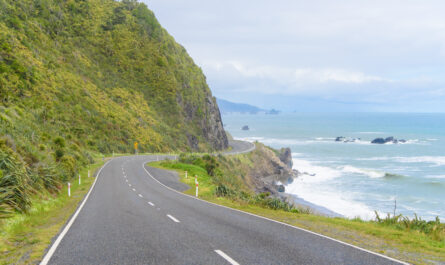
Milford Sound’s remote location is part of its charm. Accessing the fjord is an adventure in itself, and most visitors approach via Milford Road (State Highway 94), renowned as one of the world’s most scenic drives.
By Car
- From Te Anau: ~2 hours (120 km)
- From Queenstown: ~4–5 hours (288 km)
With its waterfalls, jungles, alpine passes, and mountain streams, the drive is a destination in and of itself. Stops along the way allow travelers to take photos or enjoy short walks through pristine wilderness.
Driving Tips:
- Fill your tank in Te Anau — no fuel stations exist along the Milford Road
- Pack rain gear, warm layers, and snacks
- Drive cautiously — weather changes rapidly, and the road has narrow, winding sections
- Download offline maps — mobile coverage is limited
By Coach or Shuttle
Guided bus tours from Queenstown or Te Anau are popular alternatives. They provide commentary, scenic stops, and hotel pick-ups, making them a stress-free way to enjoy the journey.
Scenic Flights
For a truly unforgettable perspective, consider a scenic flight from Queenstown. Aerial views of the fjord, mountains, and glaciers reveal Milford Sound’s dramatic terrain from a perspective few experience. Many operators offer combined flight-and-cruise packages.
Must-See Stops Along Milford Road
Even before you reach the fjord itself, there are several highlights worth exploring:
Mirror Lakes
Small alpine lakes reflecting surrounding peaks. Best seen on calm mornings, these spots are perfect for photography and quiet reflection.
The Chasm
A short walk leads to rock formations sculpted by the Cleddau River. Powerful waterfalls cascade into deep pools, creating a dramatic spectacle.
Lake Gunn & Eglinton Valley
These wide valleys offer panoramic views of the mountains and forests. Eglinton Valley is a peaceful stop to stretch your legs or picnic amid stunning scenery.
Homer Tunnel
A 1.2 km man-made tunnel through the Darran Mountains, providing access to the fjord. The tunnel is a feat of engineering and adds to the sense of adventure.
Milford Sound Lookout
Before descending into the fjord, a viewpoint offers sweeping vistas — the perfect introduction to the grandeur awaiting below.
Activities in Milford Sound
Once at Milford Sound, adventure options abound. Here’s how to get the most out of your trip:
Cruises
A cruise is the quintessential Milford Sound experience. Boats navigate the fjord’s calm waters, bringing travelers close to waterfalls, cliffs, and wildlife.
- Duration: 1.5–3 hours
- Highlights: Bowen Falls, Stirling Falls, Mitre Peak
- Wildlife: Dolphins, seals, and penguins
Tip: Early morning or late afternoon cruises provide softer light, calmer waters, and fewer tourists — perfect for photography. Overnight cruises are available, allowing travelers to experience sunrise and sunset in the fjord.
Kayaking
Guided kayaking allows you to discover secret areas of the fjord and glide silently beneath waterfalls for a more private experience. No experience is needed — guides provide safety instructions and expert knowledge.
Hiking & Nature Walks
While Milford Sound itself has limited hiking trails, there are nearby treks that offer spectacular views:
- Key Summit Track: Panoramic vistas over Fiordland’s alpine landscapes
- The Chasm Walk: Short trail through dramatic rock formations
- Lake Marian Track: Multi-hour hike leading to a glacial lake
For longer treks, the Milford Track — spanning 4 days from Lake Te Anau to Milford Sound — is considered one of the world’s finest walks. Booking in advance is essential.
Wildlife Watching
The fjord supports diverse wildlife, including:
- Bottlenose dolphins swimming near cruise boats
- New Zealand fur seals sunning themselves on rocky shores
- Fiordland crested penguins along secluded coastlines
- Numerous native birds in the surrounding forests
Respectful wildlife practices: Maintain a safe distance, avoid feeding animals, and follow the Tiaki Promise to protect the environment.
Photography Opportunities
Milford Sound is a photographer’s paradise:
- Sunrise & sunset: Golden light on cliffs and waterfalls
- After rain: Waterfalls increase dramatically, creating ethereal mist
- Winter snow: Contrasts of white peaks and dark waters
Bring a camera with weather protection — rain and mist are frequent, but they make photos magical.
Accommodation Options
Milford Sound Lodge
The only accommodation inside the fjord itself. Rustic cabins offer the unique experience of staying in the heart of Fiordland wilderness.
Te Anau
Most visitors stay in Te Anau due to more accommodations and amenities. The town is ~2 hours from Milford Sound, making it a convenient base.
Camping
DOC campsites along the Milford Road, like Cascade Creek and Deer Flat, offer budget-friendly stays. Reservations are recommended during peak season.
Practical Travel Tips
- Dress for all weather: Layers, waterproof jackets, and sturdy shoes are essential.
- Bring food and water: There are no shops along the road.
- Fuel up: Fill your tank before leaving Te Anau.
- Plan parking: Early arrival at the cruise terminal ensures a spot.
- Insect protection: Sandflies are common at dawn and dusk — use repellent.
- Respect cultural sites: Milford Sound is Piopiotahi to the Māori — honor local customs and sacred sites.
- Leave no trace: Follow the Tiaki Promise to preserve this fragile environment.
Local Culture & Māori Heritage
Milford Sound is known to Māori as Piopiotahi, named after the piopio bird. The area is steeped in cultural stories, including legends of the first people who navigated the fjords and forests for sustenance and spiritual connection. Respect for Māori heritage is integral to a Milford Sound visit — guided tours often incorporate storytelling and history alongside natural exploration.
Hidden Gems
- Hollyford Track Lookouts: Less-visited trails with panoramic fjord views
- Underwater Observatory: Offers a unique perspective of marine life in the fjord
- Fiordland Night Sky: Minimal light pollution makes for incredible stargazing
Exploring these spots enhances your experience beyond the typical cruise.
Future Considerations
New Zealand is introducing visitor levies at iconic natural sites like Milford Sound to support conservation. While details are evolving, travelers should plan ahead for potential entrance fees and ensure bookings are made well in advance.
Final Thoughts
Milford Sound is a place where nature’s power and beauty converge. Whether you cruise under thundering waterfalls, paddle silently in a kayak, or trek through misty rainforests, the fjord inspires awe, respect, and deep appreciation for New Zealand’s natural heritage. Planning ahead, traveling responsibly, and taking time to absorb the surroundings ensures your Milford Sound adventure will remain a cherished memory for a lifetime.