 by
by At the far southern edge of South America lies a place that feels almost prehistoric — a labyrinth of narrow waterways, jagged peaks, remote islands, and enormous rivers of ice sliding down from ancient ice fields. Welcome to the Chilean Fjords, a vast wilderness stretching thousands of kilometers along Chile’s Pacific coast, where glaciers descend from the Andes and crumble into the sea in a spectacle of sound, scale, and raw natural power.
This is not a typical sightseeing destination. The Chilean fjords are isolated, sparsely populated, and shaped by extreme weather and geography. Yet for travelers who crave wild landscapes, dramatic scenery, and meaningful adventure, this region offers one of the most unforgettable journeys on Earth.
What Exactly Are the Chilean Fjords?
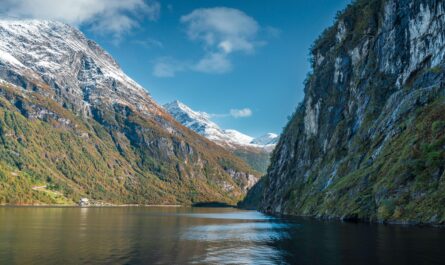
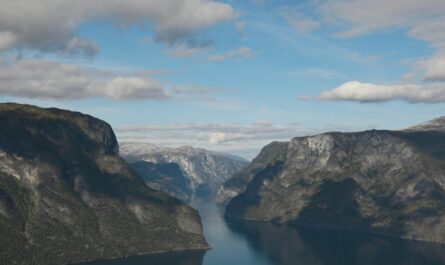
Fjords are long, deep inlets formed by glaciers that carved through mountains during the Ice Age. When the ice melted, seawater flooded the valleys, creating steep-sided channels bordered by towering cliffs. Chile’s fjord system is one of the largest on the planet, extending from roughly Puerto Montt in northern Patagonia down to Cape Horn.
Unlike fjords in more developed regions, many of Chile’s remain untouched by roads, cities, or heavy tourism. Entire stretches of coastline can only be accessed by boat or small aircraft. The sense of scale is enormous — mountains plunge straight into the ocean, waterfalls pour from hanging valleys, and glaciers several stories tall calve icebergs into deep blue water.
Why This Region Feels So Different
Several features make the Chilean fjords stand apart from other scenic coastal areas:
1. Tidewater Glaciers
Many glaciers here meet the ocean directly. You may witness ice blocks the size of houses breaking off with thunderous cracks and splashing into the sea. These “calving” events are not just beautiful — they are reminders that the landscape is still actively changing.
2. Extreme Remoteness
Some fjords have no permanent settlements at all. Navigation charts still matter more than road maps. Even in the 21st century, this is a frontier of nature.
3. Wild Weather
Storm systems sweep in from the Pacific, bringing mist, rainbows, and dramatic light conditions. One moment the mountains vanish behind clouds; the next, sunlight reveals glowing blue ice and emerald forests.
4. Biodiversity
Despite the cold, the fjords support rich ecosystems — from kelp forests underwater to moss-covered temperate rainforests on land.
Must-See Fjords and Glacier Areas
Because the region is vast, most travelers explore only a section. Here are some standout highlights:
Beagle Channel & Glacier Alley
Near the southern tip of the continent, this iconic waterway is lined with glaciers spilling from the Darwin Mountain Range. Several glaciers sit side by side, each with distinct shapes and shades of blue. Snowy peaks rise behind them, creating one of Patagonia’s most photographed scenes.
Pío XI Glacier
One of the largest glaciers in the Southern Hemisphere outside Antarctica, Pío XI is immense and constantly shifting. Its scale is difficult to grasp until your boat approaches the towering ice wall.
San Rafael Lagoon
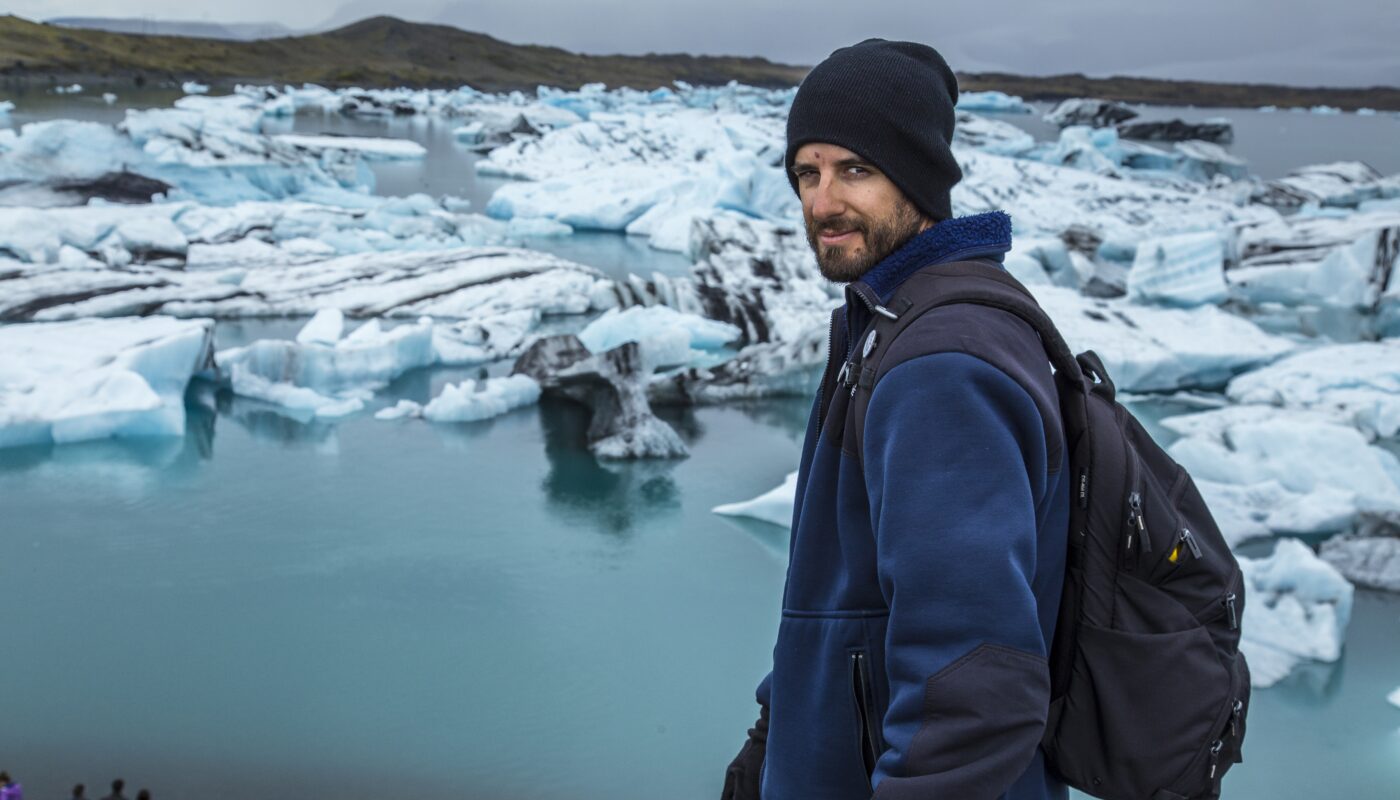
Further north, this lagoon holds the San Rafael Glacier, where floating icebergs drift in calm waters. Small boat trips or kayaks can weave between the ice chunks for a surreal perspective.
Peel Fjord and Amalia Glacier
A dramatic branch of waterways surrounded by steep rock faces and waterfalls. The glacier here descends like a frozen waterfall itself, spilling down from the mountains into the fjord.
Alberto de Agostini National Park
This protected area contains a mix of glaciers, forests, and fjords. It’s a hotspot for photographers and nature lovers seeking pristine landscapes.
How to Explore the Chilean Fjords
Travel here revolves around water.
Expedition Cruises
Small expedition ships are the most popular way to experience multiple fjords. These vessels are designed for narrow channels and often carry naturalist guides. Passengers go ashore by inflatable boats to walk near glaciers or explore remote beaches.
Ferries
Long-distance ferries connect towns through the fjords, offering a more budget-friendly but still scenic journey. The pace is slower, and amenities are basic, but the scenery is equally impressive.
Private Sailing
Experienced sailors sometimes charter boats or join sailing expeditions. This option allows access to hidden coves and lesser-visited channels.
Kayaking
In calmer fjords, kayaking offers a quiet, close-to-nature experience. Paddling past floating ice while seals pop their heads above water is unforgettable.
Gateway Towns
Although much of the region is wild, a few towns serve as starting points:
- Puerto Montt – Northern gateway, access to ferry routes and northern fjords
- Coyhaique / Puerto Chacabuco – Entry to the Aysén region
- Puerto Natales – Near Torres del Paine and the southern fjords
- Punta Arenas – Southern city near the Strait of Magellan
These towns offer lodging, transportation, and gear stores.
Best Time to Visit
The fjords can be visited year-round, but conditions vary greatly.
Summer (December–February)
Long daylight hours, milder temperatures, and calmer seas. This is peak season.
Spring & Autumn (October–November, March)
Fewer tourists and dramatic skies. Weather can be unpredictable but rewarding.
Winter (June–August)
Colder, stormier, and many routes close. Only suitable for experienced expedition travelers.
Wildlife You Might Encounter
The fjords are rich in life:
- Sea lions basking on rocky shores
- Dolphins riding boat wakes
- Penguins in certain southern areas
- Seabirds nesting on cliffs
- Occasionally whales migrating through channels
On land, dense forests hide foxes and rare deer, though sightings are less common.
Packing Essentials
The climate can change quickly, so preparation matters.
- Waterproof jacket and pants
- Insulated layers
- Gloves and hat
- Waterproof boots
- Sunglasses (glare from ice is intense)
- Motion sickness remedies if prone
Cultural Notes
The fjords are not just wilderness; they are part of a region shaped by indigenous seafaring peoples and later explorers. Fishing communities still rely on the ocean, and life moves at the rhythm of tides and weather.
Respect for nature runs deep here. Visitors are guests in a landscape that locals depend on for survival.
Responsible Travel Matters
Glaciers worldwide are retreating, and Patagonia is no exception. Travelers can help protect the region by:
- Choosing environmentally responsible operators
- Avoiding litter and single-use plastics
- Respecting wildlife distances
- Supporting local businesses
A Journey Unlike Any Other
The Chilean fjords are not about luxury or fast itineraries. They are about stillness, scale, and perspective. Watching a glacier glow blue in the evening light, hearing ice crack in the distance, and feeling dwarfed by mountains rising straight from the sea — these experiences stay with travelers long after the journey ends.
If you are drawn to places that feel raw, powerful, and humbling, where nature still leads and humans follow carefully, the Chilean fjords offer one of the most profound adventures in the world.