 by
by Fjords are among the most awe-inspiring natural landscapes on Earth. Carved by glaciers over thousands of years, these deep, narrow inlets framed by towering cliffs and cascading waterfalls create scenery that feels almost otherworldly. While fjords are most commonly associated with Scandinavia, they can be found across several continents—each with its own character, climate, and visual drama.
This guide ranks some of the most beautiful fjords in the world based on scenic impact, uniqueness, accessibility, and cultural significance. Whether you’re planning a trip or simply exploring from afar, these fjords represent the pinnacle of natural beauty.
1. Geirangerfjord, Norway
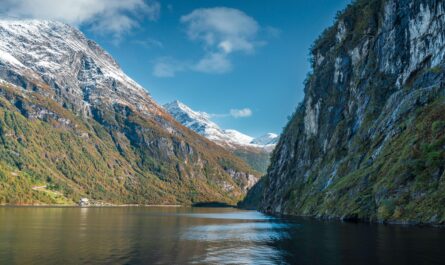
At the top of the list is Geirangerfjord, often considered the most iconic fjord in the world. Recognized as a UNESCO World Heritage Site, it perfectly embodies the dramatic beauty that fjords are known for.
What makes it special:
- Sheer cliffs rising dramatically from emerald-green waters
- Famous waterfalls like the “Seven Sisters” and “The Suitor”
- Abandoned mountain farms clinging to steep slopes
The fjord’s narrow shape intensifies its visual impact, making it feel almost enclosed by nature. Whether viewed from a boat, a scenic overlook, or a hiking trail, Geirangerfjord delivers unforgettable vistas.
2. Milford Sound, New Zealand
Despite its name, Milford Sound is actually a fjord—and one of the most spectacular outside Europe. Located within Fiordland National Park, it is known for its dramatic vertical landscapes and frequent rainfall, which creates countless temporary waterfalls.
Highlights:
- Towering peaks like Mitre Peak rising directly from the water
- Misty atmosphere that enhances its mystical feel
- Rich wildlife, including seals and dolphins
Milford Sound is often described as one of the most beautiful places on Earth—and for good reason. Its raw, untamed beauty makes it a strong contender for the top spot.
3. Nærøyfjord, Norway
One of the world’s narrowest fjords, Naerøyfjord is a branch of the bigger Sognefjord. Also a UNESCO World Heritage Site, it offers an intimate and immersive experience.
Why it stands out:
- Exceptionally narrow passages, sometimes less than 300 meters wide
- Quiet, less crowded atmosphere compared to other fjords
- Traditional villages nestled along its shores
The closeness of the cliffs creates a sense of being enveloped by nature, making it one of the most atmospheric fjords to visit.
4. Sognefjord, Norway
Sognefjord, Norway’s largest and deepest fjord, is frequently referred to as the “King of Fjords.” Its immense scale sets it apart from others.
Key features:
- Length of over 200 kilometers
- Diverse landscapes, from steep cliffs to gentle valleys
- Multiple branches, including Nærøyfjord
Sognefjord offers a wide variety of experiences, from serene cruises to adventurous hikes. Its sheer size makes it a destination in itself.
5. Doubtful Sound, New Zealand
Often overshadowed by Milford Sound, Doubtful Sound is quieter and more remote, offering a deeper sense of wilderness.
What makes it unique:
- Limited visitor access, preserving its untouched feel
- Thick rainforest covering steep slopes
- A peaceful, almost silent atmosphere
This fjord is ideal for travelers seeking solitude and a more immersive natural experience.
6. Lysefjord, Norway
Lysefjord is famous not just for its beauty but for its dramatic landmarks, including the iconic cliff known as Preikestolen (Pulpit Rock).
Highlights:
- Sheer rock formations towering above the fjord
- Popular hiking destinations with panoramic views
- A blend of accessibility and rugged beauty
Lysefjord offers some of the most recognizable viewpoints in the world.
7. Kenai Fjords, USA
Located in Alaska, Kenai Fjords National Park showcases a different kind of fjord landscape—one dominated by glaciers.
Key attractions:
- Tidewater glaciers actively calving into the sea
- Abundant wildlife, including whales and sea otters
- A rugged, icy environment
This fjord system highlights the dynamic nature of glacial landscapes, offering a glimpse into Earth’s geological processes.
8. Aysén Fjord, Chile
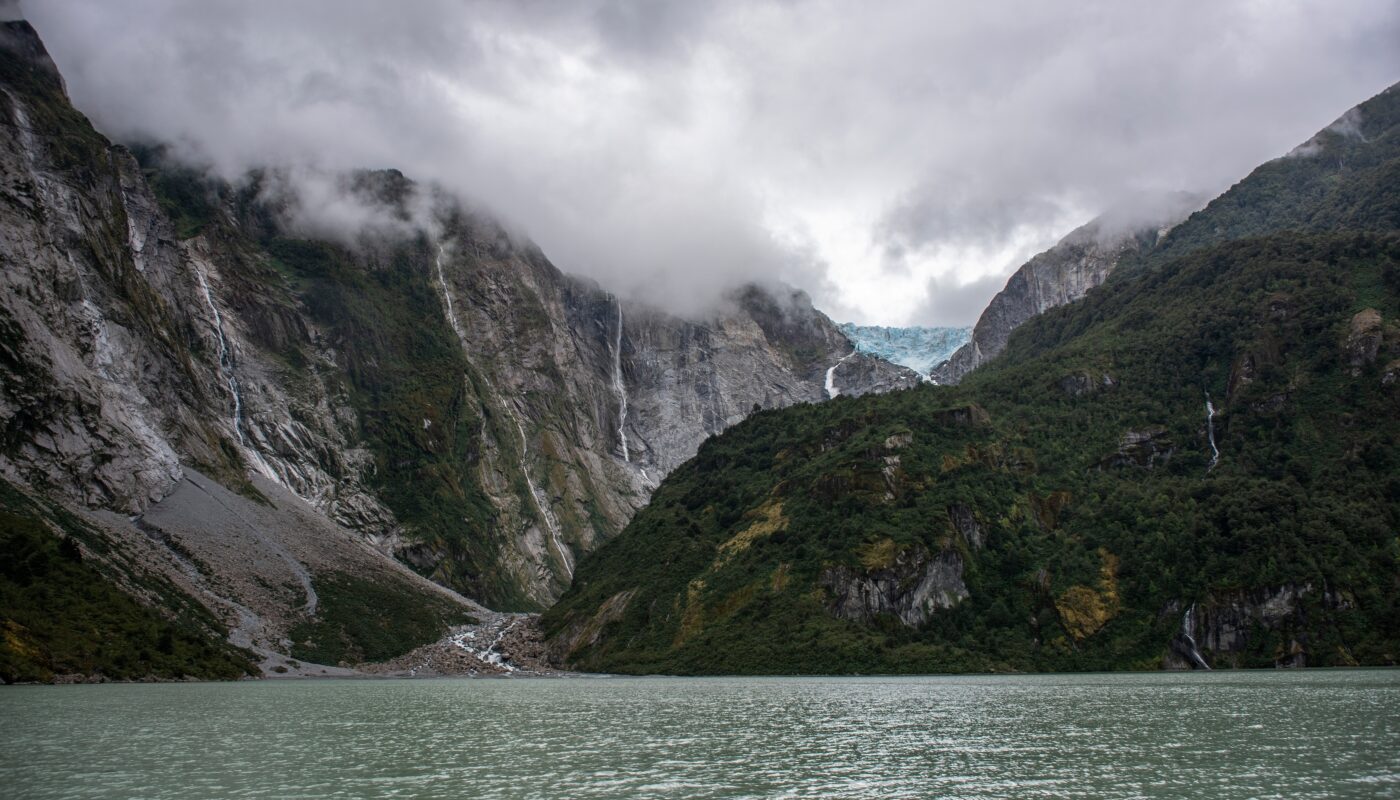
Chile’s Patagonia region is home to countless fjords, but Aysén Fjord stands out for its wild, remote beauty.
What to expect:
- Dense forests meeting icy waters
- Minimal human development
- A sense of true isolation
For those seeking adventure and untouched landscapes, Aysén Fjord is a remarkable destination.
9. Scoresby Sund, Greenland
The largest fjord system in the world, Scoresby Sund is vast and largely unexplored.
Highlights:
- Massive icebergs drifting through deep waters
- Arctic wildlife such as polar bears and musk oxen
- A stark, dramatic environment
Its scale and remoteness make it one of the most extraordinary fjord experiences on the planet.
10. Saguenay Fjord, Canada
Saguenay Fjord offers a unique blend of natural beauty and accessibility.
Key features:
- Deep blue waters contrasting with forested cliffs
- Opportunities for whale watching
- Easy access for visitors
It’s a great option for those looking to experience fjords without venturing too far into remote regions.
What Makes a Fjord Truly Beautiful?
While each fjord is unique, several factors contribute to their beauty:
1. Scale and Depth
Larger fjords with deep waters and towering cliffs create a sense of awe.
2. Water Color and Clarity
Glacial runoff often gives fjords their striking blue or green hues.
3. Surrounding Landscape
Vegetation, waterfalls, and snow-capped peaks all enhance visual appeal.
4. Wildlife and Atmosphere
The presence of wildlife and changing weather conditions add to the experience.
How to Experience Fjords
To fully appreciate these landscapes, consider different ways of exploring:
- Boat Cruises: Offer close-up views of cliffs and waterfalls
- Hiking: Provides panoramic perspectives from above
- Kayaking: Allows for an intimate, quiet experience
- Scenic Drives: Combine accessibility with stunning viewpoints
Each method offers a different perspective, making fjord exploration highly versatile.
Conclusion
Fjords are among nature’s most extraordinary creations, combining geological history with breathtaking scenery. From the dramatic cliffs of Geirangerfjord to the icy expanses of Scoresby Sund, each destination offers a unique experience.
While rankings can highlight standout locations, the true beauty of fjords lies in their diversity. Whether you prefer accessible viewpoints or remote wilderness, there is a fjord that will capture your imagination.
Exploring these landscapes—whether in person or through stories—reminds us of the power and beauty of the natural world.