 by
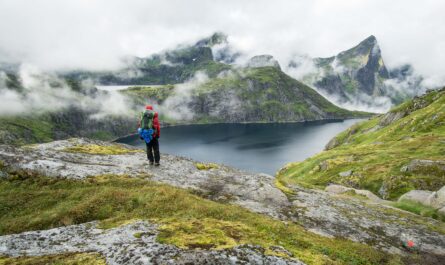
by Few landscapes on Earth are as visually striking as fjords—those deep, narrow inlets carved by ancient glaciers and framed by towering cliffs. Nowhere are they more iconic than in Norway, where dramatic terrain draws hikers from around the world. But beneath the beauty lies a serious reality: fjord hiking can be dangerous, even for experienced adventurers.
While many trails are manageable with proper preparation, certain routes have gained reputations for their risk levels. These hikes are not inherently unsafe, but they demand awareness, fitness, and respect for nature. Understanding what makes them risky is essential before setting foot on these breathtaking paths.
Why Fjord Hikes Are Inherently Risky
Fjord landscapes are fundamentally different from typical mountain environments. Their unique formation and geography introduce hazards that hikers may not encounter elsewhere.
Steep Elevation Changes
Fjords were carved by glaciers that cut deep into the earth, leaving behind near-vertical cliffs. This means that hikes often involve steep ascents from sea level to high viewpoints within a short distance.
The result is physically demanding terrain that can quickly lead to fatigue, especially for those unaccustomed to such elevation gains.
Exposure to Sheer Drops
One of the most defining—and dangerous—features of fjord hikes is exposure. Trails frequently run along ridges or cliff edges where the drop can be hundreds of meters.
Unlike some mountainous regions, many of these viewpoints have minimal or no safety barriers. Maintaining balance and awareness is critical at all times.
Rapid Weather Changes
Weather conditions in fjord regions are influenced by both the sea and surrounding mountains. This combination can create sudden shifts in:
- Temperature
- Wind intensity
- Visibility
A clear morning can quickly turn into a foggy or rainy afternoon, making trails slippery and navigation more difficult.
Challenging Trail Surfaces
Fjord trails are rarely smooth. Hikers often encounter:
- Wet rocks
- Loose gravel
- Muddy paths
- Uneven stone steps
These surfaces require careful footing, especially during or after rain.
Remote Locations
Many fjord hikes are located far from major towns or services. Mobile reception can be unreliable, and help may not be immediately available in case of an emergency.
This isolation adds another layer of risk, particularly for solo hikers.
Notable High-Risk Fjord Hikes
Trolltunga
Perhaps the most famous fjord hike, Trolltunga (meaning “Troll’s Tongue”) extends dramatically out over a lake far below.
Why It’s Risky:
- Long distance (often 10–12 hours round trip)
- Significant elevation gain
- Exposure at the final viewpoint
The physical demands alone can be overwhelming, and fatigue becomes a major factor in accidents. The narrow rock ledge at the end also encourages risky behavior for photographs.
Kjeragbolten
This hike leads to a boulder wedged between two cliffs high above the Lysefjord.
Key Risks:
- Steep climbs and descents along the route
- Strong winds at higher elevations
- The temptation to stand on the boulder itself
Although stepping onto the boulder is optional, many visitors choose to do so, increasing the potential for accidents.
Preikestolen
Also known as Pulpit Rock, this flat-topped cliff overlooks Lysefjord and attracts large numbers of visitors.
Risk Factors:
- A sheer drop of over 600 meters
- Crowded conditions during peak season
- Lack of guardrails
Despite being considered a moderate hike, the high visitor numbers and exposed edge make caution essential.
Romsdalseggen Ridge
This ridge hike offers spectacular views but demands careful navigation.
Why It’s Dangerous:
- Narrow sections with steep drop-offs
- Uneven terrain requiring steady footing
- Exposure to wind and weather
This hike is often recommended only for those comfortable with heights and physically demanding trails.
Reinebringen
Located in the Lofoten Islands, this hike is short but intense.
Risks Include:
- Steep ascent via stone steps
- Slippery surfaces in wet conditions
- Potential hazards in colder months
Even though the path has been improved, the incline and exposure still require caution.
Key Risk Factors Explained
1. Physical Exhaustion
Long hikes combined with steep climbs can lead to fatigue. Once tired, hikers are more likely to:
- Misjudge distances
- Lose balance
- Make poor decisions
Fatigue is one of the most underestimated dangers in fjord hiking.
2. Weather-Related Hazards
Sudden weather changes can transform a manageable trail into a hazardous one.
Common issues include:
- Rain making rocks slippery
- Fog reducing visibility
- Wind affecting balance on exposed ridges
Planning around weather conditions is crucial.
3. Psychological Pressure
The dramatic views and popularity of certain locations can influence behavior. Hikers may feel pressure to:
- Reach the most famous viewpoints
- Take photos in risky positions
- Keep up with others despite fatigue
Fear of heights can also affect concentration and coordination.
4. Navigation Challenges
While many fjord trails are marked, conditions such as fog or snow can obscure paths. Losing track of the route can lead to dangerous situations, especially near cliffs.
5. Seasonal Variations
The time of year significantly affects trail safety.
Early Season:
- Snow and ice may still cover sections
Late Season:
- Shorter daylight hours
- Increased chance of storms
Some hikes are best avoided outside the peak summer months.
The Influence of Social Media
In recent years, fjord hikes have gained global popularity through social media. Images of dramatic viewpoints often showcase the beauty but not the risks involved.
This can lead to:
- Underestimation of difficulty
- Inadequate preparation
- Increased crowding in dangerous areas
Understanding that these photos represent carefully chosen moments—not typical conditions—is important.
How to Reduce Risk While Hiking Fjords
Prepare Thoroughly
Research the trail, including distance, elevation, and expected conditions.
Check Weather Forecasts
Avoid hiking if conditions are unstable or uncertain.
Wear Appropriate Gear
- Sturdy hiking boots
- Weather-appropriate clothing
- Backpack with essentials
Start Early
Allow enough time to complete the hike without rushing.
Stay Within Your Limits
Choose hikes that match your experience and fitness level.
Avoid Unnecessary Risks
Do not step too close to edges or attempt risky photo positions.
Travel with Others
Whenever possible, hike with a companion or group.
Why These Hikes Remain So Popular
Despite the risks, fjord hikes continue to attract adventurers from around the world.
They offer:
- Unparalleled views
- A sense of accomplishment
- Unique natural beauty
Standing above a fjord, surrounded by towering cliffs and open sky, creates a powerful connection to nature that few other experiences can match.
Final Thoughts
Fjord hiking is an extraordinary experience, but it is not without danger. The combination of steep terrain, exposure, unpredictable weather, and human factors creates a unique set of challenges.
Understanding these risks is not meant to discourage exploration—it is meant to encourage responsible travel. With proper preparation, awareness, and respect for the environment, hikers can safely enjoy some of the most stunning landscapes on Earth.
The key is simple: admire the beauty, respect the risks, and never underestimate the power of nature.