 by
by Norway is synonymous with breathtaking natural beauty. Towering mountains, cascading waterfalls, and dramatic coastlines define this Nordic nation. But perhaps nothing captures the world’s imagination quite like Norway’s fjords—deep, glacially carved inlets that slice into the rugged coastline, forming some of the most iconic landscapes on the planet.
From dramatic cliffs plunging into mirror-like waters to tranquil, hidden coves surrounded by alpine forests, Norway’s fjords are both awe-inspiring and culturally significant. They have shaped the country’s geography, history, and way of life for centuries, influencing settlement patterns, transportation, and even folklore.
In this guide, we explore why Norway is famous for its fjords, the natural processes that formed them, and which fjords are most worth visiting for travelers seeking both adventure and serenity.
The Geological Wonder of Norway’s Fjords
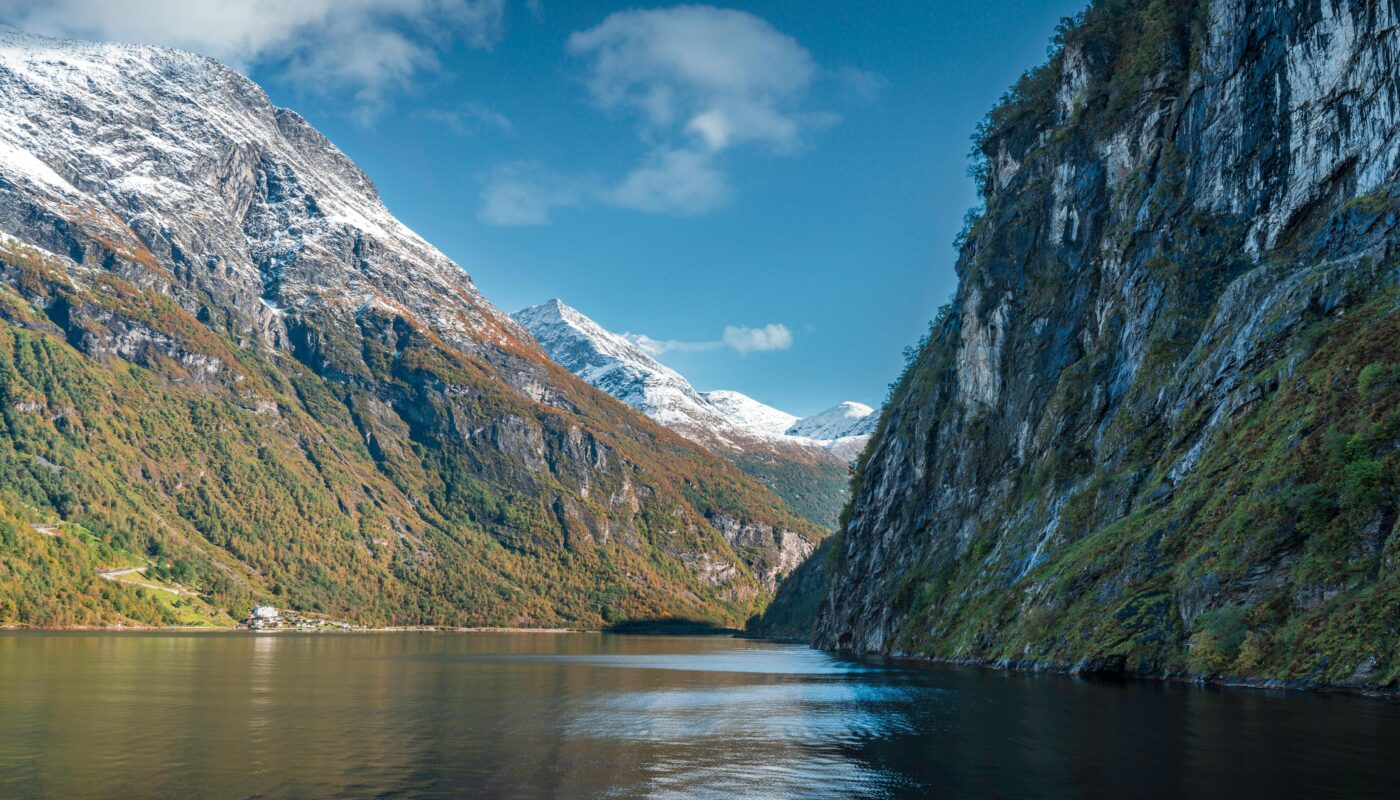
Fjords are long, narrow inlets with steep sides or cliffs, created by glacial erosion during the ice ages. The glaciers carved deep valleys into the landscape, which later filled with seawater as glaciers melted and sea levels rose. Norway’s unique topography, with its combination of heavy glaciation and mountainous terrain, has produced some of the most dramatic fjord scenery in the world.
What Makes Norwegian Fjords Unique
- Sheer Vertical Walls – Many fjords, such as Geirangerfjord, feature cliffs rising hundreds of meters directly from the water.
- Deep Water – Fjords can plunge to depths exceeding 1,300 meters, allowing even large cruise ships to navigate them.
- Glacial History – Visible moraines, hanging valleys, and waterfalls provide a glimpse into the immense power of ice.
- Biodiversity – Fjords host unique ecosystems, including cold-water coral reefs, migratory seabirds, and marine mammals like porpoises and seals.
This combination of geological drama and ecological richness sets Norway apart as the global fjord capital.
Why Norway’s Fjords Captivate the World
Norwegian fjords are famous not only for their natural beauty but also for the experiences they offer.
- Spectacular Photography Opportunities – The interplay of light, water, and mountains creates unforgettable vistas. Sunrise and sunset over fjords often produce ethereal colors reflecting off the calm water.
- Adventure Activities – Hiking, kayaking, fjord cruises, and even ice climbing in adjacent valleys draw thrill-seekers from around the world.
- Cultural Heritage – Many fjords have small villages with centuries-old architecture, museums, and traditional industries like fishing and farming.
- Peace and Solitude – While some fjords attract large numbers of tourists, others offer quiet landscapes where travelers can experience nature uninterrupted.
Norway’s fjords embody both adventure and tranquility, appealing to photographers, explorers, and cultural enthusiasts alike.
The Most Famous Fjords Worth Visiting
While Norway boasts more than 1,100 fjords, some stand out as must-visit destinations.
1. Geirangerfjord
Location: Møre og Romsdal county
Why Visit: Geirangerfjord is often described as the jewel of Norwegian fjords. It features dramatic cliffs, cascading waterfalls like the Seven Sisters and the Suitor, and lush green valleys dotted with farms. UNESCO recognizes it as a World Heritage Site for both its natural and cultural significance.
Activities: Kayaking, climbing to vantage spots like Flydalsjuvet, taking scenic cruises, and touring old farmsteads.
2. Nærøyfjord
Location: Vestland county
Why Visit: A narrow, steep-sided fjord that feels almost otherworldly. Its dramatic scenery and remote feel make it ideal for travelers seeking solitude. Also a UNESCO World Heritage Site.
Activities: hiking the Aurlandsdalen Valley, kayaking, and taking fjord cruises.
3. Sognefjord
Location: Vestland county
Why Visit: Norway’s longest and deepest fjord, often called the “King of the Fjords.” It extends over 200 kilometers inland and reaches depths of 1,308 meters. Surrounding villages offer traditional Norwegian charm.
Activities: Cruises, scenic train journeys like Flåm Railway, hiking, and visiting glaciers in nearby Jostedalsbreen National Park.
4. Lysefjord
Location: Rogaland county
Why Visit: Known for the iconic Preikestolen (Pulpit Rock) and Kjeragbolten boulder, Lysefjord blends dramatic cliffs with adventure opportunities.
Activities: hiking to Pulpit Rock for fjord cruises, base jumping, and expansive vistas.
5. Hardangerfjord
Location: Vestland county
Why Visit: Famous for its fruit orchards, waterfalls, and rural charm, Hardangerfjord offers a blend of nature and culture. Its fjord-side villages host traditional festivals, especially during spring blossom season.
Activities: Cycling tours, hiking to Vøringsfossen waterfall, and visiting local farms and cider breweries.
Best Times to Visit Norwegian Fjords
The experience varies depending on the season.
- Spring: Blossom season in Hardangerfjord is spectacular. Water levels are high from snowmelt, and temperatures are mild.
- Summer: Peak season offers long daylight hours, perfect for hiking and cruises. Beware of crowds at popular fjords.
- Autumn: Fjords like Geirangerfjord are quieter, and foliage adds golden hues to the landscape. Ideal for photography.
- Winter: Some fjords are accessible for winter activities like snowshoeing or northern lights tours, but travel options may be limited due to snow and ice.
Choosing the right season depends on your desired combination of scenery, activities, and crowd levels.
Experiencing the Fjords Beyond Cruises
While fjord cruises are the most common way to see these landscapes, there are other immersive experiences.
Hiking and Trekking
Norwegian fjords are surrounded by trails offering viewpoints inaccessible by boat. Examples:
- Trolltunga near Hardangerfjord –a strenuous trek to a rock ledge with a view of the fjord.
- Romsdalseggen Ridge – Spectacular views of Romsdalsfjord.
Kayaking
Gliding across fjord waters provides a perspective boats cannot. Kayakers can approach waterfalls and cliffs closely, enjoying silence and natural sounds.
Cycling and Road Trips
Many fjords have scenic roads ideal for cycling or driving. The route from Flåm to Aurland along Aurlandsfjord is especially picturesque.
Winter Sports
Some fjords are accessible in winter for skiing, snowshoeing, and even ice climbing. Combining fjord views with alpine adventure offers a unique experience.
Hidden Fjord Gems
While Geirangerfjord and Sognefjord are world-famous, smaller fjords offer peaceful escapes.
- Nordfjord: Less crowded, with dramatic waterfalls and glacier views.
- Trollfjord: Accessible mainly by boat, surrounded by steep cliffs and wildlife like sea eagles.
- Hjørundfjord: Known for its alpine villages and hiking trails, providing a tranquil alternative to tourist-heavy fjords.
These lesser-known fjords allow travelers to enjoy Norway’s fjord magic without the crowds.
Tips for Visiting Fjords Responsibly
Sustainable tourism ensures these landscapes remain unspoiled.
- Respect private property and local regulations. Many fjord villages are small and rely on tourism respectfully.
- Avoid leaving trash behind; “leave no trace” principles preserve the environment.
- Choose eco-friendly fjord cruises that minimize emissions.
- Support local businesses, such as artisan shops, farms, and guided tours.
Responsible practices enhance your experience while preserving fjords for future generations.
Why Norway’s Fjords Leave a Lasting Impression
Norwegian fjords are not just scenic—they are immersive experiences. Standing on a cliff above Geirangerfjord, hearing waterfalls crash hundreds of meters below, and feeling the wind off deep waters creates memories that linger long after departure.
Fjords are also cultural touchstones, connecting visitors with centuries of Norwegian life. Remote farms, traditional fishing practices, and mountain trails reflect a symbiosis between humans and these dramatic landscapes.
The combination of adventure, tranquility, and cultural richness explains why Norway’s fjords are world-famous and a bucket-list destination for travelers from all over the globe.
Final Thoughts
Norway’s fjords are among the most unique natural formations on Earth. They showcase the power of glacial forces, the resilience of alpine ecosystems, and the aesthetic majesty of unspoiled landscapes.
Whether you prefer iconic fjords like Geirangerfjord and Sognefjord or hidden gems like Hjørundfjord and Trollfjord, visiting Norway’s fjords promises awe-inspiring vistas, outdoor adventure, and a connection with nature that few places in the world can offer.
To experience the full magic of Norway’s fjords, plan carefully, respect the environment, and leave space in your itinerary for both popular and quieter destinations. Norway’s fjords reward those who explore with curiosity, patience, and a sense of adventure.