 by
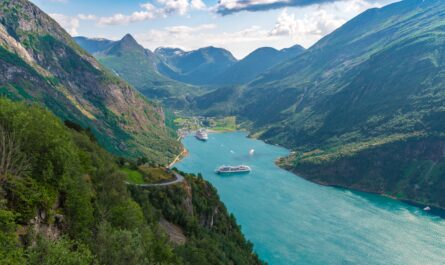
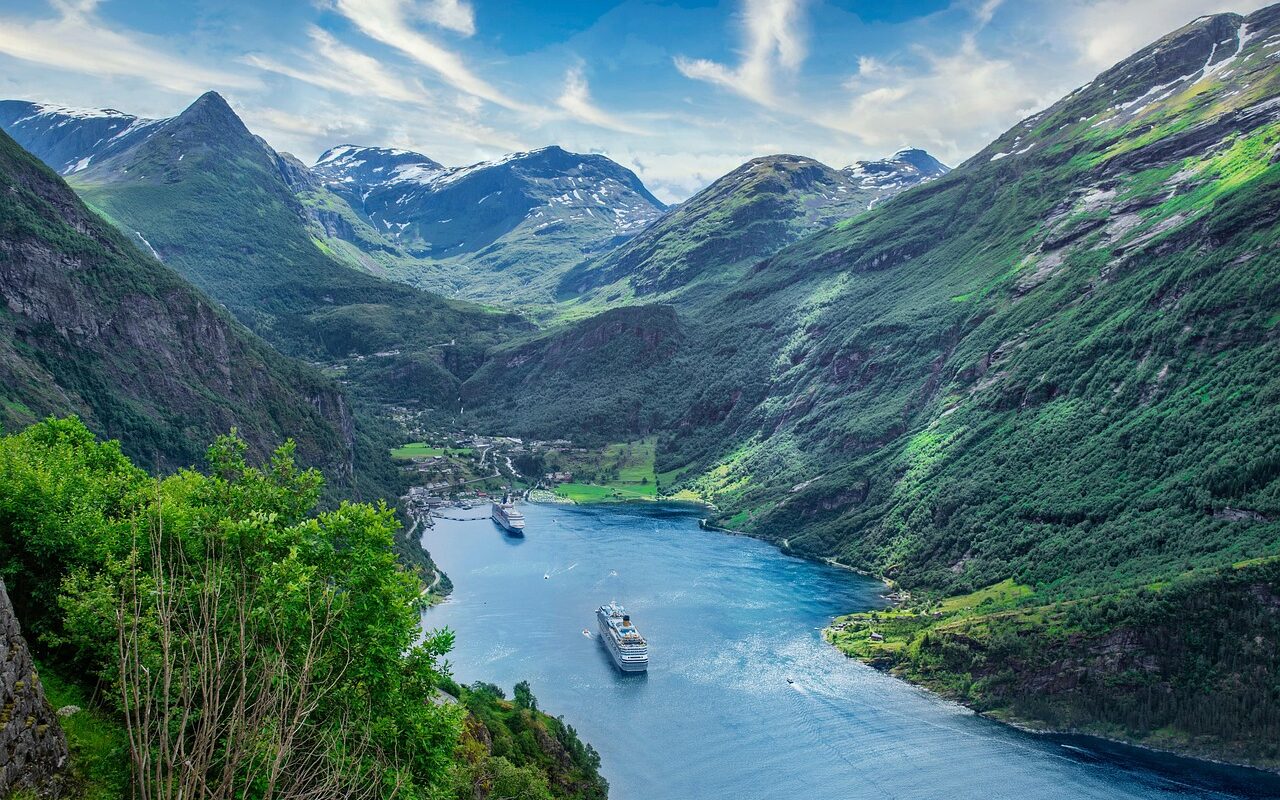
by Cruising through dramatic fjords is one of the most unforgettable travel experiences in the world. Towering cliffs plunge into deep blue waters, waterfalls cascade down rocky slopes, and remote villages sit quietly along the shoreline. Whether exploring the famous fjords of Norway, the glacial inlets of Canada, or the rugged coastline of New Zealand, fjord cruises allow travelers to witness landscapes that are difficult to access by land.
However, travelers planning a fjord cruise often face a common question: Should you choose a small ship or a large cruise ship? Both options offer unique advantages, but the best choice depends on your travel style, budget, and expectations.
Small ships promise intimate experiences and closer access to nature, while big ships offer entertainment, comfort, and extensive amenities. Understanding the differences between the two can help travelers select the cruise that best matches their priorities.
This guide explores the major factors that separate small ship fjord cruises from large ship cruises, including accessibility, comfort, cost, atmosphere, and overall experience.
Understanding Fjord Cruising
Before comparing ship sizes, it helps to understand what makes fjord cruising so special.
Fjords are deep, narrow sea inlets formed thousands of years ago by powerful glaciers. As glaciers carved through mountain valleys, they created steep walls and deep basins that later filled with seawater. Today, these landscapes are known for their dramatic scenery and unique ecosystems.
Some of the most famous fjords include:
- Geirangerfjord
- Nærøyfjord
- Milford Sound
- Saguenay Fjord
Cruises through these waterways allow visitors to glide past waterfalls, glaciers, cliffs, and wildlife habitats while enjoying the scenery from the comfort of a ship.
Because fjords are often narrow and remote, the size of the vessel can significantly influence the experience.
Small Ship Fjord Cruises
Small expedition-style ships usually carry between 50 and 300 passengers. These vessels are designed for exploration rather than mass tourism.
They often resemble research or expedition ships rather than traditional cruise liners.
Advantages of Small Ships
1. Access to Narrow Fjords and Remote Locations
One of the biggest advantages of small ships is their ability to navigate tight fjords and shallow waters.
Large ships are restricted to deeper channels and wider passages, but small ships can venture into hidden coves and remote arms of fjords that bigger vessels cannot reach.
In places like Nærøyfjord, which is famous for its narrow width and towering cliffs, small ships provide a much closer view of the landscape.
This means passengers may see more dramatic scenery and lesser-known locations.
2. A More Intimate Experience
Small ship cruises typically have fewer passengers, which creates a quieter and more personal atmosphere.
Travelers are more likely to interact with crew members, naturalists, and fellow guests. The overall environment feels less crowded and more relaxed.
Dining rooms, observation decks, and lounges are rarely overcrowded, and passengers often feel like part of a small expedition team rather than guests in a floating resort.
3. Expert-Led Expeditions
Many small ships operate as expedition cruises. These voyages often include:
- Naturalist guides
- Marine biologists
- Historians
- Geologists
Experts provide lectures and guided excursions that explain the geology, wildlife, and culture of fjord regions.
For travelers interested in learning about glaciers, ecosystems, and regional history, this educational aspect can be extremely rewarding.
4. Zodiac and Shore Excursions
Small ships frequently carry inflatable Zodiac boats, which allow passengers to explore closer to glaciers, cliffs, and wildlife areas.
These excursions may include:
- Glacier viewing
- Bird colony visits
- Kayaking
- Remote beach landings
In remote fjords, these smaller craft can approach waterfalls and ice formations that large ships must keep their distance from.
Disadvantages of Small Ships
Despite their advantages, small ships also have limitations.
Limited Amenities
Small ships often have fewer onboard facilities. Travelers may not find:
- Large theaters
- Water parks
- Multiple restaurants
- Casinos or shopping malls
Entertainment tends to be simpler and more focused on nature and lectures.
Higher Cost
Expedition-style cruises usually cost more per passenger because of their specialized itineraries, smaller capacity, and expert staff.
While they offer a richer exploration experience, they may be less affordable for budget travelers.
Big Ship Fjord Cruises
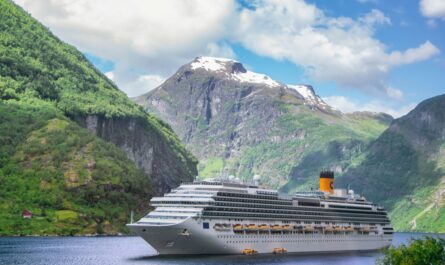
Large cruise ships can carry 1,500 to more than 5,000 passengers. These floating resorts combine transportation, accommodation, dining, and entertainment into one massive vessel.
Many major cruise lines operate fjord itineraries through places such as Bergen and Vancouver.
Advantages of Large Ships
1. Extensive Onboard Entertainment
Large ships offer an impressive range of activities and facilities.
Passengers may enjoy:
- Broadway-style shows
- Movie theaters
- Casinos
- Water slides and pools
- Fitness centers and spas
- Shopping promenades
For travelers who enjoy entertainment and social activities, large ships provide endless options.
2. More Dining Choices
Food is often a highlight of large cruise ships.
Passengers typically have access to:
- Buffet restaurants
- Specialty dining venues
- International cuisine
- Room service
This variety allows guests to enjoy different dining experiences every day.
3. Lower Cost Per Passenger
Because large ships carry thousands of passengers, operating costs are spread across more people.
As a result, big ship cruises are often cheaper than small expedition cruises.
This makes fjord cruising more accessible to families and travelers on a budget.
4. Greater Comfort and Luxury
Large cruise ships often provide luxurious accommodations, including:
- Spacious suites
- Balcony cabins
- Large spa facilities
- Extensive relaxation areas
Travelers who prioritize comfort and luxury may prefer the environment of a large cruise ship.
Disadvantages of Large Ships
Limited Access to Narrow Fjords
Because of their size, large ships cannot navigate many narrow fjords.
They must remain in deeper, wider channels and may pass by some of the most remote areas.
This means passengers sometimes see fjords from a greater distance compared to small ship expeditions.
Crowds
With thousands of passengers onboard, popular viewing areas such as observation decks can become crowded.
During peak scenic moments, passengers may need to compete for space to capture photos or enjoy unobstructed views.
Less Personalized Experience
Large ships focus on mass tourism. As a result, personal interactions with crew members and guides are limited compared to small expedition cruises.
Excursions are also typically conducted in larger groups.
Comparing the Experience
To better understand the differences, here is a quick comparison.
| Feature | Small Ship | Large Ship |
|---|---|---|
| Passenger capacity | 50–300 | 1,500–5,000+ |
| Access to narrow fjords | Excellent | Limited |
| Educational programs | Strong focus | Limited |
| Entertainment | Minimal | Extensive |
| Cost | Higher | Lower |
| Atmosphere | Quiet and intimate | Busy and social |
Both types of cruises provide memorable fjord experiences, but they cater to different kinds of travelers.
Which Option Is Better for Nature Lovers?
Nature enthusiasts usually prefer small ships.
Expedition cruises allow travelers to explore fjords in greater detail, approach glaciers, and participate in guided excursions.
Wildlife sightings may also be better on smaller vessels because they can maneuver quietly in remote areas.
For example, bird colonies and seals are often spotted in secluded fjord branches inaccessible to larger ships.
Which Option Is Better for Families?
Families often find large ships more appealing.
The entertainment, activities, and child-friendly facilities help keep younger travelers engaged during longer voyages.
Large ships also offer:
- Kids clubs
- Pools and sports areas
- Interactive attractions
These features make family travel easier and more enjoyable.
Which Option Is Better for First-Time Cruisers?
First-time cruisers sometimes prefer large ships because they offer a familiar resort-style experience.
However, travelers who want a more adventurous and educational journey may find small ships more rewarding.
Ultimately, the decision depends on whether a traveler values entertainment or exploration more.
The Future of Fjord Cruising
Environmental awareness is shaping the future of fjord tourism.
Countries like Norway are introducing stricter regulations to protect fragile fjord ecosystems.
Many cruise operators are now investing in:
- Hybrid propulsion systems
- Electric vessels
- Low-emission technologies
These innovations aim to reduce pollution and preserve the natural beauty of fjords for future generations.
Small expedition ships are often leading this transition, though major cruise lines are also developing cleaner ships.
Final Thoughts
Fjord cruising offers one of the most spectacular travel experiences on Earth. Towering cliffs, ancient glaciers, cascading waterfalls, and peaceful villages create landscapes that feel almost otherworldly.
Choosing between a small ship and a big ship depends largely on what kind of traveler you are.
If you want a quiet, immersive, and exploration-focused journey, a small expedition ship may be the perfect choice. These vessels provide closer access to nature, expert-led excursions, and a more intimate atmosphere.
On the other hand, if you prefer luxury amenities, entertainment, and affordability, a large cruise ship can deliver an enjoyable and comfortable fjord adventure.
Both options allow travelers to witness the extraordinary beauty of fjords—from the iconic waterways of Norway to the dramatic coastal landscapes of Canada and New Zealand.
No matter which ship you choose, cruising through a fjord is an experience that leaves a lasting impression—one where nature’s power, beauty, and history unfold at every turn.