 by
by Few wildlife experiences in the world can match the thrill of seeing a whale surface in the wild. In Canada, this experience becomes even more dramatic when it unfolds within the deep, narrow waterways known as fjords. Carved by ancient glaciers, these steep-sided inlets create some of the most productive marine ecosystems on Earth—and some of the best whale watching opportunities in the Northern Hemisphere.
From British Columbia’s rugged coastline to remote inlets teeming with marine life, whale watching in Canadian fjords offers an unforgettable blend of wilderness, silence, and sudden natural spectacle.
This guide explains exactly what to expect when embarking on a whale watching journey in these remarkable environments.
Understanding Canadian Fjords and Why They Attract Whales
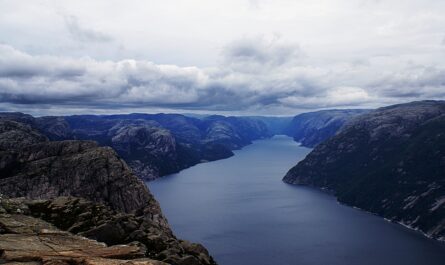
Canadian fjords are long, narrow sea inlets surrounded by steep cliffs and mountains. They are especially prominent along the Pacific coast, particularly in British Columbia.
These fjords are not just scenic—they are ecological hotspots. Their deep waters and nutrient-rich upwellings create ideal feeding conditions for marine life. Cold ocean currents mix with freshwater runoff from rivers, producing an abundance of krill, fish, and squid, which in turn attract whales.
Common species found in these waters include:
- Orcas (killer whales)
- Humpback whales
- Minke whales
- Grey whales (seasonally)
In some regions, you may also spot dolphins, porpoises, sea lions, and bald eagles during your journey.
Where Whale Watching Happens in Canadian Fjords
While whale watching is possible along much of Canada’s coastline, fjord-based experiences are most concentrated in British Columbia’s coastal inlets and channels.
1. Vancouver Island Fjords and Inlets
The waters surrounding Vancouver Island are among the most famous whale watching regions in the country. Deep channels like the Johnstone Strait and surrounding fjords are known for frequent orca activity.
These narrow waterways act like natural highways for whales, making sightings more predictable than in open ocean environments.
2. Inside Passage
The Inside Passage is a protected coastal route stretching along British Columbia’s northern fjords. It offers a quieter, more remote whale watching experience, often with fewer boats and more dramatic landscapes.
3. Great Bear Rainforest Fjords
Farther north, fjords near the Great Bear Rainforest provide a truly remote wilderness experience. Here, humpback whales are often seen feeding close to shore, sometimes against a backdrop of dense rainforest and snow-capped peaks.
What a Typical Whale Watching Tour Feels Like
Whale watching in Canadian fjords is not a zoo-like experience where animals appear on demand. Instead, it is a natural, sometimes unpredictable encounter shaped by weather, season, and whale movement.
Boarding and Departure
Most tours begin in small coastal towns or marina hubs. Before departure, guests receive safety instructions, information about marine wildlife, and an overview of expected conditions. Boats range from covered catamarans to smaller high-speed zodiac vessels designed for wildlife viewing.
Once underway, the vessel moves slowly through calm channels, allowing passengers to scan the water surface for signs of life.
The Journey Through the Fjords
As the boat enters the fjord system, the atmosphere changes noticeably. The water becomes calmer, the air cooler, and the landscape more enclosed. Sheer cliffs rise on both sides, often draped in dense forest or mist.
This is where anticipation builds.
Unlike open ocean whale watching, fjord environments often feel quieter and more intimate. The narrow geography means whales may surface surprisingly close to the vessel.
The Moment You See a Whale
Sightings usually begin with subtle clues:
- A distant puff of mist (the whale’s blow)
- Ripples or disturbances on the water
- A dorsal fin slicing through the surface
Then suddenly, the full body appears—massive, slow-moving, and surprisingly graceful.
In fjords, encounters often happen at close range. It is not unusual to see:
- Orcas traveling in family pods
- Humpbacks feeding just below the surface
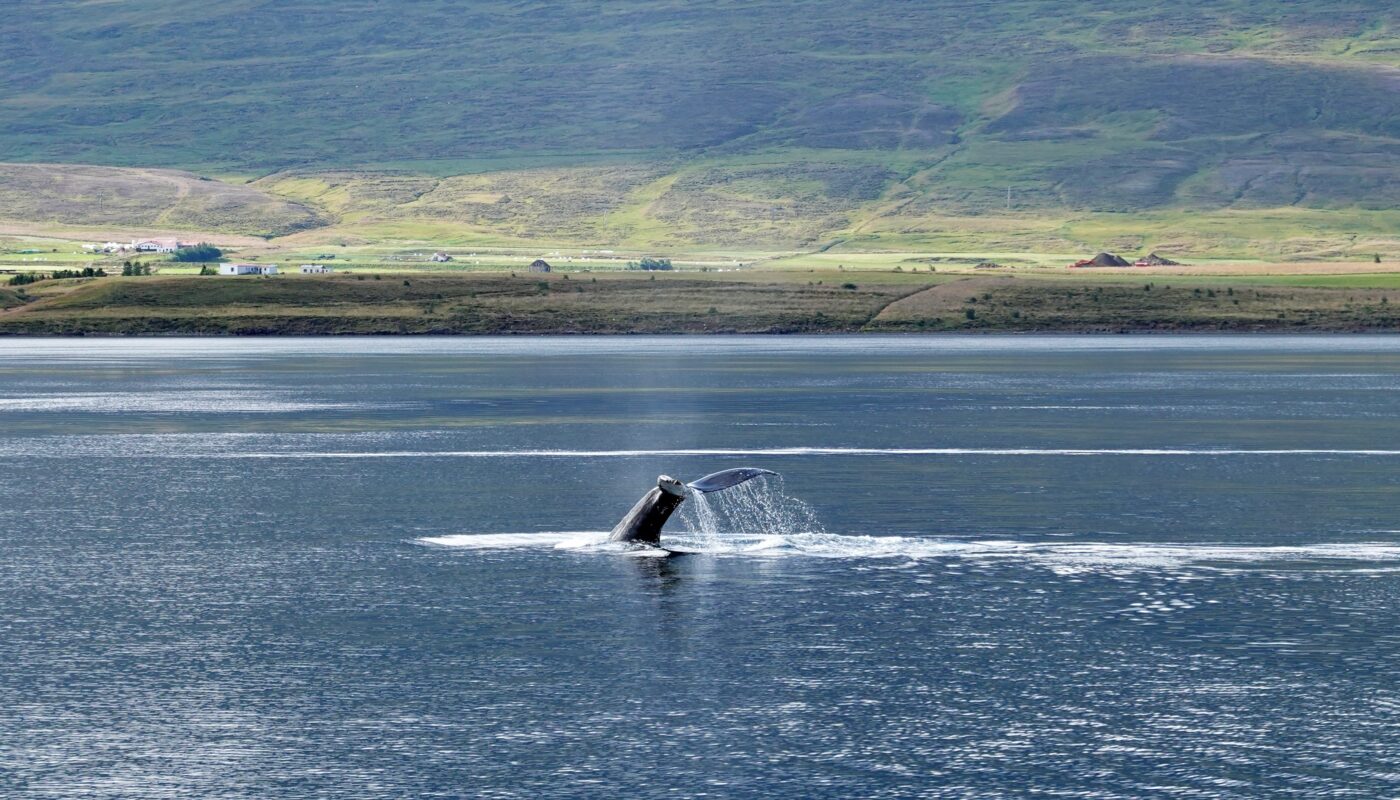
- Tail slaps or breaching behavior
The experience is often silent except for camera clicks and the occasional gasp from passengers.
Types of Whales You Might Encounter
Orcas (Killer Whales)
Orcas are among the most iconic residents of British Columbia’s fjords. These highly social animals travel in tight family groups called pods. Each pod has its own vocal dialect and hunting strategy.
They are frequently seen in fjord systems where salmon runs are strong, making sightings relatively common in certain seasons.
Humpback Whales
Humpbacks are known for their acrobatic behavior. In fjords, they often feed near the surface using bubble-net feeding techniques, where they trap fish in coordinated bursts of bubbles.
Seeing a humpback breach—launching its massive body out of the water—is one of the most dramatic wildlife moments possible.
Grey Whales
Grey whales are more commonly seen during migration periods. They tend to stay closer to shorelines and are often observed passing through fjord-adjacent waters in spring and fall.
What Makes Fjord Whale Watching Unique
Whale watching in Canadian fjords differs from open ocean tours in several key ways:
1. Proximity to Wildlife
The narrow geography increases the chance of close encounters, sometimes within a few hundred meters or less.
2. Dramatic Scenery
Steep mountains, waterfalls, glaciers, and dense forests create a cinematic backdrop that enhances every sighting.
3. Calm Waters
Fjords are typically sheltered from strong ocean waves, making the experience more comfortable for many travelers.
4. Acoustic Experience
In some fjords, the quiet environment allows you to hear whale blows or even vocalizations if conditions are right.
When Is the Best Time to Go?
The ideal whale watching season in Canadian fjords generally runs from late spring through early autumn.
- May to October is the peak period
- Summer months offer the highest sighting probability
- Early fall can provide fewer crowds and active feeding behavior
During these months, whales follow migrating fish and feeding patterns into fjord systems.
What to Expect on Board
A typical fjord whale watching trip includes:
Safety Briefings
Guides explain boat procedures, wildlife etiquette, and conservation rules.
Expert Naturalist Commentary
Marine biologists or trained guides often provide real-time insights about whale behavior.
Wildlife Spotting
In addition to whales, you may see:
- Sea lions resting on rocks
- Bald eagles overhead
- Harbor seals near shorelines
- Occasionally dolphins or porpoises
Weather and Clothing Expectations
Weather in fjord regions can shift quickly. Even on sunny days, temperatures over the water may feel cool due to wind and spray.
Visitors should expect:
- Layered clothing
- Waterproof outerwear
- Gloves or hats in colder months
- Stable footwear for boat decks
Being prepared ensures comfort throughout the journey.
Responsible Whale Watching Practices
Modern whale watching operators in Canada follow strict guidelines to protect marine life. These include:
- Maintaining safe distances from whales
- Limiting boat speed near animals
- Avoiding crowding or blocking whale paths
- Educating passengers about marine conservation
These practices are crucial because whales rely heavily on sound for communication and navigation, and excessive boat noise can interfere with their natural behavior.
Emotional Impact of the Experience
Many visitors describe whale watching in Canadian fjords as a deeply emotional experience. The combination of silence, scale, and sudden wildlife encounters creates a powerful sense of connection to nature.
Unlike staged attractions, everything here is real, unpredictable, and governed by natural rhythms. This unpredictability is part of what makes it unforgettable.
Final Thoughts
Whale watching in Canadian fjords is not just a sightseeing activity—it is an immersion into one of the most pristine marine environments on Earth. From the moment the boat enters the narrow waterways to the first glimpse of a whale breaking the surface, the experience feels both humbling and exhilarating.
Whether you are watching orcas glide through glassy waters or humpbacks feeding beneath towering cliffs, these encounters offer a rare opportunity to witness nature at its most raw and beautiful.
For travelers seeking a meaningful wildlife experience, the fjords of Canada deliver something truly extraordinary—an encounter that stays with you long after the journey ends.