 by
by There are few destinations on Earth that still feel genuinely wild. Greenland is one of them. Vast, icy, and sparsely populated, it is a place where landscapes dominate human presence rather than the other way around. Among its most spectacular natural features are its fjords—deep, glacially carved waterways that cut through mountains and ice in dramatic silence.
For travelers seeking more than conventional sightseeing, Greenland’s fjords offer something rare: true isolation paired with overwhelming natural beauty. This is not a destination for passive tourism. It is a place for exploration, patience, and respect for extreme environments.
What Makes Greenland’s Fjords So Extraordinary?
Fjords exist in several countries, but Greenland’s versions are on another scale entirely. They were formed over millions of years as glaciers slowly carved deep valleys into the land before retreating and allowing the sea to flood in.
What remains today is a network of waterways bordered by towering cliffs, ice sheets, and drifting icebergs. In many regions, human infrastructure is minimal or entirely absent. There are no highways connecting settlements, and travel is often dependent on boats or small aircraft.
This isolation is exactly what defines the experience. Greenland’s fjords are not shaped by tourism—they are shaped by geology and time.
Scoresby Sund: The World’s Largest Fjord System
Scoresby Sund is among the planet’s most striking natural structures. Stretching deep into eastern Greenland, it is widely considered the largest fjord network in the world.
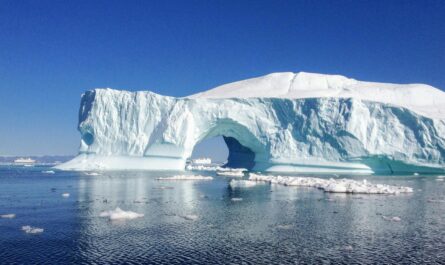
Exploring Scoresby Sund feels like entering another planet. The scale is difficult to comprehend until you are physically surrounded by it—branching channels extend in multiple directions, while icebergs the size of buildings drift slowly through the water.
Visitors who reach this remote region may experience:
- Endless Arctic waterways with shifting ice formations
- Wildlife sightings such as seals, musk oxen, and polar-adapted birds
- Complete silence broken only by ice cracking or water movement
Access is typically by expedition vessel, and journeys here are often carefully planned due to unpredictable conditions.
Ilulissat Icefjord: Where Ice Meets the Sea
On Greenland’s western coast lies one of its most famous natural landmarks: Ilulissat Icefjord. This UNESCO-listed site is fed by a highly active glacier that continuously releases enormous icebergs into the sea.
What makes this fjord remarkable is its constant motion. Ice does not simply sit still—it moves, breaks, and reshapes the landscape daily. Visitors often witness massive chunks of glacier calving into the water, producing thunder-like sounds that echo across the fjord.
Experiences in this region include:
- Walking trails overlooking drifting icebergs
- Boat tours weaving between frozen giants
- Photography opportunities during midnight sun conditions
Unlike more remote fjords, Ilulissat is relatively accessible, making it a key introduction point for Arctic exploration.
Disko Bay: Wildlife and Ice in Harmony
Just north of Ilulissat lies Disko Bay, a region known for its rich marine ecosystems. During warmer months, the bay becomes a hub of activity for Arctic wildlife.
Whales are frequently spotted here, particularly humpbacks and minkes, which migrate into the nutrient-rich waters. Seals often rest on drifting ice, and seabirds circle overhead in large numbers.
For travelers, Disko Bay offers a slightly gentler introduction to Greenland’s fjord landscapes. It combines:
- Accessible coastal communities
- Boat-based wildlife excursions
- Stunning views of floating ice formations
It is one of the few areas where natural beauty and human presence coexist in balance.
Evighedsfjorden: The Fjord of Eternity
Far less visited but equally dramatic is Evighedsfjorden, often translated as the “Fjord of Eternity.” The name reflects its seemingly endless stretch of water and cliffs.
This fjord is defined by its quietness. Unlike more touristed regions, there are few settlements and minimal boat traffic. The environment feels untouched, almost frozen in time.
Key characteristics include:
- Steep rock walls rising directly from the water
- Glaciers feeding into the fjord from inland ice fields
- Waterfalls cascading from melting ice and snow
For experienced travelers, Evighedsfjorden represents solitude at its purest form.
When to Visit Greenland’s Fjords
Timing plays a crucial role in shaping the experience of Greenland’s fjords, as conditions vary dramatically throughout the year.
Summer: The Season of Access
Between June and August, Greenland experiences its most accessible period. Temperatures are milder, sea routes open up, and daylight can last nearly 24 hours in some areas.
During this season, travelers can expect:
- Easier boat and cruise access to fjord systems
- Active wildlife, especially whales and seabirds
- Hiking opportunities in surrounding landscapes
This is the primary season for exploration and guided expeditions.
Winter: The Arctic at Its Most Extreme
From late autumn through early spring, Greenland transforms into a frozen world. Fjords may partially freeze, and daylight becomes extremely limited.
Despite the harshness, winter offers unique experiences:
- Northern lights illuminating the sky
- Dog sledding across frozen terrain
- A deeper sense of isolation and silence
This season is best suited for experienced Arctic travelers seeking intense conditions rather than comfort.
How to Explore Greenland’s Fjords
By Expedition Boat
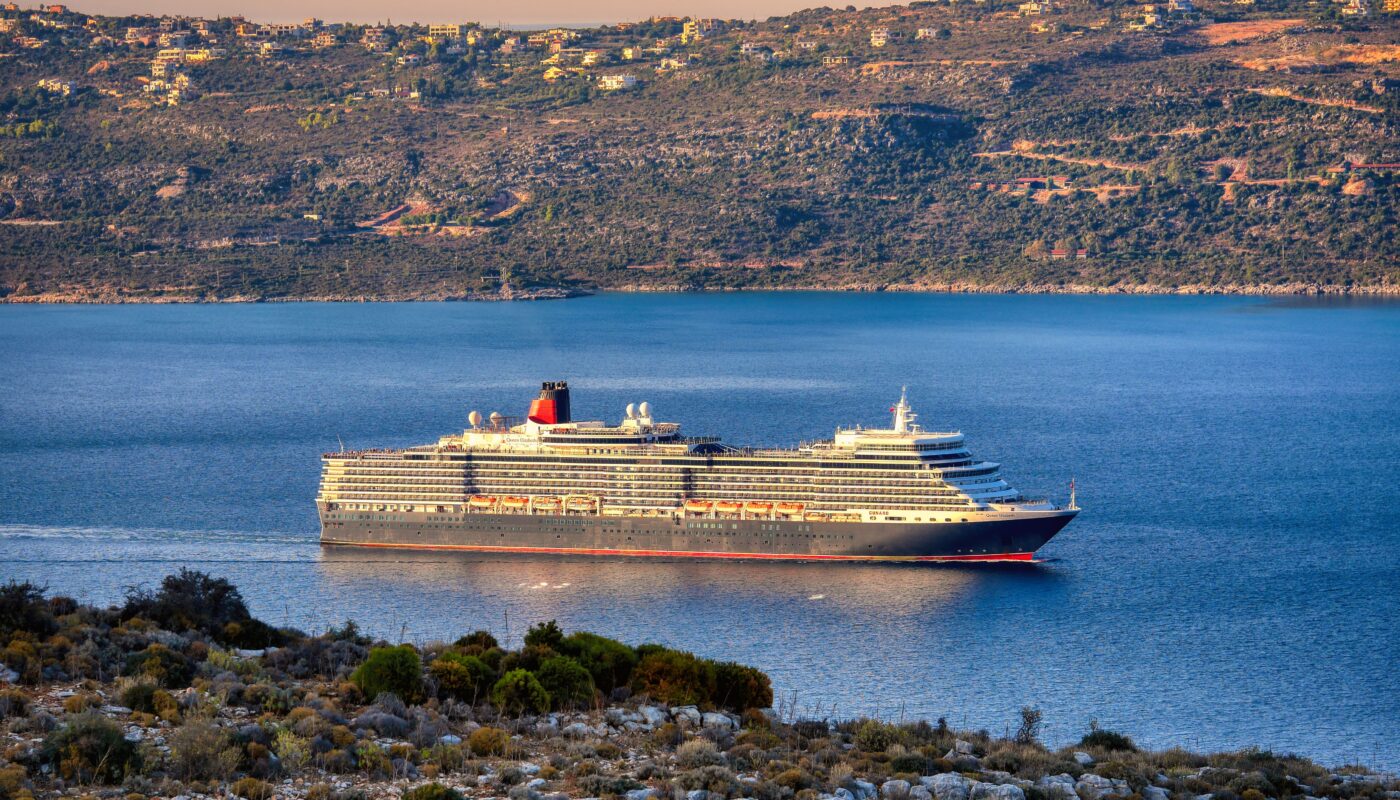
The most common way to navigate Greenland’s fjords is by boat. Specialized expedition vessels allow travelers to move between remote regions while staying relatively comfortable.
This method enables access to:
- Deep fjord channels
- Iceberg-filled waterways
- Remote coastal settlements
However, routes often depend on weather and ice conditions, requiring flexibility.
By Kayak
For those seeking a more immersive experience, kayaking offers a closer connection to the environment. Moving silently through icy waters allows for a unique perspective of the landscape.
This approach provides:
- Direct interaction with ice formations
- A slower, more meditative travel style
- Access to narrow or shallow areas larger vessels cannot reach
It is physically demanding but deeply rewarding.
By Air
Helicopter and small aircraft tours reveal the immense scale of Greenland’s fjords from above. From this perspective, the landscape appears almost abstract—long cuts in the earth filled with shifting ice and water.
Air travel highlights:
- The full scale of glacier systems
- Remote regions inaccessible by sea
- Dramatic contrasts between ice and rock
Activities for Adventurous Travelers
Greenland’s fjords are not just about observation—they are about participation in a living environment.
Hiking
Coastal hikes offer views of fjords from elevated positions. Trails vary from moderate walks to multi-day treks across rugged terrain.
Wildlife Encounters
Depending on the season, travelers may encounter:
- Whales surfacing near icebergs
- Arctic foxes along rocky shores
- Seals resting on floating ice
Each encounter feels rare due to the vastness of the environment.
Photography
The interplay of light, ice, and water creates constantly changing visual conditions. Midnight sun in summer and aurora borealis in winter provide particularly striking scenes.
Practical Considerations for Travelers
Visiting Greenland requires careful planning due to its remoteness.
Limited Infrastructure
There are no road networks connecting towns. Travel relies on:
- Air transport between settlements
- Boats along coastal routes
- Local transfers within communities
High Travel Costs
Because of its isolation, Greenland is one of the more expensive travel destinations globally. Logistics, transport, and accommodation all contribute to higher overall costs.
Weather Dependency
Conditions can change quickly. Flights and boat schedules may shift due to wind, ice, or visibility. Flexibility is essential.
Cultural Connections Along the Fjords
Beyond natural beauty, Greenland’s fjords are home to small communities with deep cultural roots. Life here is closely connected to the sea and land.
Visitors may observe:
- Traditional fishing practices
- Colorful houses set against stark landscapes
- Local craftsmanship and food traditions
These cultural moments add depth to the wilderness experience.
The Emotional Impact of Greenland’s Fjords
Travelers often describe Greenland’s fjords as emotionally powerful. The vastness, silence, and isolation create a sense of perspective rarely found elsewhere.
Common impressions include:
- Feeling small within a massive landscape
- Deep appreciation for untouched nature
- A sense of calm derived from silence
It is a destination that lingers in memory long after departure.
Conclusion
The fjords of Greenland are among the most dramatic natural environments on Earth. From the immense scale of Scoresby Sund to the iconic beauty of Ilulissat Icefjord, each region offers a different expression of Arctic wilderness.
For true adventurers, these fjords are not simply destinations—they are experiences of scale, silence, and raw natural power. They challenge expectations of travel and reward those willing to embrace uncertainty with unforgettable encounters.
Greenland’s fjords do not just show you the world. They change the way you see it.