 by
by Fjords are among the most dramatic natural landscapes on Earth—steep cliffs plunging into deep waters, often framed by waterfalls, glaciers, and shifting light. While many people associate fjords primarily with Norway, they can also be found in destinations like New Zealand, Canada, Chile, and Iceland.
Choosing the right time to visit depends on what you want to experience—midnight sun, autumn colors, wildlife encounters, or snow-covered silence. This month-by-month guide helps you plan the perfect fjord trip anywhere in the world.
Understanding Fjord Seasons Globally
Before diving into specific months, it’s important to remember that fjord destinations exist in both hemispheres.
- Northern Hemisphere fjords (like Norway, Canada, Iceland): summer is June–August
- Southern Hemisphere fjords (like New Zealand, Chile): seasons are reversed
This means there is always a fjord destination in its prime somewhere in the world.
January: Winter Magic and Southern Summer
Northern Hemisphere
In places like Norway and Iceland, January is deep winter:
- Snow-covered landscapes
- Limited daylight
- Quiet, uncrowded fjords
Best for:
- Snow activities
- Northern Lights viewing
Southern Hemisphere
In New Zealand and Chile, January is peak summer:
- Long daylight hours
- Lush green scenery
- Ideal hiking conditions
Top spot:
- Milford Sound offers vibrant waterfalls and excellent visibility.
February: Snow and Serenity
Northern Hemisphere
- Continued winter conditions
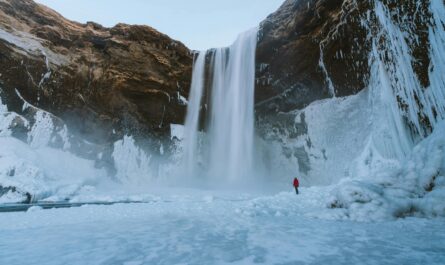
- Frozen waterfalls in some regions
- Excellent for solitude
Southern Hemisphere
- Still prime summer in New Zealand and Chile
- Warm but not overly crowded
Best for:
- Scenic cruises
- Wildlife spotting
March: Transition Begins
March is a transitional month in many fjord regions.
Northern Hemisphere
- Late winter conditions
- Increasing daylight
- Fewer crowds than peak summer
Southern Hemisphere
- Early autumn in New Zealand and Chile
- Cooler temperatures
- Fewer tourists
Great for:
- Photography with softer light
April: Shoulder Season Calm
April is quieter across most fjord destinations.
Northern Hemisphere
- Snow begins to melt
- Some routes may still be closed
- Waterfalls become more active
Southern Hemisphere
- Autumn colors begin in Chile
- Crisp air and clear skies
Best for:
- Travelers seeking peace and lower prices
May: Waterfalls Come Alive
May is one of the most underrated months for fjord travel.
Northern Hemisphere
In Norway and Iceland:
- Snowmelt feeds waterfalls
- Landscapes turn green
- Fewer crowds than summer
Top destination:
- Geirangerfjord is especially dramatic during this time.
Southern Hemisphere
- Late autumn transitioning to winter
- Cooler but still accessible
June: Peak Season Begins
June marks the start of peak fjord season in the north.
Northern Hemisphere
- Long daylight hours (midnight sun in some areas)
- Ideal weather for hiking
- Full access to fjord routes
Best for:
- Outdoor activities
- Scenic drives
Southern Hemisphere
- Winter begins
- Snow-capped landscapes
In Chile, fjords become quieter and more atmospheric.
July: The Classic Fjord Experience
July is the most popular time to visit fjords worldwide.
Northern Hemisphere
- Warmest temperatures
- All routes open
- Vibrant landscapes
However:
- Crowds are at their peak
- Prices are higher
Top locations:
- Sognefjord, the longest fjord in Norway
- Hardangerfjord, known for orchards and scenic beauty
Southern Hemisphere
- Winter conditions
- Unique snowy fjord landscapes
August: Warm and Lively
August continues peak season in northern fjords.
Northern Hemisphere
- Slightly fewer crowds than July
- Warm weather
- Excellent hiking conditions
Southern Hemisphere
- Late winter
- Snow remains in mountainous areas
September: Golden Landscapes
September is one of the best months for many fjord destinations.
Northern Hemisphere
- Autumn colors begin
- Fewer tourists
- Cooler but comfortable weather
Best for:
- Photography
- Peaceful exploration
Southern Hemisphere
- Spring begins
- Blooming landscapes
October: Quiet Beauty
October offers a more tranquil fjord experience.
Northern Hemisphere
- Rich autumn colors
- Crisp air
- Reduced crowds
However:
- Some services begin to close
Southern Hemisphere
- Spring in full swing
- Waterfalls fed by snowmelt
November: Off-Season Exploration
November is a quiet month across most fjord regions.
Northern Hemisphere
- Early winter conditions
- Limited daylight
- Fewer visitors
Southern Hemisphere
- Late spring
- Increasing temperatures
December: Contrasts of Light and Season
Northern Hemisphere
- Snowy landscapes
- Festive atmosphere
- Northern Lights opportunities
Southern Hemisphere
- Beginning of summer
- Increasing visitor numbers
Top pick:
- Fiordland National Park for lush, dramatic scenery.
Best Time by Travel Style
For Good Weather
- June to August (Northern Hemisphere)
- December to February (Southern Hemisphere)
For Fewer Crowds
- May and September (Northern Hemisphere)
- March and October (Southern Hemisphere)
For Photography
- May (waterfalls)
- September–October (autumn colors)
- Winter months (snow and contrast)
For Adventure Activities
- Summer months for hiking
- Winter months for snow-based experiences
Regional Highlights at a Glance
Norway
- Best overall: May to September
- Highlight: Waterfalls in spring, midnight sun in summer
New Zealand
- Best overall: December to March
- Highlight: Year-round waterfalls due to rainfall
Canada
- Best overall: June to September
- Highlight: Wildlife and coastal fjords
Chile
- Best overall: December to March
- Highlight: Remote, less crowded fjords
Iceland
- Best overall: June to August (summer) or winter for Northern Lights
Final Thoughts
There is no single “perfect” time to visit fjords—only the time that best matches your travel style.
- Want vibrant landscapes and long days? Choose summer.
- Prefer quiet and dramatic scenery? Consider winter or shoulder seasons.
- Looking for balance? Spring and autumn offer the best of both worlds.
The beauty of fjords lies not just in their geography, but in their ability to transform with the seasons. Whether bathed in midnight sun, framed by autumn colors, or covered in snow, they offer a different experience each time you visit.
Ultimately, the best time to go is when your expectations align with what the landscape offers—and with fjords, there’s always something extraordinary waiting, no matter the month.