 by
by One of the world’s most striking natural settings is the fjords in Northern Europe. Towering cliffs rise directly from deep blue water, waterfalls plunge from mountain heights, and small villages rest peacefully along narrow inlets shaped by glaciers thousands of years ago. For decades, cruise ships have dominated fjord tourism, carrying thousands of passengers through these magnificent waterways. However, an increasing number of travelers are now searching for a different experience—one that is slower, more personal, more sustainable, and far less crowded.
Traveling the fjords without a cruise ship allows visitors to connect more deeply with nature, local culture, and the rhythm of life in these remote regions. Instead of viewing the scenery briefly from a crowded deck, independent travelers can hike through mountain valleys, stay in family-owned guesthouses, ride scenic railways, kayak beside waterfalls, and explore hidden villages that many cruise passengers never see.
Whether you are planning a journey through Norway’s famous fjords, Iceland’s rugged coastal inlets, or other Scandinavian landscapes, independent fjord travel offers flexibility, authenticity, and unforgettable experiences. This guide explains how to explore the fjords without relying on large cruise ships while still enjoying the very best scenery and adventures these regions have to offer.
Why Avoid Cruise Ship Travel?
Cruise ships remain popular because they simplify transportation and accommodation. However, they also come with several disadvantages that independent travelers increasingly want to avoid.
Crowded Experiences
Large cruise ships often bring thousands of visitors into tiny fjord villages at the same time. Quiet towns can suddenly become packed with tourists, souvenir shops, and long queues. Many travelers feel disconnected from the natural tranquility that originally attracted them to the fjords.
Independent travel offers a calmer experience. Instead of following strict cruise schedules, you can move at your own pace and spend more time in places that genuinely interest you.
Limited Cultural Connection
Cruise itineraries usually allow only a few hours in each destination. Travelers often see only the most commercialized areas before returning to the ship.
Without a cruise, you gain opportunities to:
- Stay in local accommodations
- Eat at regional restaurants
- Meet residents
- Explore lesser-known areas
- Experience local traditions
This creates a far more meaningful connection with the region.
Environmental Concerns
Many travelers also choose independent fjord travel for environmental reasons. Large cruise ships can produce significant emissions and contribute to overtourism in fragile ecosystems.
Traveling by train, electric ferry, bus, bicycle, or small local boat often creates a smaller environmental impact while supporting local economies more directly.
Choosing the Right Fjord Region
When people think of fjords, Norway usually comes to mind first. However, several regions around the world feature spectacular fjord landscapes.
Norway
Norway is unquestionably the most famous fjord destination. The country’s western coastline contains hundreds of fjords, many surrounded by steep mountains, glaciers, and waterfalls.
Some of the most popular fjord regions include:
- Geirangerfjord
- Nærøyfjord
- Sognefjord
- Hardangerfjord
- Lysefjord
Norway’s excellent public transportation system makes independent travel relatively easy.
Iceland
Iceland’s Westfjords and Eastfjords offer a more remote and rugged experience. The landscapes here feel wild and untouched, with dramatic cliffs, black sand beaches, and isolated fishing villages.
Traveling independently in Iceland often requires renting a vehicle, but the sense of freedom is extraordinary.
Faroe Islands
The Faroe Islands provide a quieter alternative to heavily visited fjord destinations. Located in the North Atlantic, these islands feature steep green cliffs, sea birds, waterfalls, and small villages connected by tunnels and ferries.
The islands are ideal for travelers seeking solitude and dramatic scenery.
Traveling by Scenic Railways
One of the best ways to explore fjord regions without a cruise ship is by train.
Norway’s Railway System
Norway’s rail network is considered one of the most scenic in the world. Trains pass through mountains, forests, valleys, and remote villages while offering comfortable transportation between fjord regions.
The Bergen Railway is especially famous for crossing the Hardangervidda mountain plateau before connecting Oslo and Bergen.
Travelers can combine train journeys with ferries and buses to create flexible fjord itineraries.
The Flåm Railway
One of the most breathtaking train trips in the world is the Flåm Railway. Descending through steep mountain valleys toward Aurlandsfjord, the route passes waterfalls, rivers, and dramatic alpine scenery.
Unlike cruise excursions that visit Flåm for only a few hours, independent travelers can stay overnight and enjoy the surrounding hiking trails after day crowds disappear.
Using Ferries Instead of Cruise Ships
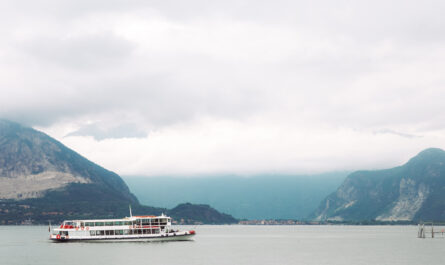
One of the secrets to independent fjord travel is Norway’s local ferry network.
Unlike massive cruise liners, these ferries function as part of daily transportation systems. Locals use them to travel between villages, islands, and fjord communities.
Benefits of Local Ferries
Traveling by local ferry offers several advantages:
- Lower cost
- Smaller crowds
- Flexible routes
- Better cultural immersion
- Scenic viewpoints
- Access to remote villages
Passengers often sit outdoors, enjoying close-up views of cliffs, waterfalls, and mountain farms while experiencing a more authentic atmosphere.
Some ferry routes pass through UNESCO-protected fjords where electric ferries now help reduce environmental impact.
Exploring Fjords by Car
For travelers who value flexibility, renting a car provides one of the best ways to explore fjord landscapes independently.
Freedom to Stop Anywhere
Driving allows you to:
- Visit hidden viewpoints
- Stop at waterfalls
- Explore quiet villages
- Take scenic detours
- Reach remote hiking areas
- Avoid rigid schedules
Many of the most memorable fjord experiences happen unexpectedly while driving narrow mountain roads through breathtaking scenery.
Scenic Roads
Norway’s National Tourist Routes are specially designed scenic roads that connect major natural attractions.
These roads include:
- Viewing platforms
- Architectural rest stops
- Hiking access points
- Photography locations
Popular routes include the Atlantic Ocean Road and Trollstigen mountain pass.
Important Driving Considerations
Driving in fjord regions requires patience and caution.
Roads may include:
- Sharp turns
- Narrow tunnels
- Steep inclines
- Ferry crossings
- Weather changes
Travelers unfamiliar with mountain driving should plan shorter daily distances and allow extra travel time.
Hiking Through the Fjords
One of the greatest advantages of avoiding cruise travel is the opportunity to spend real time outdoors.
The fjord regions contain some of Europe’s most spectacular hiking opportunities.
Famous Fjord Hikes
Popular hikes include:
- Preikestolen (Pulpit Rock)
- Trolltunga
- Romsdalseggen Ridge
- Besseggen Ridge
- Reinebringen in the Lofoten Islands
These trails offer dramatic views over fjords, lakes, and mountain landscapes.
Slower Hiking Experiences
Not every fjord hike needs to be extreme. Many travelers prefer gentle walks through valleys, forests, and village paths.
These slower hikes often reveal:
- Traditional farms
- Wildflowers
- Waterfalls
- Grazing sheep
- Quiet lakes
Walking through fjord landscapes allows visitors to experience the sounds, smells, and textures of nature in ways impossible from a cruise deck.
Staying in Local Accommodations
Independent fjord travel opens opportunities to stay in unique accommodations that cruise passengers never experience.
Fjord Cabins
Traditional Norwegian cabins, often painted red or white, provide cozy and scenic places to stay. Many sit directly beside the water with incredible mountain views.
Farm Stays
Some travelers choose family-owned farms where guests can experience rural Scandinavian life firsthand.
Farm stays may include:
- Homemade meals
- Fresh local produce
- Animal encounters
- Traditional architecture
Small Guesthouses
Small guesthouses and boutique inns often provide personalized hospitality and local recommendations unavailable on cruise excursions.
Owners frequently share hiking advice, hidden viewpoints, and lesser-known attractions.
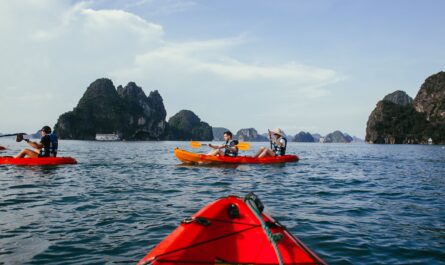
Kayaking Through the Fjords
Kayaking is one of the most immersive ways to experience fjord landscapes.
Paddling silently across calm water creates a completely different perspective compared to viewing fjords from large ships.
Why Kayaking Is Special
Kayakers can:
- Approach waterfalls closely
- Explore narrow inlets
- Hear wildlife sounds
- Experience total silence
- Access isolated beaches
Morning kayaking trips are especially magical when the water reflects surrounding mountains like glass.
Guided vs Independent Kayaking
Beginners should consider guided tours for safety and navigation support.
Experienced paddlers may prefer independent rentals, although weather conditions in fjord regions can change quickly.
Visiting Fjord Villages Slowly
Without cruise schedules dictating your time, you can truly explore fjord communities.
Enjoying Village Life
Instead of rushing between attractions, spend time:
- Sitting beside harbors
- Visiting local cafés
- Browsing artisan shops
- Watching fishing boats
- Talking with residents
Small villages often reveal the cultural soul of the fjord regions.
Popular Fjord Villages
Beautiful villages include:
- Flåm
- Balestrand
- Undredal
- Geiranger
- Reine
- Gudvangen
Each offers unique scenery and atmosphere.
Traveling Sustainably in Fjord Regions
Many travelers avoiding cruises are also interested in sustainable tourism.
Supporting Local Economies
Independent travel often benefits smaller businesses directly, including:
- Local restaurants
- Family-run hotels
- Independent guides
- Regional transportation providers
Reducing Environmental Impact
Ways to travel more sustainably include:
- Using trains and buses
- Choosing electric ferries
- Hiking instead of driving short distances
- Carrying reusable water bottles
- Respecting wildlife and nature trails
Responsible tourism helps preserve fjord environments for future generations.
Best Seasons for Independent Fjord Travel
Each season offers a different fjord experience.
Summer
Summer provides:
- Long daylight hours
- Open hiking trails
- Warm temperatures
- Accessible roads
However, it is also the busiest season.
Spring
Spring brings:
- Waterfalls at peak flow
- Fewer tourists
- Fresh greenery
- Snow-covered peaks
Autumn
Autumn offers:
- Colorful forests
- Crisp air
- Smaller crowds
- Dramatic photography conditions
Winter
Winter creates a quieter, more atmospheric fjord experience with snow-covered mountains and northern lights opportunities in northern regions.
Packing Tips for Fjord Travel
Weather in fjord regions changes quickly, even during summer.
Essential items include:
- Waterproof jacket
- Hiking shoes
- Warm layers
- Reusable water bottle
- Camera
- Backpack
- Gloves and hat
- Power bank
Layered clothing is especially important because temperatures can shift dramatically between sea level and mountain elevations.
Final Thoughts
Traveling the fjords without a cruise ship offers something increasingly rare in modern tourism: freedom, authenticity, and genuine connection with nature.
Instead of briefly observing the fjords from crowded decks, independent travelers can immerse themselves fully in the landscapes. They can hike mountain trails, paddle through silent waters, stay in remote villages, and discover hidden corners that large cruise itineraries often overlook.
Whether you travel by train through Norway’s mountains, kayak beside waterfalls, drive scenic coastal roads, or ride local ferries between tiny villages, the fjords reveal themselves most beautifully to travelers willing to slow down.
The experience becomes less about checking destinations off a list and more about truly feeling the rhythm of the landscapes—the sound of waterfalls echoing through valleys, the stillness of early morning water, and the quiet beauty of mountains shaped by ancient glaciers.
For travelers seeking adventure, sustainability, and deeper cultural experiences, exploring the fjords independently may become one of the most rewarding journeys imaginable.