 by
by Few places in the world feel as dramatic and untouched as Milford Sound. Towering cliffs rise almost vertically from dark water, waterfalls spill from impossible heights after rainfall, and mist drifts through the surrounding mountains in a way that makes the landscape feel almost prehistoric.
Most visitors experience Milford Sound from large sightseeing boats. These cruises are undeniably scenic, but kayaking offers something entirely different.
Instead of observing the fjord from a crowded deck, kayaking places you directly on the water itself. You move slowly beneath waterfalls, glide past cliffs that seem endless, and experience long stretches of silence interrupted only by paddles, birds, and distant flowing water.
At the same time, kayaking Milford Sound is not always as peaceful or effortless as social media images suggest. Weather changes quickly, conditions can become physically demanding, and the scale of the fjord feels far more intense from water level than many travelers expect.
This guide explores what kayaking Milford Sound is really like—from the scenery and wildlife to the physical realities, weather challenges, emotional experience, and practical expectations travelers should understand before going.
First Impressions: The Scale Feels Unreal
One of the first things kayakers notice is how enormous Milford Sound actually feels.
Photos rarely capture the true scale of:
- The surrounding cliffs
- The height of waterfalls
- The darkness and depth of the water
- The vertical mountain walls
From a kayak, everything appears dramatically larger because you sit so low to the water.
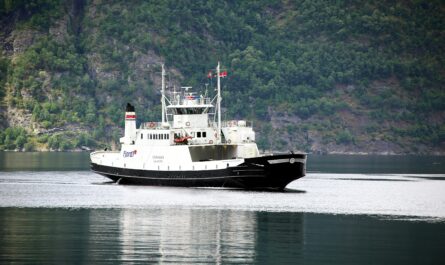
Large cruise boats nearby often look tiny against the landscape, which quickly changes your perception of distance and size.
Many first-time kayakers describe the experience as humbling because the environment feels overwhelmingly powerful yet strangely peaceful at the same time.
The Water Is Usually Calmer Than Expected
People unfamiliar with fjords often assume kayaking Milford Sound involves rough ocean conditions.
Surprisingly, the water inside the fjord is often relatively calm compared to open coastal kayaking.
The steep mountain walls provide natural protection from large ocean swells.
That said, conditions still vary depending on:
- Wind
- Rain
- Boat traffic
- Tides
- Seasonal weather changes
Mornings are usually calmer, which is why many guided kayaking tours begin early in the day.
Calm water allows kayakers to:
- Move steadily without constant wave impact
- Enjoy reflections of mountains on the surface
- Focus more on scenery than balancing
However, even calm conditions can feel intimidating because the landscape itself is so massive.
Rain Completely Changes the Experience
Rain is one of the defining features of Milford Sound.
The region is among the wettest places on Earth, receiving extraordinary annual rainfall.
For travelers hoping for perfect blue skies, this can initially sound disappointing.
In reality, rain often makes kayaking even more spectacular.
When it rains:
- Hundreds of temporary waterfalls appear
- Mist moves dramatically through the mountains
- The fjord becomes quieter and moodier
- Cliffs seem even more dramatic
Many experienced visitors actually prefer rainy conditions because the landscape feels more alive.
The downside is that kayaking becomes:
- Colder
- Wetter
- More physically demanding
Dry clothing and proper waterproof gear become extremely important.
The Silence Feels Powerful
One of the most memorable parts of kayaking Milford Sound is the silence.
Cruise boats can feel busy and social, but kayaks create a completely different atmosphere.
When large boats disappear into the distance, the soundscape changes dramatically:
- Water dripping from cliffs
- Birds calling overhead
- Paddle strokes cutting through water
- Distant waterfalls echoing across the fjord
The silence feels immersive rather than empty.
Many travelers describe this as the moment when Milford Sound feels truly wild.
The slower pace of kayaking allows visitors to absorb details often missed on larger tours.
Waterfalls Look Completely Different Up Close
Seeing waterfalls from a kayak feels dramatically different than seeing them from shore or cruise decks.
Some waterfalls in Milford Sound:
- Drop directly beside kayakers
- Create cold mist clouds over the water
- Produce deep echoing sounds
During heavy rain, countless temporary waterfalls form across the cliffs.
These waterfalls may:
- Appear suddenly after storms
- Vanish within hours or days
- Flow from heights difficult to fully comprehend
From water level, the falling water often feels more powerful and immersive.
The experience becomes less about sightseeing and more about physically existing inside the landscape.
Wildlife Encounters Feel More Personal
Milford Sound contains a variety of wildlife that kayakers may encounter unexpectedly.
Possible sightings include:
- Fur seals resting on rocks
- Dolphins swimming near kayaks
- Penguins during certain seasons
- Seabirds flying close to the water
Wildlife interactions feel more intimate from kayaks because:
- Movement is quieter
- There is less engine noise
- Animals sometimes approach naturally
Dolphins occasionally swim surprisingly close, creating unforgettable moments.
However, wildlife sightings are never guaranteed, and conditions influence visibility significantly.
The Physical Effort Surprises Some Travelers
Kayaking Milford Sound looks peaceful in photos, but it can be physically tiring.
Several factors increase the difficulty:
- Cold temperatures
- Long paddling distances
- Wind resistance
- Rain exposure
- Constant upper-body movement
Even beginner-friendly tours may involve several hours on the water.
Travelers unused to kayaking sometimes underestimate:
- Shoulder fatigue
- Wet conditions
- Energy required for steady paddling
That said, most guided tours are designed for beginners rather than experienced athletes.
The goal is usually scenic exploration, not intense sport kayaking.
Weather Can Change Extremely Fast
One of the most important realities of Milford Sound is its unpredictable weather.
Conditions can shift rapidly from:
- Calm sunshine
- Heavy rain
- Strong winds
- Thick mist
This unpredictability creates both beauty and challenge.
A sunny fjord may transform into a dark, mist-filled landscape within minutes.
Guides monitor weather carefully because:
- Wind affects kayak stability
- Visibility changes quickly
- Rain influences water conditions
Travelers should expect variable weather rather than hoping for consistent sunshine.
In many ways, the changing atmosphere is part of what makes Milford Sound unforgettable.
The Cold Is Often Underestimated
Even during warmer seasons, Milford Sound can feel cold on the water.
Factors contributing to this include:
- Glacier-fed water temperatures
- Rain exposure
- Wind chill
- Long periods without physical warmth breaks
Waterproof gear is essential.
Most guided tours provide:
- Spray skirts
- Waterproof jackets
- Thermal layers or rain gear
Without proper equipment, kayaking can become uncomfortable quickly.
Travelers should prepare for wet conditions even on relatively clear days.
Guided Tours vs Independent Kayaking
Most visitors experience Milford Sound through guided kayaking tours.
Guided tours provide:
- Safety instruction
- Equipment
- Local weather knowledge
- Navigation assistance
- Wildlife and environmental information
For beginners, guided kayaking is strongly recommended because Milford Sound’s conditions can change rapidly.
Independent kayaking is possible for experienced paddlers but requires:
- Advanced preparation
- Weather awareness
- Proper safety planning
The remote nature of the fjord makes self-guided trips significantly more serious than casual recreational kayaking elsewhere.
Morning Tours Are Usually Better
Many experienced guides recommend early morning kayaking.
Morning conditions often provide:
- Calmer water
- Fewer boats
- Better reflections
- More peaceful atmosphere
The fjord feels especially magical at sunrise when mist hangs low across the mountains and tourist activity remains minimal.
Later in the day:
- Winds may increase
- Boat traffic becomes heavier
- Weather changes become more likely
For travelers seeking tranquility, early departures are usually worth it.
The Emotional Experience Is Hard to Describe
Many travelers expect kayaking Milford Sound to feel scenic.
What surprises them is how emotional the experience can become.
The combination of:
- Enormous cliffs
- Isolation
- Silence
- Constant water movement
- Changing weather
creates an atmosphere that feels deeply immersive.
Some people describe the fjord as calming.
Others describe it as overwhelming in a beautiful way.
The landscape often feels ancient and untamed, which creates a stronger emotional reaction than typical sightseeing experiences.
What Social Media Often Leaves Out
Photos and videos frequently focus on perfect conditions:
- Bright sunshine
- Smooth water
- Clear mountain views
But reality often includes:
- Cold hands
- Heavy rain
- Wet clothing
- Tired shoulders
- Sudden weather shifts
Ironically, these challenging conditions are often what make the experience memorable.
Milford Sound feels real, raw, and unpredictable—not staged or controlled.
That authenticity becomes part of its appeal.
Is Kayaking Milford Sound Worth It?
For many travelers, kayaking becomes the highlight of their New Zealand journey.
Compared to cruise boats, kayaking offers:
- Greater immersion
- Closer connection to the environment
- More silence and solitude
- Slower exploration
However, it is not ideal for everyone.
People who dislike:
- Cold weather
- Rain
- Physical exertion
- Unpredictable conditions
may prefer scenic cruises instead.
Kayaking works best for travelers who value:
- Nature immersion
- Quiet experiences
- Adventure balanced with reflection
Tips for First-Time Kayakers
To improve the experience:
- Wear proper thermal clothing
- Accept that you will likely get wet
- Bring waterproof protection for valuables
- Choose morning tours if possible
- Listen carefully to guides
- Prepare for changing weather mentally
Most importantly, avoid expecting “perfect” conditions.
Milford Sound’s beauty often comes from its unpredictability.
Final Thoughts
Kayaking Milford Sound is far more than a sightseeing activity.
It is an immersive experience shaped by:
- Massive landscapes
- Constant weather changes
- Silence and scale
- Physical movement through wild scenery
From water level, the fjord feels larger, quieter, and more emotionally powerful than most travelers anticipate.
Yes, you may face rain, cold air, tired muscles, and unpredictable conditions. But those realities are part of what makes kayaking Milford Sound feel authentic rather than manufactured.
For travelers willing to embrace the elements, kayaking offers one of the closest and most unforgettable ways to truly experience the raw beauty of New Zealand’s most famous fjord.