 by
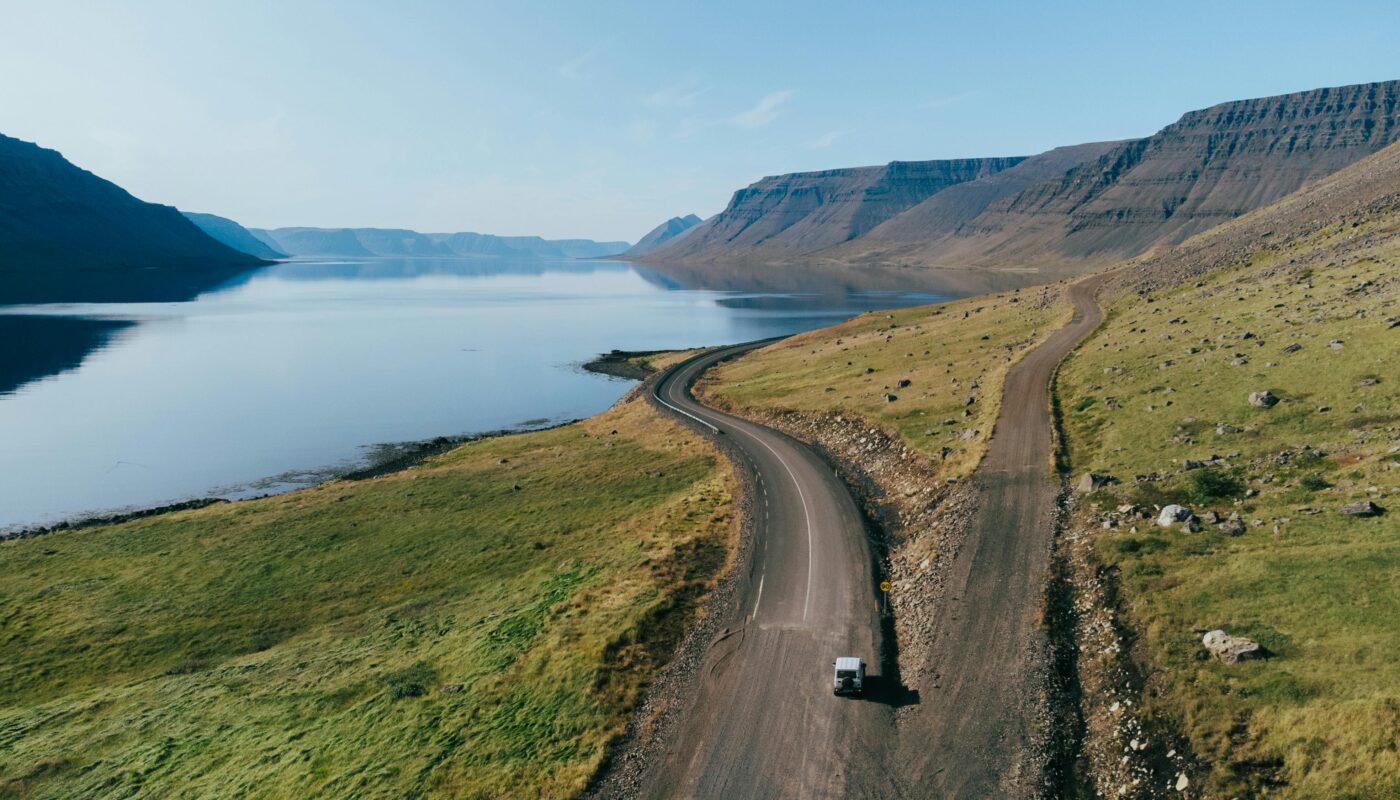
by Driving through the fjord regions of Scandinavia is one of the most unforgettable travel experiences in the world. Roads curve around deep blue waterways, waterfalls tumble down steep mountainsides, tiny villages appear between cliffs, and every turn seems to reveal another dramatic panorama. For many travelers, renting a car in Norway or nearby Nordic regions feels like the ideal way to explore these landscapes freely and independently.
At the same time, fjord driving can feel intimidating for first-time visitors. Mountain roads, tunnels, unpredictable weather, narrow lanes, ferries, and steep elevation changes create conditions very different from ordinary city or highway driving. Tourists often wonder whether driving in fjord regions is genuinely safe or if the risks are greater than they expected.
The reality is that fjord driving is generally safe for careful and prepared travelers. Scandinavian countries maintain strong road safety standards, and most routes are well managed. However, the unique geography of fjord regions demands patience, awareness, and realistic expectations. The greatest dangers usually come not from the roads themselves but from driver inexperience, distraction, rushing, or underestimating local conditions.
This guide explains what tourists should know before driving in fjord regions, including seasonal conditions, road challenges, weather concerns, local driving habits, and practical safety advice for a smoother and safer journey.
Why Fjord Roads Feel Different
Many visitors imagine Nordic roads as wide, modern highways cutting through mountains. In reality, fjord roads are often built around difficult natural terrain. Instead of straight roads, drivers encounter winding coastal routes, steep mountain climbs, narrow valleys, tunnels, and cliffside curves.
The geography of fjord regions creates several unique driving characteristics:
- Continuous curves and bends
- Sharp elevation changes
- Narrow two-way roads
- Limited shoulders
- Frequent tunnels
- Ferry crossings integrated into road networks
- Rapid weather changes
Even experienced drivers may initially find fjord driving mentally exhausting because constant concentration is required.
Unlike long highway journeys where drivers can relax into predictable road patterns, fjord roads demand continuous attention to steering, braking, and changing surroundings.
Are Scandinavian Fjord Roads Dangerous?
For most travelers, fjord roads are not dangerously unsafe, but they are challenging compared to ordinary driving environments.
Norway and neighboring Nordic countries consistently rank among the safer countries for road travel due to:
- Good infrastructure
- Strict traffic laws
- Strong maintenance standards
- Clear road signage
- Responsible driving culture
However, safety depends heavily on driver behavior.
The majority of tourist-related problems happen because visitors:
- Drive too fast for conditions
- Become distracted by scenery
- Underestimate mountain weather
- Have little experience with narrow roads
- Attempt winter driving without preparation
Driving safely in fjord regions requires adapting to local conditions rather than treating the roads like ordinary tourist highways.
Narrow Roads Surprise Many Visitors
One of the biggest surprises for international tourists is how narrow many fjord roads can be.
In remote mountain areas, roads may feel much smaller than expected. Some routes barely allow two vehicles to pass comfortably. Others include blind corners, steep drops, or very limited space on either side.
In certain locations, drivers may even need to reverse slightly to allow another vehicle through a narrow section.
For travelers unfamiliar with mountain driving, this can feel stressful at first.
How to Handle Narrow Roads Safely
The safest approach is to:
- Drive slowly
- Stay calm
- Keep both hands on the wheel
- Use designated pull-over points
- Let faster vehicles pass
- Avoid sudden movements
Local drivers are often very familiar with these roads and may drive confidently at speeds that feel uncomfortable to tourists. Visitors should never feel pressured to match local pace.
It is perfectly acceptable to drive cautiously.
Mountain Passes and Hairpin Turns
Some of Scandinavia’s most famous fjord roads include dramatic mountain passes with sharp hairpin bends and steep climbs.
Routes such as Trollstigen have become internationally famous because of their breathtaking engineering and spectacular scenery.
However, these roads require concentration.
Important Driving Techniques
When driving on steep mountain roads:
- Reduce speed before entering curves
- Avoid sudden braking mid-turn
- Use lower gears during descents
- Leave extra distance between vehicles
- Watch carefully for cyclists and buses
Long downhill sections can overheat brakes if drivers rely too heavily on constant braking instead of engine control.
Patience is extremely important on mountain roads. Trying to rush often creates unnecessary risk.
Weather Changes Extremely Fast
One of the defining features of fjord regions is unpredictable weather.
Conditions can shift dramatically within short periods, especially near mountains and coastlines. A sunny morning can quickly become foggy, rainy, or windy.
Drivers may encounter:
- Heavy rain
- Dense fog
- Strong winds
- Wet road surfaces
- Sudden cold temperatures
- Snow at higher elevations
Visibility can change rapidly, particularly around mountain passes.
Because of this, tourists should check weather forecasts regularly and remain flexible with travel plans.
Summer Driving Is Usually Comfortable
For most travelers, summer is the easiest and safest season for fjord road trips.
From late spring through early autumn, roads are generally:
- Dry
- Clear of snow
- Easier to navigate
- Open for longer daylight hours
Summer also brings milder temperatures and better visibility.
This makes fjord driving accessible even for tourists with limited mountain driving experience.
However, summer introduces its own challenges.
Tourist Traffic Can Create Problems
During peak travel season, popular fjord destinations become crowded.
Tourists often slow down suddenly for photographs, stop unpredictably, or become distracted by scenery.
This can create dangerous situations on narrow roads.
Never Stop in Active Traffic Lanes
One of the most common mistakes visitors make is pulling over carelessly to take pictures of waterfalls or mountain views.
Stopping on narrow roads without proper parking space is extremely dangerous.
Instead, always use:
- Designated viewpoints
- Official parking areas
- Scenic pull-offs
- Rest stops
If no safe stopping point exists, continue driving until one appears.
No photograph is worth risking an accident.
Tunnels Are Part of Everyday Driving
Norway contains thousands of road tunnels, many cutting directly through mountains beneath fjords and valleys.
Some tunnels are short and modern, while others are:
- Very long
- Narrow
- Curved
- Dimly lit
For first-time visitors, driving through long tunnels may feel unusual or slightly claustrophobic.
Tips for Tunnel Driving
Inside tunnels:
- Maintain steady speed
- Avoid sudden lane changes
- Keep headlights on
- Stay alert for moisture or slippery surfaces
- Avoid distractions
Long tunnels can also cause mental fatigue during extended road trips, so regular breaks are helpful.
Winter Driving Is Far More Challenging
Winter dramatically changes driving conditions in fjord regions.
Snow, ice, freezing rain, darkness, and strong winds can create dangerous situations for inexperienced drivers.
Even roads that feel comfortable during summer may become difficult during winter.
Black Ice Is Especially Dangerous
One of the greatest winter hazards is black ice — a nearly invisible layer of ice that forms on road surfaces.
Tourists unfamiliar with icy driving conditions often underestimate how slippery roads can become.
Even vehicles equipped with winter tires or four-wheel drive cannot eliminate the danger completely.
Four-wheel drive improves traction but does not reduce stopping distance on ice.
Should Tourists Avoid Winter Self-Driving?
Travelers with no experience driving on snow or ice should seriously consider alternatives during winter.
Public transportation, guided tours, and trains may provide safer options in difficult conditions.
Winter fjord driving is best suited for people who:
- Have snow-driving experience
- Understand icy road behavior
- Feel comfortable on mountain roads
- Can handle rapidly changing weather
Inexperienced winter drivers may quickly become overwhelmed.
Wildlife Can Appear Suddenly
Scandinavian roads pass through vast natural environments where wildlife crossings are common.
Drivers may encounter:
- Moose
- Deer
- Reindeer
- Sheep
Large animals can appear unexpectedly, especially during:
- Dawn
- Dusk
- Nighttime
Moose collisions are particularly dangerous due to the animal’s size and height.
Reducing speed in rural areas significantly improves reaction time.
Ferries Are Part of Fjord Travel
Unlike ordinary road trips, fjord driving often includes ferry crossings.
In many areas, ferries function as extensions of the road system because mountains and waterways make bridge construction difficult.
What Tourists Should Expect
Most ferry crossings are straightforward:
- Drive onto the ferry
- Park the vehicle
- Remain onboard during crossing
- Follow crew instructions when exiting
However, schedules vary depending on season and weather.
Planning ahead is important, especially in remote areas where ferries may run less frequently outside summer months.
Mobile Coverage Can Be Limited
Remote fjord regions occasionally have weak mobile phone signals.
Tourists should not rely entirely on internet-based navigation systems.
Smart Preparation Includes:
- Downloading offline maps
- Carrying a paper map backup
- Charging phones fully
- Bringing a power bank
- Checking routes in advance
Preparation becomes especially important in isolated mountain regions.
Speed Limits Are Strict
Many tourists are surprised by how seriously Scandinavian countries enforce speed limits.
Norway, in particular, imposes heavy fines for speeding.
Roads that appear open and empty may still have relatively low speed limits because of:
- Curves
- Wildlife risks
- Weather conditions
- Narrow lanes
The safest mindset is to treat fjord driving as a scenic journey rather than a race between destinations.
Fatigue Is Often Underestimated
One hidden challenge of fjord driving is mental fatigue.
Because roads require continuous focus, drivers may become tired faster than expected.
A route that appears short on a map may take far longer due to:
- Curves
- Ferry waits
- Narrow roads
- Mountain conditions
Trying to cover too much distance in one day is a common tourist mistake.
Better Travel Strategy
Instead of rushing:
- Plan shorter driving days
- Allow extra time for stops
- Take breaks frequently
- Enjoy slower travel
Fjord regions are best experienced gradually rather than hurriedly.
Electric Cars in Fjord Regions
Norway is one of the world’s leading countries for electric vehicle use.
Many tourists now rent electric cars for fjord trips.
Charging networks are generally excellent, but travelers still need to plan carefully in remote areas.
Important EV Considerations
Drivers should:
- Locate charging stations in advance
- Keep battery levels comfortably high
- Account for slower charging in rural areas
- Understand charging apps and payment systems
Cold weather may also reduce battery efficiency during winter.
Practical Safety Tips for Tourists
Check Conditions Daily
Weather and road conditions can change quickly.
Avoid Driving at Night
Night driving increases wildlife risks and reduces visibility on unfamiliar roads.
Use Pull-Off Areas
Never stop directly on narrow roads for sightseeing or photography.
Respect Local Drivers
Allow faster vehicles to pass when safe.
Stay Flexible
If weather becomes dangerous, adjust your plans rather than forcing difficult drives.
Is Driving Through Fjord Regions Worth It?
Despite the challenges, many travelers consider fjord road trips among the greatest driving experiences in the world.
Self-driving offers access to:
- Remote villages
- Hidden waterfalls
- Scenic viewpoints
- Quiet valleys
- Coastal landscapes
- Flexible exploration opportunities
The freedom to stop, explore, and travel independently allows visitors to experience the fjords in a deeply personal way.
For careful drivers, the rewards are extraordinary.
Final Thoughts
So, is it safe to drive in fjord regions?
Yes — for most tourists, driving through Scandinavian fjord landscapes is safe when approached responsibly and with proper preparation. Roads are generally well maintained, traffic is relatively calm, and infrastructure standards are high.
However, fjord driving requires a different mindset from ordinary road travel.
Narrow mountain roads, tunnels, changing weather, ferries, steep terrain, and seasonal conditions demand patience, awareness, and caution. The safest travelers are those who drive slowly, plan realistically, and respect the natural environment around them.
Ultimately, fjord driving is not about speed or convenience. It is about experiencing one of the world’s most spectacular landscapes thoughtfully and safely.
When approached with care, a fjord road trip can become one of the most memorable journeys a traveler will ever experience.