 by
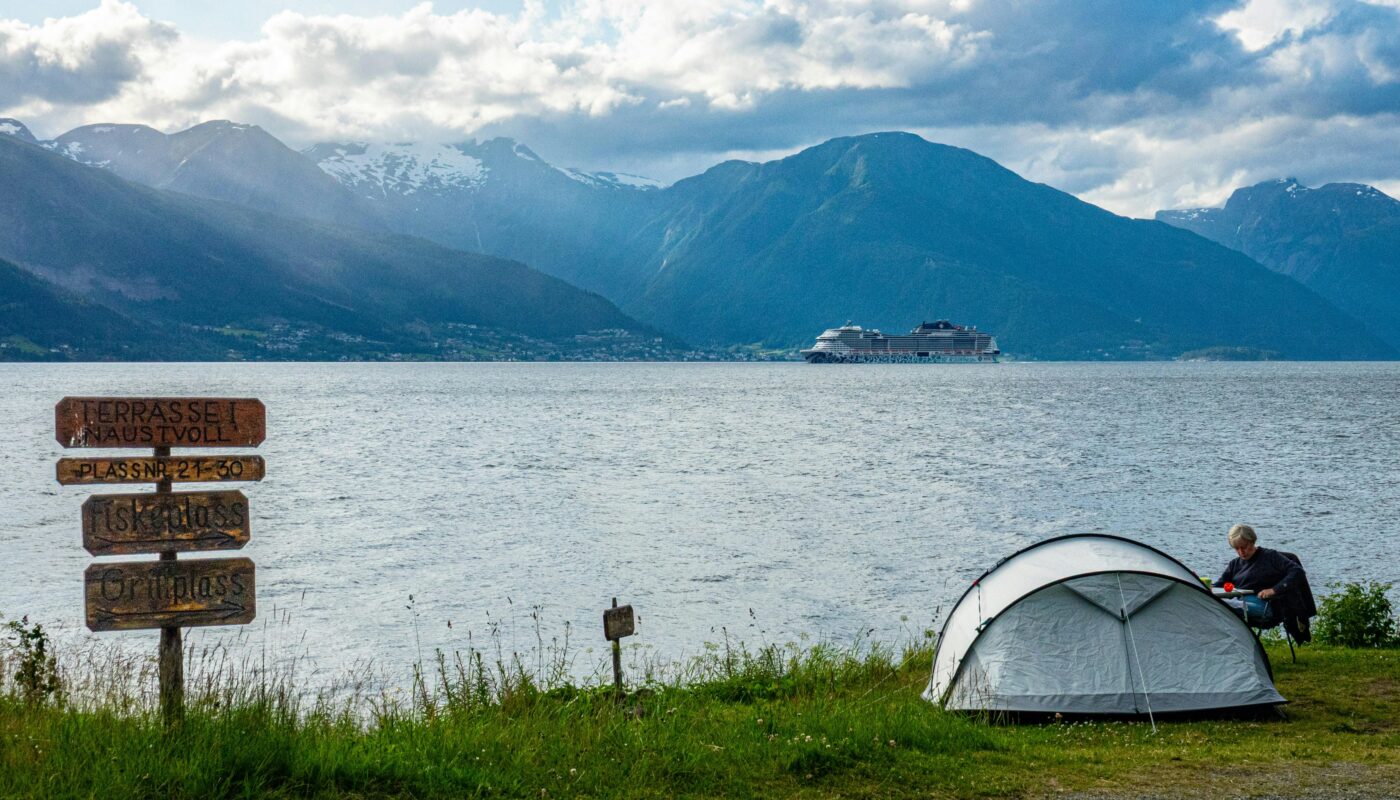
by Few travel experiences feel as freeing as camping beside a quiet fjord surrounded by mountains, waterfalls, and untouched wilderness. Across Scandinavia, travelers are increasingly drawn to the idea of sleeping under the midnight sun, waking beside calm water, and experiencing nature far away from crowded hotels or organized campsites. The dramatic landscapes of Norway, Sweden, Iceland, and other Nordic regions seem perfectly suited for wild camping adventures.
But an important question often arises before travelers pack their tents and head into the mountains:
Is wild camping actually legal in fjord regions?
The answer depends on the country, the exact location, and how responsibly travelers behave. In some Scandinavian countries, wild camping is deeply connected to traditional outdoor culture and protected by public access laws. In other places, restrictions are stricter due to environmental concerns, tourism pressure, private land ownership, or fragile ecosystems.
Understanding the legal rules and cultural expectations surrounding wild camping is extremely important. Fjord regions contain some of the world’s most environmentally sensitive landscapes. Irresponsible camping can damage vegetation, disturb wildlife, create pollution, and strain relationships between tourists and local communities.
This article explores the legality of wild camping in fjord regions, including country-specific rules, environmental responsibilities, cultural attitudes, safety considerations, and practical advice for travelers who want to camp responsibly in these extraordinary landscapes.
What Is Wild Camping?
Wild camping, sometimes called free camping or dispersed camping, generally means camping outside official campsites in natural environments.
This usually involves:
- Pitching a tent in remote nature areas
- Camping without formal facilities
- Staying outside commercial campgrounds
- Traveling independently through wilderness areas
Wild camping is especially popular in fjord regions because travelers want direct access to dramatic landscapes and remote natural scenery.
However, legality varies significantly between countries.
Norway: One of the Most Wild-Camping-Friendly Countries
Norway is internationally famous for its strong outdoor culture and relatively liberal camping laws.
The country’s approach is based on the traditional concept known as “allemannsretten,” often translated as “the right to roam.”
This principle allows public access to nature under certain conditions.
Is Wild Camping Legal in Norway?
Yes — in most cases, wild camping is legal in Norway when done responsibly.
Travelers are generally allowed to:
- Camp on uncultivated land
- Hike freely through nature
- Access remote outdoor areas
- Stay temporarily in rural environments
This right applies to many fjord regions as well.
However, the freedom comes with important responsibilities.
Norway’s Key Wild Camping Rules
Although Norway allows wild camping, travelers must follow strict guidelines.
The 150-Meter Rule
Campers must stay at least 150 meters away from:
- Houses
- Cabins
- Occupied buildings
This rule protects privacy and reduces conflicts with local residents.
Stay Limits
In most locations, campers may stay up to two nights in the same place without landowner permission.
Longer stays usually require approval.
Respect Nature
Travelers must avoid:
- Littering
- Damaging vegetation
- Excessive fires
- Disturbing wildlife
The Norwegian outdoor culture strongly emphasizes leaving nature exactly as it was found.
Why Norway Supports Wild Camping
Norway’s outdoor traditions are deeply connected to national identity.
Many Norwegians grow up with strong cultural values related to:
- Hiking
- Skiing
- Mountain travel
- Nature respect
- Outdoor recreation
Wild camping is viewed not only as tourism but also as part of Scandinavian outdoor heritage.
This cultural attitude explains why public access rights remain widely supported.
However, increasing tourism has created growing concerns in some fjord regions.
Overtourism Is Changing Attitudes
In recent years, famous Norwegian fjord destinations have experienced major increases in tourism.
Popular areas such as:
- Geirangerfjord
- Lofoten Islands
- Trolltunga region
- Preikestolen area
have faced problems related to overcrowding and irresponsible camping.
Local communities have reported issues including:
- Human waste
- Illegal fires
- Traffic congestion
- Environmental damage
- Campers blocking roads
As a result, some municipalities have introduced local restrictions or stronger enforcement.
This means travelers should never assume that all fjord areas operate under identical rules.
Sweden and Finland Also Allow Wild Camping
Sweden and Finland have similar public access traditions known as “Everyman’s Right.”
Like Norway, these countries generally allow responsible wild camping in natural areas.
Travelers may usually:
- Camp temporarily in uncultivated land
- Hike freely through forests and countryside
- Enjoy public access to nature
However, the same responsibilities apply:
- Respect private property
- Avoid damaging nature
- Keep distance from homes
- Leave no trace
Although Sweden and Finland contain fewer dramatic fjords than Norway, their wilderness camping culture is similarly strong.
Iceland: More Restrictive Than Many Travelers Expect
Many tourists assume Iceland allows unrestricted wild camping because of its vast landscapes and remote appearance.
In reality, Iceland has become significantly stricter due to environmental pressure and tourism growth.
Is Wild Camping Legal in Iceland?
Wild camping rules in Iceland are more limited than in Norway.
Camping with tents may still be permitted in certain uncultivated rural areas for small groups when no official campsite exists nearby. However, many popular tourist areas prohibit wild camping entirely.
Camper vans and motorhomes face even stricter rules and are generally required to use designated campsites.
Why Iceland Tightened Camping Rules
Iceland experienced an enormous tourism boom over the past decade.
Large numbers of travelers camping irresponsibly caused problems such as:
- Fragile moss damage
- Waste pollution
- Soil erosion
- Off-road driving damage
- Pressure on local infrastructure
Icelandic ecosystems are particularly vulnerable because vegetation grows slowly in harsh climates.
Even small environmental damage may take decades to recover.
As a result, Iceland increasingly encourages travelers to use organized campsites instead of unrestricted wild camping.
Scotland and the Fjord-Like Highlands
Although Scotland is not traditionally considered a fjord destination in the Scandinavian sense, its western Highlands contain sea lochs and landscapes strongly resembling fjord environments.
Scotland also permits broad public outdoor access through the Scottish Outdoor Access Code.
Wild Camping in Scotland
Wild camping is generally legal in most unenclosed land when done responsibly.
Campers must:
- Respect local communities
- Avoid overcrowded areas
- Leave no trace
- Avoid long stays in one location
Certain heavily visited areas now have camping restrictions during peak season due to overtourism and environmental pressure.
What About Camper Vans and RVs?
Many travelers exploring fjord regions use camper vans instead of tents.
However, camper van freedom is often more restricted than tent camping.
Common Restrictions Include:
- Overnight parking bans
- Roadside camping prohibitions
- Local parking regulations
- Protected nature zones
In many fjord regions, camper vans may only legally stay overnight in designated areas.
Travelers should carefully check local signage and regulations.
Environmental Responsibility Matters Most
Regardless of legality, responsible behavior is absolutely essential in fjord regions.
These landscapes are environmentally fragile and often difficult to restore after damage.
The future of wild camping access depends heavily on tourists behaving responsibly today.
Leave No Trace Principles
The most important principle for fjord camping is “Leave No Trace.”
This means travelers should leave nature exactly as they found it.
Essential Leave No Trace Practices
Pack Out All Waste
Never leave trash behind.
Avoid Damaging Vegetation
Do not flatten fragile plants or camp repeatedly in sensitive areas.
Use Existing Campsites When Possible
Avoid creating new visible camping scars.
Minimize Fire Impact
In many fjord areas, open fires may be restricted or dangerous during dry conditions.
Respect Wildlife
Do not disturb nesting birds, grazing animals, or wild ecosystems.
Fire Risks in Fjord Regions
Many travelers assume wet Nordic climates eliminate wildfire risk.
This is not always true.
During dry summer periods, fires can spread quickly through forests or grasslands.
Several Scandinavian countries impose seasonal fire restrictions.
Travelers should always check local regulations before lighting fires.
Portable camping stoves are often safer and more environmentally responsible.
Human Waste and Sanitation Problems
One of the biggest modern problems in popular fjord camping areas involves sanitation.
In heavily visited locations, improper waste disposal has become a serious environmental issue.
Responsible campers should:
- Use toilets whenever possible
- Follow proper wilderness sanitation guidelines
- Avoid contaminating water sources
Failure to manage waste responsibly damages ecosystems and creates conflict with local communities.
Weather and Safety Concerns
Wild camping in fjord regions is not only about legality. Safety is equally important.
Scandinavian mountain weather changes rapidly.
Campers may encounter:
- Heavy rain
- Strong wind
- Cold nighttime temperatures
- Fog
- Snow at high elevations
Even summer conditions can become challenging unexpectedly.
Choosing Safe Campsites
Safe campsite selection is essential.
Avoid camping:
- Too close to cliff edges
- In avalanche zones
- Near rising rivers
- On unstable ground
- Directly beneath rockfall areas
Weather forecasts should always be checked carefully before camping in mountain regions.
Respecting Local Communities
Increased tourism has created tension in some fjord communities where residents feel overwhelmed by irresponsible visitor behavior.
Travelers should remember that fjord regions are not empty wildernesses — they are often home to farming communities, fishing villages, and families.
Respectful behavior includes:
- Avoiding loud noise
- Not blocking roads or driveways
- Following local signage
- Respecting private land
Positive relationships between locals and travelers are essential for preserving outdoor access rights.
Organized Campsites Remain a Great Option
While wild camping can be rewarding, organized campsites offer important advantages.
Many fjord-region campsites provide:
- Bathrooms
- Showers
- Waste disposal
- Cooking areas
- Safe parking
- Scenic locations
Using campsites occasionally during longer trips can reduce environmental impact and improve comfort.
Why Fjord Wild Camping Appeals to Travelers
Despite increasing regulations, fjord wild camping remains deeply appealing because it offers experiences modern travelers rarely find elsewhere.
Campers may experience:
- Midnight sun reflections on water
- Silence broken only by waterfalls
- Remote mountain views
- Northern lights above tents
- Sunrise over untouched landscapes
For many people, these experiences create powerful emotional connections to nature.
The Future of Wild Camping in Fjord Regions
The future of wild camping in fjord regions will likely depend on balance.
Governments and local communities increasingly seek ways to:
- Protect fragile ecosystems
- Manage tourism growth
- Preserve outdoor traditions
- Reduce environmental damage
If travelers continue behaving responsibly, many countries will likely maintain relatively open access traditions.
However, irresponsible tourism may lead to stricter regulations in sensitive areas.
Final Thoughts
So, is wild camping legal in fjord regions?
In many Scandinavian countries — especially Norway, Sweden, and Finland — the answer is generally yes when camping is done responsibly and respectfully. Public access traditions remain an important part of Nordic outdoor culture.
However, legality depends on local laws, environmental sensitivity, land ownership, and responsible behavior. Countries such as Iceland have already introduced stricter rules due to environmental pressure and overtourism.
Ultimately, wild camping in fjord regions is not simply about freedom. It is about responsibility.
Travelers who respect nature, protect fragile ecosystems, follow local regulations, and leave no trace help preserve these extraordinary landscapes for future generations.
When approached thoughtfully, wild camping beside a fjord can become one of the most unforgettable experiences in outdoor travel — a rare opportunity to experience silence, wilderness, and natural beauty in one of the world’s most dramatic environments.