 by
by Norway’s fjords are among the most breathtaking natural landscapes in the world. Deep blue waterways cut through towering mountains, waterfalls plunge from dramatic cliffs, charming villages sit quietly beside the water, and winding scenic roads reveal unforgettable panoramas at every turn. For many travelers, visiting the Norwegian fjords is not simply a vacation — it is a journey into one of Earth’s most extraordinary natural environments.
Planning a fjord trip, however, can feel overwhelming. Norway’s western coastline stretches across enormous distances, ferry schedules vary, mountain weather changes quickly, and there are countless scenic routes competing for attention. Travelers often struggle to decide how much time to spend in each area and how to balance famous attractions with quieter experiences.
A well-designed ten-day itinerary offers an ideal balance. It allows enough time to experience multiple fjord regions without rushing constantly between destinations. Travelers can combine scenic train rides, ferry journeys, mountain drives, hiking opportunities, charming towns, and peaceful moments in nature while still maintaining a comfortable pace.
This itinerary focuses on some of Norway’s most iconic fjord landscapes while also leaving space for flexibility and slower travel. It combines famous highlights with immersive experiences that help travelers appreciate the atmosphere, culture, and natural beauty of western Norway.
Why Ten Days Is Ideal for the Norwegian Fjords
Norway’s geography makes travel slower than many visitors expect.
Although distances on maps may appear short, fjord travel often involves:
- Mountain roads
- Ferry crossings
- Narrow scenic routes
- Weather-related delays
- Frequent photo stops
A ten-day itinerary provides enough time to:
- Explore multiple fjords
- Avoid exhausting travel days
- Experience scenic transportation
- Include outdoor activities
- Adjust for weather changes
Shorter trips often feel rushed, while longer trips may require a larger budget due to Norway’s relatively high travel costs.
Best Time to Visit the Norwegian Fjords
The most popular time to visit is between late May and early September.
During summer, travelers benefit from:
- Long daylight hours
- Open mountain roads
- Frequent ferries
- Mild weather
- Better hiking conditions
July and August are busiest, while June and September often provide a quieter experience with fewer crowds.
Winter fjord travel is possible but creates a very different experience involving snow, shorter days, and occasional road closures.
Day 1: Arrive in Bergen
Most fjord itineraries begin in Bergen, often called the gateway to the fjords.
Surrounded by mountains and sea, Bergen combines urban culture with easy access to nature.
What to Do in Bergen
Spend the first day adjusting to Norway’s slower pace while exploring:
- Bryggen Wharf
- Fish markets
- Historic wooden buildings
- Waterfront cafés
- Scenic harbor areas
Take the Fløibanen funicular for panoramic views over the city and surrounding fjords.
Why Bergen Is Important
Bergen offers an ideal introduction to Norwegian coastal culture before travelers move deeper into fjord landscapes.
The city also provides opportunities to:
- Purchase outdoor supplies
- Adjust to local transportation systems
- Recover from long flights
Spend the night in Bergen before beginning the fjord journey.
Day 2: Norway in a Nutshell Route to Flåm
One of Norway’s most famous travel experiences is the “Norway in a Nutshell” route connecting Bergen with the fjord village of Flåm.
This journey combines:
- Scenic trains
- Mountain landscapes
- Fjord ferries
- Steep railway routes
The Flåm Railway
The Flåm Railway is considered one of the world’s most beautiful train journeys.
Travelers descend through:
- Waterfalls
- Mountain valleys
- Forest landscapes
- Dramatic elevation changes
The journey itself becomes one of the highlights of the itinerary.
Evening in Flåm
Flåm is small, peaceful, and surrounded by extraordinary scenery.
Spend the evening walking along the fjord and enjoying the slower atmosphere.
Day 3: Explore Aurlandsfjord and Nærøyfjord
This day focuses on some of Norway’s most famous fjord scenery.
Fjord Cruise Experience
Take a fjord cruise through:
- Aurlandsfjord
- Nærøyfjord
Nærøyfjord is especially famous for its narrow shape and steep mountain walls.
The landscape includes:
- Waterfalls
- Tiny farms clinging to cliffs
- Snow-covered peaks
- Quiet villages
The silence and scale of the fjords leave a lasting impression on many travelers.
Optional Activities
Depending on energy levels and weather, visitors may also:
- Kayak on the fjord
- Visit the Stegastein viewpoint
- Hike nearby trails
- Explore local villages
Spend one more night in the Aurland or Flåm region.
Day 4: Drive to Geirangerfjord
Begin the scenic drive north toward Geirangerfjord, one of Norway’s most iconic fjord destinations.
This is a longer travel day but filled with extraordinary scenery.
Scenic Highlights Along the Way
Possible stops include:
- Mountain viewpoints
- Waterfalls
- Small villages
- Ferry crossings
- Glacier viewpoints
Norwegian road trips are less about speed and more about experiencing landscapes gradually.
Arrival in Geiranger
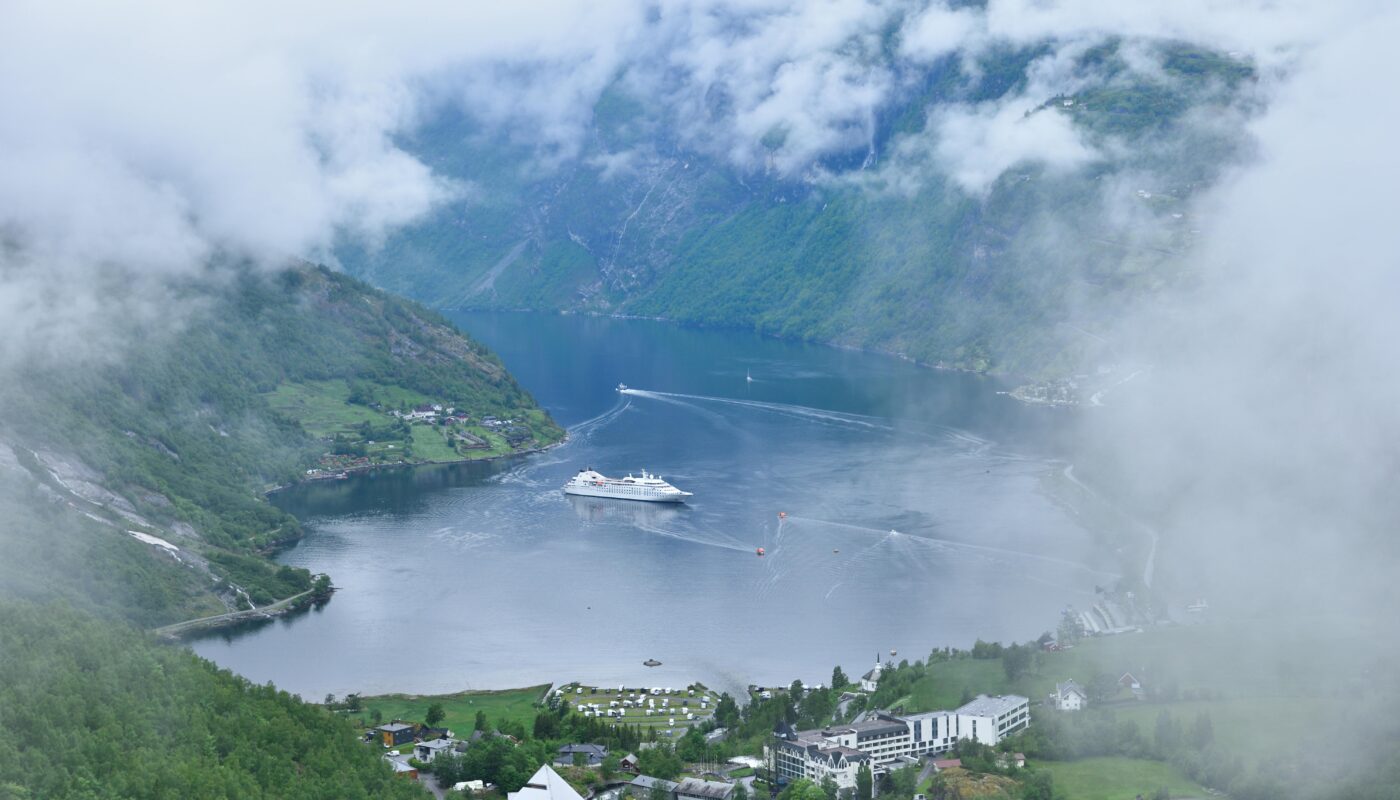
Geirangerfjord is famous for:
- Steep cliffs
- Waterfalls
- Deep blue water
- Cruise ship scenery
Evening light in Geiranger can be especially beautiful during summer months.
Day 5: Discover Geirangerfjord
Spend a full day exploring Geirangerfjord and its surroundings.
Famous Waterfalls
The fjord is known for waterfalls such as:
- Seven Sisters
- Suitor
- Bridal Veil
These waterfalls cascade dramatically down mountain walls into the fjord below.
Best Activities
Popular experiences include:
- Fjord kayaking
- Boat tours
- Scenic viewpoints
- Hiking trails
- Electric fjord cruises
Dalsnibba Viewpoint
Weather permitting, visit Dalsnibba for sweeping views over the fjord and surrounding mountains.
This is one of Norway’s most famous panoramic viewpoints.
Day 6: Scenic Roads and Ålesund
Leave Geiranger and continue toward the coastal town of Ålesund.
Trollstigen Mountain Road
If open during the season, drive the famous Trollstigen road.
This spectacular route features:
- Hairpin bends
- Waterfalls
- Mountain scenery
- Dramatic viewpoints
Driving slowly is essential because roads can be narrow and busy during summer.
Evening in Ålesund
Ålesund is known for its beautiful Art Nouveau architecture and coastal atmosphere.
Spend the evening exploring:
- Harbor areas
- Local seafood restaurants
- Hilltop viewpoints
The town provides a pleasant contrast to the remote fjord landscapes.
Day 7: Travel Toward the Sognefjord Region
Begin traveling south again toward the Sognefjord region, Norway’s longest and deepest fjord.
This day allows travelers to appreciate the transition between coastlines, valleys, mountains, and fjords.
Optional Glacier Stop
Depending on route choice, travelers may visit glacier areas such as:
- Jostedalsbreen National Park
- Briksdal Glacier
Seeing glacier landscapes adds another dimension to the fjord experience.
Overnight Near Sognefjord
Choose a smaller village or fjord-side accommodation for a quieter evening experience.
Staying in rural fjord areas often becomes one of the most memorable parts of the trip.
Day 8: Hiking and Relaxation in Sognefjord
After several travel-heavy days, spend time slowing down around the Sognefjord area.
Suggested Activities
Travelers may choose from:
- Easy fjord walks
- Mountain hikes
- Boat excursions
- Fjord swimming
- Local farm visits
This day is intentionally flexible because weather conditions may influence outdoor activities.
Why Slower Days Matter
Many visitors underestimate how mentally stimulating fjord travel can be.
Taking time to relax allows travelers to better appreciate Norway’s atmosphere rather than constantly rushing between viewpoints.
Day 9: Return Toward Bergen
Begin the scenic return journey toward Bergen.
Instead of treating this as simply a transportation day, use it as an opportunity to revisit favorite landscapes and enjoy Norway’s slower rhythm.
Scenic Stops
Possible stops include:
- Waterfalls
- Mountain cafés
- Fjord viewpoints
- Local bakeries
- Ferry crossings
The return journey often feels emotionally different because travelers now understand the landscape more deeply.
Final Evening in Bergen
Spend the final evening enjoying Bergen’s waterfront atmosphere and reflecting on the journey.
Day 10: Departure or Optional Extra Exploration
Depending on flight schedules, travelers may spend the morning:
- Visiting museums
- Walking through Bryggen again
- Riding the funicular
- Shopping for local souvenirs
- Enjoying a relaxed café breakfast
Then depart from Bergen or continue onward to other Norwegian destinations.
Transportation Options for Fjord Travel
Rental Car
A car offers maximum flexibility and access to remote viewpoints.
Advantages include:
- Freedom to stop anywhere
- Flexible scheduling
- Easier rural access
However, travelers should prepare for:
- Narrow roads
- Ferry logistics
- Expensive fuel and tolls
- Mountain driving conditions
Public Transportation
Norway’s trains, ferries, and buses are reliable and scenic.
This option works especially well for travelers wanting a slower, less stressful experience.
Accommodation Tips
Norway offers a wide range of accommodation types:
- Fjord hotels
- Family guesthouses
- Cabins
- Boutique lodges
- Camping sites
Booking early is strongly recommended during summer.
Fjord-view accommodations often sell out months in advance.
Budget Considerations
Norway is one of Europe’s more expensive destinations.
Travelers should budget carefully for:
- Accommodation
- Food
- Fuel
- Ferry tickets
- Activities
Ways to save money include:
- Grocery shopping
- Cabin stays
- Public transportation passes
- Traveling in shoulder season
What to Pack
Fjord weather changes rapidly.
Essential items include:
- Waterproof jacket
- Layered clothing
- Comfortable walking shoes
- Warm outerwear
- Reusable water bottle
- Camera equipment
Even summer evenings may feel cool near water and mountains.
Responsible Fjord Travel
Norway’s landscapes are environmentally fragile.
Travelers should:
- Stay on marked trails
- Respect local communities
- Avoid littering
- Follow camping regulations
- Support sustainable tourism businesses
Preserving fjord environments is essential for future generations.
Why the Norwegian Fjords Feel So Special
Many travelers struggle to explain why Norway’s fjords feel different from other scenic destinations.
Part of the magic comes from contrast.
The fjords combine:
- Water and mountains
- Isolation and accessibility
- Silence and power
- Simplicity and grandeur
The landscapes often feel ancient, calm, and emotionally overwhelming in ways photographs cannot fully capture.
Final Thoughts
A ten-day journey through the Norwegian fjords offers far more than sightseeing. It provides an opportunity to slow down, reconnect with nature, and experience some of the world’s most dramatic landscapes at a meaningful pace.
From Bergen’s colorful waterfront to the narrow beauty of Nærøyfjord, from Geiranger’s waterfalls to mountain roads twisting through the clouds, every part of the journey reveals a different side of Norway’s natural beauty.
The perfect fjord itinerary balances iconic attractions with flexibility, scenic travel with quiet moments, and adventure with relaxation. Travelers who approach Norway slowly and thoughtfully often leave with memories that remain vivid long after the journey ends.
In the end, the Norwegian fjords are not simply a destination. They are an experience of scale, silence, and natural beauty unlike anywhere else in the world.