 by
by Few natural landscapes inspire travelers quite like the fjords. Towering cliffs, glacier-carved valleys, waterfalls plunging into deep blue water, and peaceful villages surrounded by mountains create scenes that seem almost unreal. Countries such as Norway, New Zealand, Iceland, and parts of Canada have built strong tourism identities around their spectacular fjord landscapes, attracting millions of visitors every year.
In recent decades, social media, cruise tourism, and global travel accessibility have transformed many fjord regions into international tourism hotspots. Famous destinations like Geirangerfjord and Nærøyfjord in Norway or Milford Sound in New Zealand now appear regularly in travel campaigns, Instagram feeds, documentaries, and bucket-list itineraries.
While tourism has brought economic opportunities to local communities, it has also sparked growing concern about overtourism. Crowded viewpoints, environmental strain, traffic congestion, pollution, rising housing costs, and pressure on local infrastructure are becoming increasingly visible in some of the world’s most famous fjord destinations.
This raises an important question: Is overtourism in famous fjords truly a serious problem, or is it simply the unavoidable reality of popular travel destinations?
The answer is complex. Overtourism is not only about visitor numbers. It is about how tourism affects local communities, fragile ecosystems, infrastructure, and the overall experience of both residents and travelers. In many fjord regions, the challenge lies in balancing economic benefits with environmental protection and long-term sustainability.
What Is Overtourism?
Overtourism occurs when a destination receives more visitors than it can comfortably manage without damaging the environment, reducing local quality of life, or harming the visitor experience itself.
It is not necessarily defined by tourism alone but by imbalance.
A location may become overcrowded when:
- Infrastructure cannot handle visitor demand
- Natural ecosystems become stressed
- Residents feel displaced or overwhelmed
- Traffic and pollution increase significantly
- Tourists struggle to enjoy the destination peacefully
- Housing prices rise because of tourism demand
- Cultural authenticity begins to decline
In fjord regions, overtourism is especially sensitive because these landscapes are often environmentally fragile and geographically limited. Narrow valleys, small villages, and remote infrastructure make it difficult to absorb massive numbers of visitors without noticeable impact.
Why Fjords Have Become Global Tourism Magnets
Fjords have always attracted nature lovers, but several modern trends have accelerated tourism dramatically.
Social Media Exposure
Platforms such as Instagram, TikTok, and YouTube have turned scenic viewpoints into global icons. A single viral image of a cliffside viewpoint or dramatic fjord reflection can inspire millions of travelers.
Many tourists now visit specific fjord locations primarily because they have seen them online.
Cruise Tourism Growth
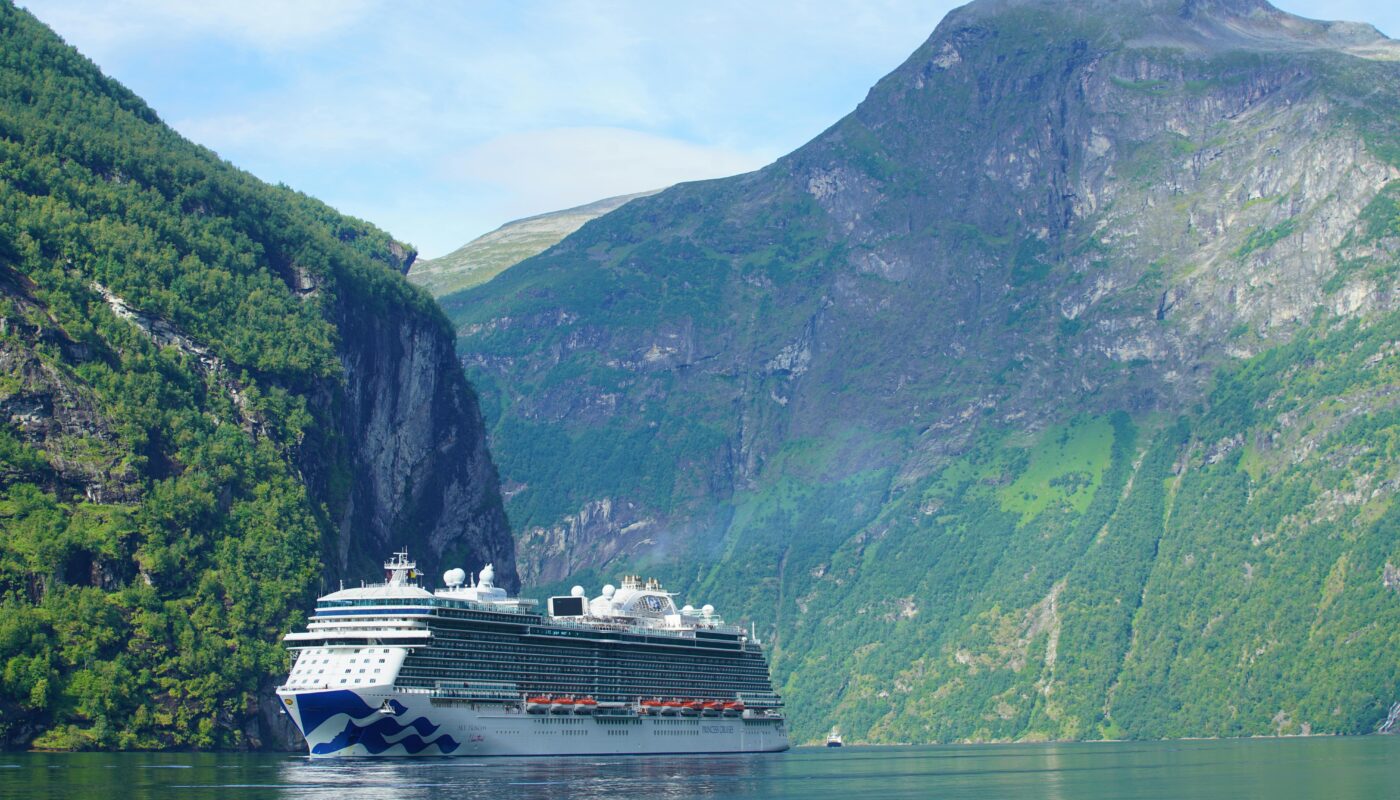
Cruise ships have significantly increased access to remote fjord destinations. Large vessels can bring thousands of passengers into small fjord villages within a single day.
While this boosts tourism revenue, it can temporarily overwhelm local communities and infrastructure.
Improved Transportation
Modern roads, tunnels, ferries, and airports have made previously isolated fjord regions far easier to reach.
Nature-Based Travel Trends
As travelers increasingly seek outdoor experiences and scenic landscapes, fjords have become ideal destinations for hiking, photography, kayaking, and eco-tourism.
Norway: A Leading Example of Fjord Tourism Pressure
Norway is often at the center of discussions about fjord overtourism because its western fjords attract massive international attention.
Famous sites such as:
- Geirangerfjord
- Nærøyfjord
- Preikestolen
- Trolltunga
- Flåm
- Lofoten Islands
now receive enormous visitor numbers during peak summer months.
Some small fjord villages experience visitor populations that vastly exceed the number of local residents on busy days.
For example, cruise arrivals in villages like Geiranger can dramatically increase congestion within only a few hours. Roads become crowded, parking areas fill quickly, and quiet mountain communities suddenly experience intense tourism pressure.
Environmental Consequences of Overtourism
One of the biggest concerns surrounding fjord tourism is environmental impact.
Fjord ecosystems are highly sensitive. Excessive tourism can damage landscapes that took thousands of years to form.
Air Pollution From Cruise Ships
Cruise tourism has become one of the most controversial issues in famous fjords.
Large ships release emissions that contribute to:
- Air pollution
- Water pollution
- Greenhouse gas emissions
In narrow fjords surrounded by steep mountains, pollution can become trapped within valleys, affecting air quality in nearby villages.
Some Norwegian fjords have already introduced stricter environmental regulations for cruise ships in response to these concerns.
Trail Erosion
Popular hiking routes leading to iconic viewpoints often suffer from heavy foot traffic.
Trails to places like Preikestolen and Trolltunga have encountered:
- Soil erosion
- Vegetation damage
- Waste management challenges
- Increased maintenance costs
Fragile Alpine vegetation may take years or decades to recover from repeated damage.
Wildlife Disturbance
Boat traffic, noise, and overcrowding can disturb local wildlife, including seabirds, marine mammals, and fish populations.
Kayaking and wildlife tourism, while often lower-impact than cruise tourism, can still create stress for animals if poorly managed.
Pressure on Local Communities
Overtourism affects not only nature but also the people living in fjord regions.
Many small fjord villages were never designed to host millions of tourists annually.
Traffic Congestion
Narrow mountain roads often become heavily congested during peak season. Residents may struggle with:
- Parking shortages
- Traffic delays
- Increased accident risk
- Noise pollution
Rising Housing Costs
In some tourism-heavy areas, short-term vacation rentals reduce housing availability for local residents. Younger generations may find it increasingly difficult to afford homes in their own communities.
Seasonal Economic Dependence
Tourism creates jobs, but excessive dependence on seasonal tourism can make local economies vulnerable.
Communities may become economically unstable during:
- Off-season months
- Global crises
- Travel restrictions
- Economic downturns
Cultural Changes
Some residents worry that villages gradually lose authenticity when tourism dominates local life.
Traditional lifestyles, local businesses, and community identity may shift to meet tourist expectations rather than local needs.
The visitor experience also suffers.
Overtourism, however, might diminish the very experience that tourists are looking for.
Many tourists visit fjords hoping to experience the following:
- Peacefulness
- Wilderness
- Solitude
- Connection with nature
Instead, they may encounter:
- Long lines
- Crowded viewpoints
- Busy parking lots
- Tour bus traffic
- Overbooked accommodations
A location that once felt remote and magical may begin feeling commercialized and overcrowded.
This is particularly noticeable at highly photographed Instagram hotspots where travelers often queue for identical photos.
Is Tourism Always Harmful?
Despite these concerns, tourism itself is not inherently negative.
In many fjord regions, tourism provides critical economic support.
Benefits include:
- Employment opportunities
- Business growth
- Infrastructure investment
- Preservation of local services
- Support for restaurants, hotels, and transportation
Some remote villages might struggle economically without tourism income.
The challenge is not whether tourism should exist, but how it can be managed sustainably.
Sustainable Tourism Solutions
Many fjord destinations are now actively searching for ways to reduce overtourism while maintaining economic benefits.
Visitor Limits
Some regions are considering or implementing limits on visitor numbers during peak periods.
Cruise Ship Regulations
Norway has announced stricter emissions requirements for cruise ships entering certain fjords.
Future policies may favor:
- Smaller vessels
- Cleaner technologies
- Reduced ship traffic
Promoting Off-Season Travel
Encouraging tourism outside summer months helps distribute visitor numbers more evenly throughout the year.
Autumn, winter, and spring often offer quieter experiences while reducing pressure during peak season.
Encouraging Alternative Destinations
Tourism boards increasingly promote lesser-known fjords and villages to reduce overcrowding at famous hotspots.
Travelers willing to explore beyond the most famous names often discover equally stunning scenery with far fewer crowds.
Improved Infrastructure
Trail maintenance, shuttle systems, public transportation, and waste management improvements can help reduce environmental stress.
The Role of Social Media in Overtourism
Social media has transformed travel behavior significantly.
Many destinations now experience sudden tourism surges after viral posts or influencer exposure.
This creates several problems:
- Concentration of visitors in specific locations
- Repetitive “photo tourism”
- Increased environmental pressure
- Unrealistic expectations
Travelers sometimes prioritize recreating famous photos rather than genuinely experiencing a place.
However, social media can also support sustainable tourism when used responsibly. Content creators can encourage:
- Respectful behavior
- Off-season travel
- Lesser-known destinations
- Environmental awareness
The issue lies not with photography itself but with unmanaged mass exposure.
Milford Sound: Another Example of Tourism Pressure
New Zealand’s Milford Sound demonstrates that overtourism concerns extend beyond Norway.
Before global travel disruptions in 2020, Milford Sound received extremely high visitor numbers despite its remote location.
Concerns included:
- Traffic congestion
- Aircraft noise from scenic flights
- Environmental stress
- Pressure on infrastructure
Many visitors arrived simultaneously through buses, cruises, and flights, creating crowded experiences in a landscape famous for its tranquility.
New Zealand authorities have increasingly focused on sustainable tourism planning to protect the region long-term.
Can Overtourism Be Reversed?
Some destinations are beginning to show that careful management can improve conditions.
Strategies that may help include:
- Reservation systems
- Visitor caps
- Sustainable transportation
- Environmental taxes
- Education campaigns
- Infrastructure investment
Travelers themselves also play an important role.
Responsible visitors can help by:
- Traveling during quieter seasons
- Respecting local communities
- Staying longer instead of rushing through
- Supporting local businesses
- Exploring lesser-known areas
- Minimizing environmental impact
Sustainable tourism requires cooperation between governments, businesses, residents, and travelers.
Why Fjords Are Especially Vulnerable
Fjord environments face unique challenges because of their geography.
Unlike wide-open destinations, fjords often have:
- Narrow valleys
- Limited roads
- Small villages
- Fragile ecosystems
- Steep terrain
These physical limitations make large-scale tourism harder to manage.
Additionally, climate change is already affecting many fjord regions through:
- Glacier retreat
- Rising temperatures
- Changing ecosystems
- Increased natural hazards
Environmental pressure from tourism adds another layer of stress to already vulnerable landscapes.
Finding a Better Balance
The future of fjord tourism likely depends on balance rather than unrestricted growth.
Many travelers today increasingly value:
- Authenticity
- Sustainability
- Slower travel
- Meaningful experiences
- Environmental responsibility
This shift may encourage healthier tourism models that focus on quality rather than sheer visitor numbers.
Some experts argue that fjord regions should prioritize:
- Longer stays
- Smaller groups
- Eco-tourism
- Community-focused travel
- Lower-impact transportation
Such approaches could benefit both visitors and local communities.
Final Thoughts
Overtourism in famous fjords is indeed a real and growing challenge. In some regions, the combination of cruise tourism, social media exposure, and rapidly increasing visitor numbers has placed visible strain on fragile ecosystems and small communities.
Crowded viewpoints, environmental degradation, traffic congestion, and cultural pressure are genuine concerns that cannot be ignored.
At the same time, tourism also provides economic opportunities and supports livelihoods in remote fjord regions. The goal should not be eliminating tourism but managing it more responsibly.
The world’s fjords are among the planet’s most extraordinary natural landscapes. Protecting them requires thoughtful planning, sustainable tourism practices, and travelers willing to explore more consciously.
Ultimately, the future of famous fjords depends on finding a balance where visitors can continue experiencing these remarkable places without destroying the qualities that made them special in the first place.