 by
by A fjord trip is unlike almost any other travel experience. Towering cliffs rise dramatically from calm water, waterfalls pour down steep mountain walls, and small villages sit peacefully beside some of the most spectacular natural scenery on Earth. Whether exploring the fjords of Norway, New Zealand, Iceland, Greenland, or Canada, travelers often describe their first fjord journey as unforgettable.
At the same time, planning a fjord trip can feel overwhelming for first-time visitors. Fjord regions are often remote, weather conditions can change quickly, transportation may involve ferries and mountain roads, and choosing between countless scenic locations can become difficult.
Unlike traditional city vacations, fjord travel usually requires more thoughtful preparation. Travelers need to consider timing, transportation, weather, activities, accommodation styles, and how much time to spend moving between destinations.
The good news is that planning a successful fjord adventure becomes much easier when approached step by step. With the right preparation, even first-time travelers can experience the beauty of fjord landscapes comfortably and confidently.
This guide explains how to plan your first fjord trip from beginning to end, helping you avoid common mistakes while making the most of one of the world’s most extraordinary travel experiences.
Step 1: Decide Which Fjord Destination Fits Your Travel Style
The first step is choosing which fjord region best matches your interests, budget, and travel goals.
Different fjord destinations offer very different experiences.
Norway
Norway is the world’s most famous fjord destination and offers dramatic mountain scenery, deep blue waterways, waterfalls, hiking trails, and charming villages. It is ideal for:
- Scenic road trips
- Hiking
- Photography
- Cruises
- Outdoor adventure
Popular areas include:
- Geirangerfjord
- Nærøyfjord
- Hardangerfjord
- Lysefjord
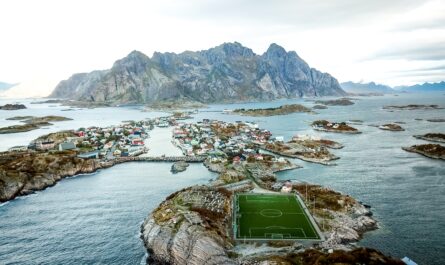
- Lofoten Islands
New Zealand
New Zealand’s fjords, especially around Fiordland National Park, combine rainforest, waterfalls, and rugged wilderness.
This region is perfect for:
- Nature lovers
- Wildlife enthusiasts
- Boat tours
- Hiking and trekking
Milford Sound and Doubtful Sound are the best-known highlights.
Iceland
Iceland’s fjords are often quieter and more remote, particularly in the Westfjords and Eastfjords.
Travelers who enjoy:
- Isolation
- Dramatic coastlines
- Small fishing villages
- Arctic scenery
often love Icelandic fjords.
Greenland and Canada
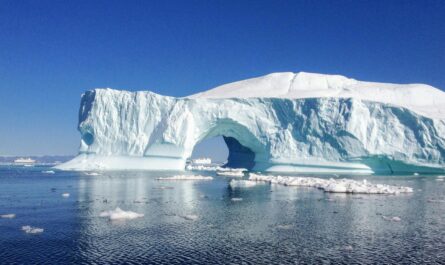
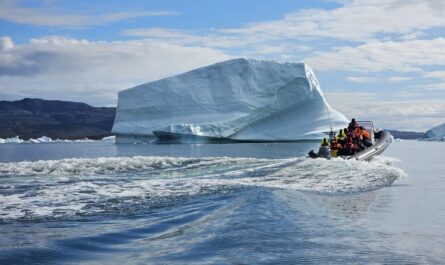
These destinations offer more remote Arctic fjord experiences with icebergs, glaciers, and wilderness exploration.
They are ideal for adventurous travelers seeking less crowded experiences.
Choosing the right destination early helps shape the rest of your planning process.
Step 2: Choose the Best Time to Visit
Timing significantly affects your fjord experience.
Each season offers different scenery, weather conditions, activities, and crowd levels.
Summer (June to August)
Summer is the most popular season for fjord travel because of:
- Long daylight hours
- Mild temperatures
- Open hiking trails
- Active ferry routes
- Easier transportation
However, summer also brings:
- Higher prices
- Larger crowds
- Busy tourist hotspots
Spring (April to May)
Spring offers:
- Waterfalls at full power from snowmelt
- Fewer tourists
- Fresh green landscapes
- Cooler temperatures
Some higher mountain roads may still remain closed early in the season.
Autumn (September to October)
Autumn is often considered one of the best times for fjord travel because it combines:
- Fewer crowds
- Colorful foliage
- Comfortable temperatures
- More peaceful villages
Photography conditions are especially beautiful during autumn.
Winter (November to March)
Winter fjord travel provides:
- Snow-covered scenery
- Northern Lights opportunities
- Quiet landscapes
- Cozy village atmospheres
However, winter also involves:
- Short daylight hours
- Snowy roads
- Reduced transportation services
- More unpredictable weather
Your ideal season depends on the type of experience you want.
Step 3: Decide How Long Your Trip Should Be
One common mistake first-time travelers make is trying to visit too many fjords too quickly.
Fjord travel often involves winding mountain roads, ferry crossings, weather delays, and scenic stops that naturally slow travel pace.
A rushed itinerary can quickly become exhausting.
Recommended Trip Lengths
3–5 Days
Suitable for visiting one major fjord region comfortably.
7–10 Days
Ideal for combining multiple fjords with road trips, hiking, and village stays.
2 Weeks or More
Allows deeper exploration and slower travel across several regions.
Instead of focusing on quantity, prioritize spending enough time to enjoy each destination properly.
Step 4: Choose Your Transportation Style
Transportation is one of the most important decisions when planning a fjord trip.
Road Trips
Driving is often the most flexible and rewarding option because it allows travelers to:
- Stop at viewpoints
- Explore small villages
- Take scenic detours
- Travel at their own pace
Norway, Iceland, and New Zealand all offer excellent scenic driving routes.
However, mountain roads may include:
- Narrow sections
- tunnels
- ferries
- changing weather conditions
Comfortable driving confidence is important.
Cruises
Cruises provide relaxing access to dramatic fjord scenery without extensive planning.
They are ideal for:
- First-time visitors
- Older travelers
- Travelers seeking convenience
However, cruises may offer less flexibility and shorter stops at destinations.
Public Transportation
Some fjord regions offer efficient combinations of:
- Trains
- Ferries
- Buses
- Scenic railways
Norway’s transportation system, for example, makes many fjords accessible without a car.
Guided Tours
Organized tours simplify logistics and are useful for travelers who prefer structured itineraries.
The best transportation style depends on your comfort level and travel priorities.
Step 5: Plan Your Accommodation Carefully
Accommodation greatly shapes the atmosphere of a fjord trip.
Popular options include:
Fjord Hotels
Many fjord-side hotels offer extraordinary views directly over the water.
Cabins and Cottages
Cabins provide peaceful, immersive nature experiences and are especially popular in Scandinavia.
Guesthouses
Family-run guesthouses often create more personal cultural experiences.
Farm Stays
Some regions offer stays on working farms surrounded by mountain scenery.
Camping
Camping is popular among outdoor travelers and can significantly reduce costs.
When booking accommodation:
- Reserve early during summer
- Check driving distances carefully
- Prioritize location over luxury when possible
Staying directly beside fjords often creates the most memorable experiences.
Step 6: Research Weather and Clothing Needs
Fjord weather changes rapidly.
Even during summer, conditions may shift from sunshine to rain, wind, or fog within hours.
Layered clothing is essential.
Important Items to Pack
- Waterproof jacket
- Warm mid-layers
- Comfortable hiking shoes
- Wind-resistant clothing
- Gloves and hats for colder seasons
- Quick-drying clothes
- Backpack for day trips
Weather unpredictability is part of fjord travel, so flexibility matters.
Rather than expecting perfect sunshine every day, embrace changing conditions as part of the experience.
Fog, rain, and clouds often make fjord landscapes even more dramatic.
Step 7: Decide Which Activities Matter Most
Fjord regions offer far more than sightseeing alone.
Planning activities in advance helps create a balanced itinerary.
Popular Fjord Activities
Hiking
Many fjords feature world-famous hiking trails with panoramic views.
Kayaking
Kayaking allows travelers to experience fjords quietly and closely from water level.
Boat Tours
Boat excursions provide access to waterfalls, cliffs, glaciers, and wildlife.
Photography
Fjord landscapes are ideal for landscape photography throughout the year.
Wildlife Watching
Depending on location, visitors may see:
- Eagles
- Seals
- Whales
- Puffins
- Dolphins
Scenic Railways and Drives
Routes through fjord regions often become highlights themselves.
Avoid overpacking your itinerary. Leave time for spontaneous exploration and quiet moments.
Step 8: Understand Fjord Geography and Distances
One major planning mistake is underestimating travel times.
On maps, fjord destinations may appear close together. In reality:
- Roads curve around mountains
- Ferry schedules affect timing
- Weather slows driving
- Scenic stops add extra hours
A short-distance drive can easily become a full-day journey.
Always build flexibility into your schedule.
Step 9: Budget Realistically
Fjord travel can become expensive depending on destination and travel style.
Costs may include:
- Accommodation
- Ferries
- Fuel
- Parking
- Activities
- Food
- Guided tours
Norway and Iceland are especially known for high travel costs.
Ways to Save Money
- Travel outside peak season
- Book early
- Use cabins or campsites
- Cook some meals yourself
- Limit unnecessary internal flights
- Use public transportation where efficient
Balancing comfort and budget helps reduce travel stress.
Step 10: Learn Basic Local Etiquette
Respecting local customs improves the travel experience significantly.
In many fjord regions:
- Nature is deeply respected
- Quietness is appreciated
- Littering is unacceptable
- Outdoor etiquette matters
Travelers should:
- Stay on marked trails
- Respect wildlife
- Follow environmental guidelines
- Avoid disturbing peaceful areas
Supporting local businesses and communities also contributes positively to sustainable tourism.
Step 11: Prepare for Limited Connectivity
Some fjord regions have limited mobile coverage or internet access.
This is especially common in:
- Remote valleys
- Mountain areas
- Arctic regions
Downloading maps offline and preparing important travel information in advance is wise.
Limited connectivity can actually become one of the most refreshing parts of fjord travel, encouraging greater connection with nature.
Step 12: Leave Space for Flexibility
One of the best parts of fjord travel is spontaneity.
Unexpected moments often become the highlights:
- A hidden waterfall
- A quiet village café
- Sudden sunlight through clouds
- Wildlife sightings
- An empty scenic viewpoint
Trying to schedule every hour may reduce the magic of the experience.
Fjord travel rewards slower exploration and openness to changing conditions.
Common Mistakes First-Time Fjord Travelers Make
Trying to See Too Much
Rushing between destinations reduces enjoyment.
Ignoring Weather Forecasts
Mountain weather changes quickly and affects safety.
Underestimating Driving Times
Scenic roads naturally slow travel pace.
Overpacking Activities
Too many scheduled excursions create exhaustion.
Only Visiting Famous Hotspots
Lesser-known fjords often provide equally beautiful experiences with fewer crowds.
Why Fjord Travel Feels So Different
Many travelers describe fjord trips as emotionally different from ordinary vacations.
The landscapes encourage:
- Reflection
- Slower living
- Appreciation for nature
- Disconnection from stress
- Mindfulness
Unlike fast-paced city tourism, fjord travel often focuses more on atmosphere than constant activity.
The silence, scale, and natural beauty leave lasting impressions.
Final Thoughts
Planning your first fjord trip may seem complicated at first, but thoughtful preparation makes the experience far more rewarding. Choosing the right destination, traveling at a comfortable pace, preparing for changing weather, and leaving room for flexibility all contribute to a smoother and more enjoyable journey.
Whether you dream of kayaking beneath towering cliffs, driving scenic mountain roads, photographing waterfalls, or simply relaxing beside quiet waters, fjord landscapes offer some of the most extraordinary travel experiences in the world.
The key is not trying to see everything at once. Fjord travel is best experienced slowly, allowing time to appreciate the scale, peace, and beauty that make these landscapes truly unforgettable.