 by
by Few natural landscapes have the ability to stir human emotions as deeply as fjords. Travelers who visit these dramatic waterways often describe their experiences using words such as peaceful, humbling, moving, healing, and even life-changing. Whether it is standing on a cliff overlooking a narrow inlet surrounded by towering mountains or gliding silently through calm waters on a boat, fjords seem to create an emotional connection that goes beyond simple sightseeing.
Found primarily in countries such as Norway, New Zealand, Canada, Chile, and Greenland, fjords are among the most spectacular geological features on Earth. Formed by glaciers over thousands of years, these deep, narrow waterways bordered by steep cliffs possess a unique combination of beauty, scale, silence, and natural power.
But why do fjords affect people so profoundly? Why do so many travelers leave these places feeling refreshed, inspired, and emotionally touched?
The answer lies in a fascinating blend of psychology, biology, natural design, and human perception. Fjords engage multiple senses at once while creating an environment that encourages reflection, calmness, and awe. They offer an experience that feels increasingly rare in the modern world.
The Power of Awe
One of the strongest emotional responses associated with fjords is awe.
Awe is a psychological state that occurs when we encounter something so vast, beautiful, or extraordinary that it challenges our normal way of understanding the world. Scientists who study human emotions have found that awe can have significant positive effects on mental well-being.
Fjords are almost perfectly designed to inspire awe.
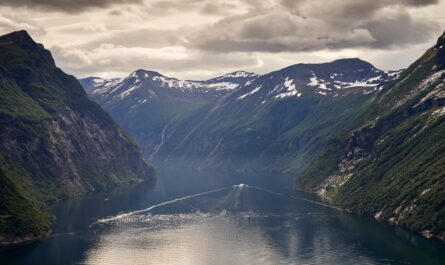
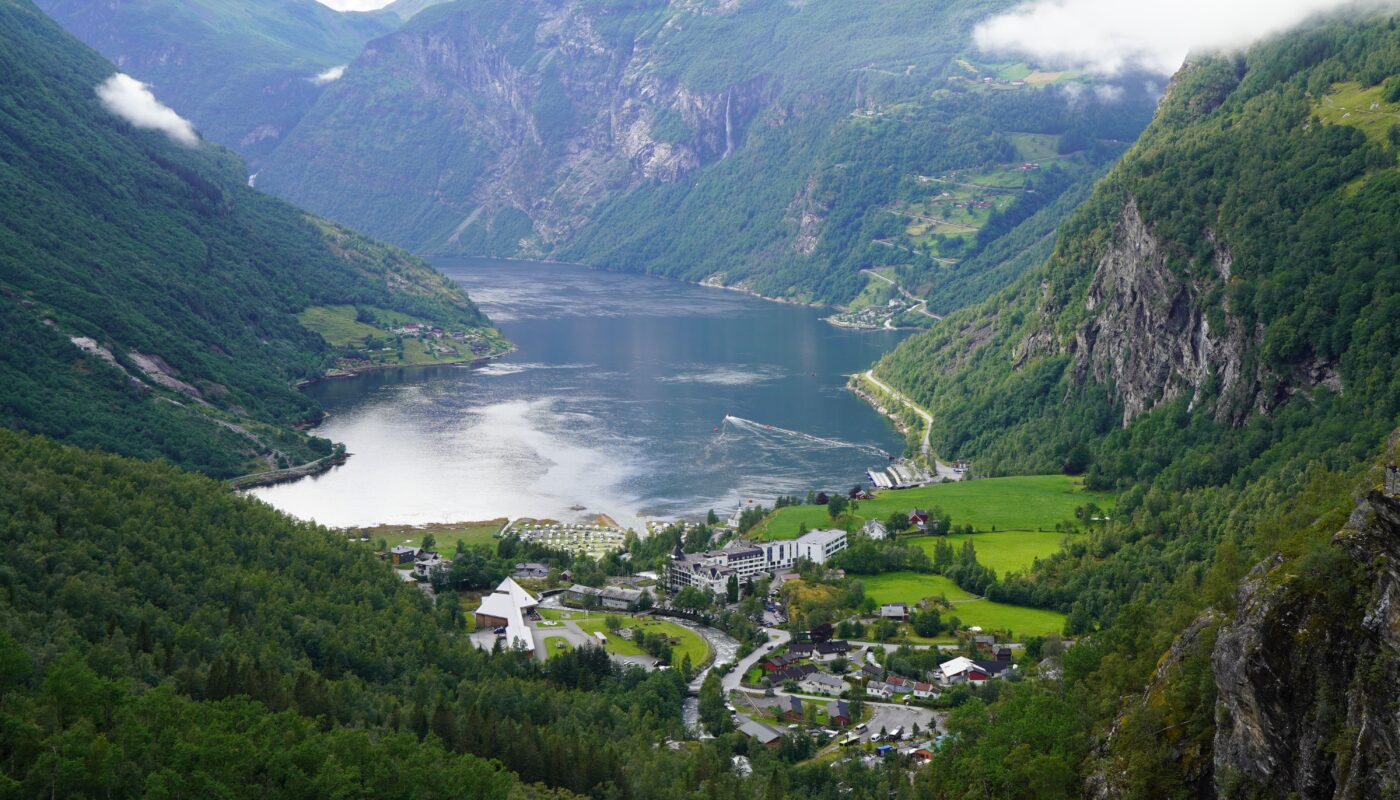
Massive cliffs rise dramatically from the water. Waterfalls tumble from great heights. Clouds drift between mountain peaks. The scale of the landscape often exceeds what travelers can easily comprehend.
When people stand before such immense natural features, everyday concerns temporarily fade into the background. Work deadlines, emails, traffic, and daily stress suddenly seem less important.
This shift in perspective can create feelings of peace and emotional relief. Travelers often report feeling both smaller and more connected at the same time—a paradox that is central to the experience of awe.
Silence Creates Space for Reflection
Modern life is rarely quiet.
Most people are surrounded by constant stimulation, including traffic, phones, televisions, advertisements, and social media notifications. Even during vacations, many destinations remain crowded and noisy.
Fjords offer something different.
Many fjord regions are remarkably quiet. Instead of urban noise, visitors hear:
- Gentle waves against the shore
- Distant waterfalls
- Wind moving through forests
- Birdsong
- Rain falling on rock surfaces
This natural soundscape creates a calming effect on the nervous system.
Silence allows the mind to slow down. Without constant distractions, travelers become more aware of their surroundings and their own thoughts. Many people find themselves reflecting on personal goals, relationships, memories, and future aspirations while spending time in fjord landscapes.
This reflective quality often contributes to the emotional depth of the experience.
Water Has a Natural Calming Effect
Humans have long been drawn to water.
Researchers studying environmental psychology have found that people generally feel calmer and happier when they are near oceans, lakes, rivers, or waterfalls. Some experts even refer to this phenomenon as the “blue mind” effect.
Fjords combine several soothing water elements in one setting.
The water is often:
- Calm and reflective
- Deep and mysterious
- Rich in color
- Constantly changing with light
- Protected from large ocean waves
Watching still water naturally encourages relaxation. The reflections created by fjords add another layer of visual harmony, with mountains, forests, and clouds mirrored on the surface.
Many travelers describe a sense of mental clarity while looking across a fjord. The expansive views create a feeling of openness that contrasts sharply with the confined environments many people experience in cities.
The Landscape Feels Timeless
One reason fjords evoke such powerful emotions is their ancient character.
These landscapes were carved by glaciers during ice ages that occurred long before modern civilization existed. The mountains, valleys, and waterways represent geological processes that unfolded over immense periods of time.
When standing beside a fjord, travelers are confronted with a scale of time that is difficult to comprehend.
The cliffs may be millions of years old.
The valleys were shaped over countless generations.
The landscape existed long before human history and will likely remain long after current civilizations have changed.
This awareness of deep time can be surprisingly comforting.
In a world that often feels fast-paced and temporary, fjords provide a sense of permanence and stability. They remind visitors that nature operates on a timeline far larger than human concerns.
Fjords Balance Power and Tranquility
Many natural landscapes are either dramatic or peaceful.
Fjords manage to be both.
The steep cliffs and immense mountains reveal the tremendous force of the glaciers that created them. Waterfalls crashing into the fjord demonstrate the ongoing power of natural processes.
Yet despite these signs of strength, fjords often feel extraordinarily calm.
The water remains still.
The atmosphere feels serene.
The scenery invites quiet observation.
This combination of power and tranquility creates a unique emotional experience. Travelers witness nature’s strength without feeling threatened by it.
Instead, they experience a sense of harmony between opposing forces—movement and stillness, grandeur and simplicity, energy and calm.
Natural Beauty Reduces Stress
Numerous scientific studies have shown that spending time in beautiful natural environments can reduce stress levels.
Exposure to nature has been linked to:
- Lower blood pressure
- Reduced anxiety
- Improved mood
- Enhanced creativity
- Better concentration
- Greater emotional resilience
Fjords provide an especially powerful version of this effect because they combine several highly attractive landscape features.
Visitors encounter:
- Mountains
- Forests
- Waterfalls
- Open water
- Wildlife
- Fresh air
The combination creates a sensory experience that feels both stimulating and restorative.
Unlike urban environments that constantly demand attention, fjords encourage a more relaxed form of observation. Travelers can simply sit, watch, and absorb the scenery without feeling pressured to do anything else.
Weather Adds Mystery and Emotion
Fjords rarely look the same from one hour to the next.
Changing weather conditions continuously transform the landscape.
Morning fog may drift across the water.
Afternoon sunlight can illuminate distant cliffs.
Rain showers create dramatic contrasts between light and shadow.
Evening skies often produce spectacular reflections.
These changes make fjords feel alive.
The constantly shifting scenery encourages travelers to remain present and attentive. Because conditions are always evolving, each moment feels unique.
This unpredictability contributes to the emotional richness of the experience. Visitors often feel as though they are witnessing something special that exists only in that particular moment.
The Sense of Escape Is Powerful
Many travelers visit fjords seeking an escape from modern life.
Unlike heavily developed tourist destinations, many fjord regions remain relatively untouched by large-scale urbanization.
The absence of skyscrapers, highways, and commercial distractions creates a feeling of separation from everyday routines.
This sense of escape can be deeply refreshing.
Travelers often report feeling liberated from:
- Work-related stress
- Constant connectivity
- Social pressures
- Information overload
In the presence of vast natural landscapes, priorities often become clearer. Many people discover that what seemed urgent at home feels less significant when viewed from a fjord overlooking mountains and open water.
Fjords Encourage Mindfulness
Mindfulness involves paying attention to the present moment without judgment.
Many people struggle to achieve this state in daily life because distractions constantly compete for attention.
Fjords naturally encourage mindful awareness.
Visitors find themselves noticing:
- The movement of clouds
- The texture of cliffs
- The sound of flowing water
- Changes in light
- The scent of fresh air
These observations draw attention away from worries about the past or future.
Instead of thinking about upcoming responsibilities or previous mistakes, travelers become immersed in what is happening right now.
This heightened awareness often contributes to feelings of peace and emotional balance.
Human Beings Are Drawn to Certain Landscapes
Evolutionary psychologists suggest that humans may have inherited preferences for particular types of environments.
Natural settings that provide water, shelter, visibility, and resources may have been advantageous for survival throughout human history.
Fjords combine many of these elements.
They offer:
- Freshwater sources
- Fertile valleys
- Elevated viewpoints
- Diverse ecosystems
- Access to marine resources
Although modern travelers are not consciously evaluating fjords for survival potential, these ancient preferences may still influence emotional responses.
The landscape simply feels right to many people on a deeply instinctive level.
Shared Experiences Become Meaningful Memories
Fjords are often experienced with loved ones.
Whether traveling with family, friends, or a partner, many visitors associate fjord landscapes with meaningful moments and conversations.
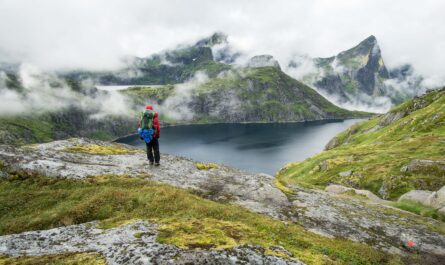
Watching a sunset over a fjord, hiking to a scenic overlook, or sharing a boat ride through dramatic scenery can strengthen personal connections.
The emotional impact of the landscape often amplifies these experiences.
Years later, travelers frequently remember not only what they saw but also how they felt and who they shared the experience with.
This emotional association contributes to the lasting appeal of fjord destinations.
Fjords Inspire Creativity and Imagination
Artists, writers, photographers, and musicians have long drawn inspiration from fjord landscapes.
The combination of dramatic scenery and peaceful atmosphere stimulates creative thinking.
Many visitors find themselves:
- Taking photographs
- Writing journals
- Sketching landscapes
- Reflecting on ideas
- Generating creative solutions
The mental space created by fjords allows thoughts to flow more freely.
For people accustomed to busy schedules and constant distractions, this creative freedom can feel both refreshing and emotionally rewarding.
Why Travelers Often Return
Unlike attractions that can be fully experienced in a single visit, fjords reveal different aspects of themselves over time.
Each season brings new colors, weather patterns, and moods.
A fjord visited in summer may feel entirely different during autumn, winter, or spring.
Even returning to the same viewpoint can produce a completely new experience depending on lighting and atmospheric conditions.
Because the landscape continually changes, travelers often feel drawn back to reconnect with the emotions they experienced during previous visits.
The destination becomes more than a place—it becomes a feeling.
Conclusion
Fjords are far more than beautiful geographical features. They are environments that engage the human mind and emotions in profound ways. Their immense scale inspires awe, their silence encourages reflection, and their calm waters create a sense of tranquility that many travelers struggle to find elsewhere.
These remarkable landscapes combine ancient geological history with living natural beauty. They offer an escape from modern distractions while providing opportunities for mindfulness, creativity, and personal reflection. The balance of power and peace found within fjords creates an emotional experience that remains with visitors long after they return home.
In an increasingly fast-paced and connected world, fjords remind us of the value of stillness, perspective, and connection with nature. That is why so many travelers leave these extraordinary places not only impressed by what they have seen but deeply moved by what they have felt.